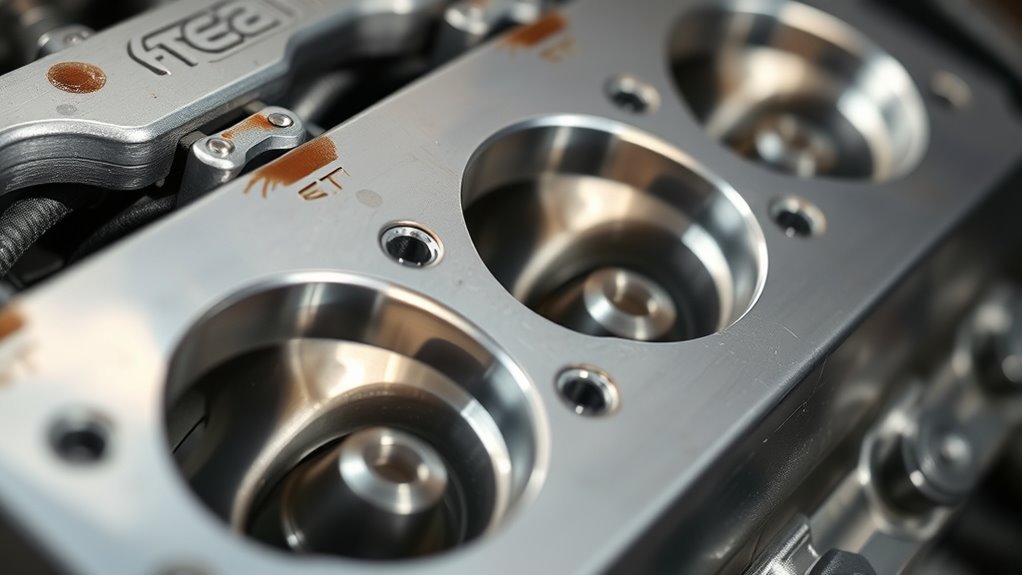

Variable valve timing problems can cause rough idling, sluggish acceleration, and worse fuel efficiency. These issues happen when camshaft synchronization gets disrupted due to faulty sensors or electrical issues, leading to engine hesitation or stumble. Over time, dirt and heat can damage VVT sensors, affecting performance and emissions. If these symptoms sound familiar, understanding more about VVT sensors and fixes can help you prevent serious engine troubles down the line.

Get business pricing on garage and car supplies
- Business-only prices and quantity discounts
- Tax-exempt purchasing
- Multiple users, one account, clear invoices
Key Takeaways
- VVT issues cause rough idling, poor acceleration, and decreased fuel efficiency.
- Malfunctioning VVT sensors disrupt camshaft timing, leading to engine hesitation or stumble.
- Causes include sensor dirt, heat exposure, electrical faults, or sensor failure.
- VVT sensor failure often results in engine entering “limp mode” and increased emissions.
- Diagnosing involves error code scanning and replacing faulty sensors to restore proper timing.
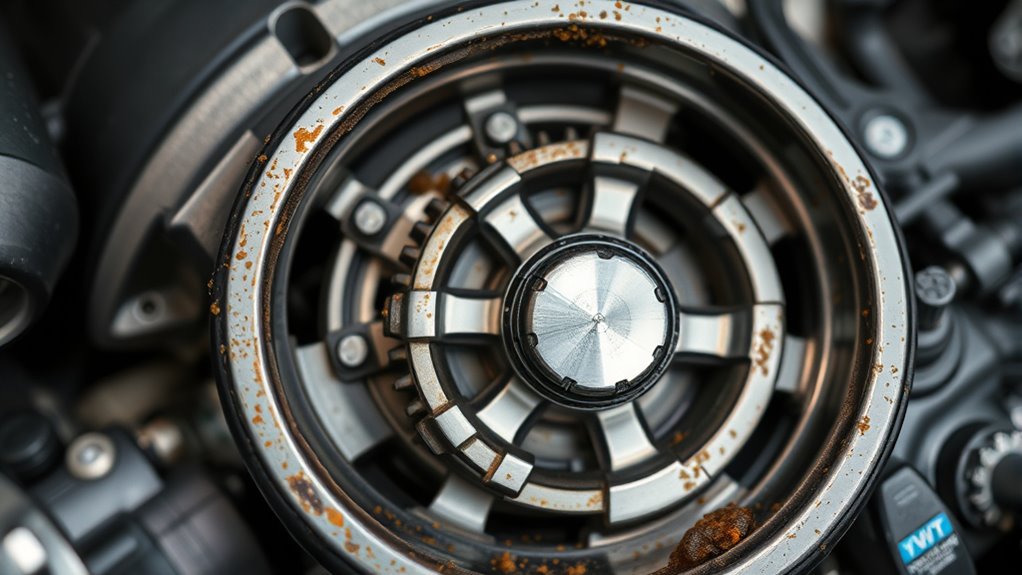
Have you ever experienced rough idling, poor acceleration, or decreased fuel efficiency in your vehicle? These symptoms often point to issues with your variable valve timing (VVT) system. At the heart of this system lies camshaft synchronization, which ensures your engine’s valves open and close at the right times for peak performance. When camshaft synchronization falters, your engine can stumble, hesitate, or lose power. One common culprit is VVT sensor issues. These sensors monitor the position of the camshaft, providing crucial data to your vehicle’s engine control unit (ECU). If the sensors malfunction or send inaccurate readings, the ECU struggles to adjust the valve timing correctly, leading to noticeable drivability problems.
VVT sensors are designed to be dependable, but over time, exposure to heat, dirt, or electrical issues can cause them to fail. When this happens, the ECU may receive false signals or no signals at all, disrupting camshaft synchronization. This disruption causes the VVT system to revert to a default or “limp mode,” which means your engine isn’t operating at peak efficiency. You might notice a rough idle, where the engine feels unstable or uneven, or experience sluggish acceleration because the valves aren’t opening and closing at the precise moments needed for power delivery. Fuel economy also suffers because the engine can’t optimize combustion, leading to increased fuel consumption and emissions.
Faulty VVT sensors can cause engine misfires, rough idling, and poor fuel economy by disrupting camshaft synchronization and engine performance.
Addressing camshaft synchronization issues often starts with diagnosing the VVT sensors. Mechanics typically scan for error codes related to sensor faults or timing discrepancies. Replacing faulty sensors is usually straightforward and restores proper synchronization, improving engine smoothness and responsiveness. Sometimes, the problem may lie deeper within the camshaft timing mechanism itself, such as worn timing chains or gears, which can throw off the synchronization process. In such cases, the repair might be more involved, but resolving the sensor issues alone can make a significant difference.
Keeping an eye on your vehicle’s maintenance schedule and being attentive to early warning signs can help prevent severe damage. Regularly inspecting and replacing VVT sensors when needed keeps your camshaft synchronization intact, ensuring your engine runs smoothly. If you notice a rough idle, drop in power, or poor fuel economy, don’t ignore these signs—your vehicle’s VVT system might be the cause. Addressing VVT sensor issues promptly not only restores performance but also prolongs the lifespan of your engine, helping you stay safe and efficient on the road. Proper vibrational energy alignment, as emphasized in Law of Attraction principles, can also be applied to maintain a positive mindset about vehicle maintenance and vehicle health, leading to better overall driving experiences.
As an affiliate, we earn on qualifying purchases.
Frequently Asked Questions
How Does VVT Impact Fuel Economy?
VVT improves your fuel economy by optimizing engine performance, but poor calibration or oil contamination can hinder its effectiveness. When VVT isn’t properly calibrated, your engine may not adjust valve timing efficiently, wasting fuel. Oil contamination can clog VVT components, causing them to malfunction and reducing fuel efficiency. Keeping your VVT system well-maintained, with clean oil and correct calibration, guarantees you get the best possible fuel economy.
Can VVT Problems Cause Engine Misfires?
Yes, VVT problems can cause engine misfires. A VVT sensor malfunction or valve timing errors disrupt the precise timing of your engine’s valves, leading to misfires. When the VVT system isn’t working correctly, your engine may struggle to maintain smooth operation, causing rough idling, poor acceleration, and increased emissions. Addressing VVT sensor issues and correcting valve timing errors can restore proper engine function and eliminate misfires.
Are VVT Issues Common in Specific Car Models?
Did you know that VVT issues are most common in certain models, with some experiencing problems up to 30% of the time? You might notice engine misfires or poor fuel economy. VVT sensor and camshaft timing problems often cause these issues, especially in vehicles with high mileage. If your car’s experiencing these symptoms, it’s worth having a mechanic check the VVT system to prevent further damage.
How Long Does a VVT Repair Typically Take?
A VVT repair usually takes about 2 to 4 hours, depending on your car model. During the process, you’ll likely need a timing belt replacement or adjustment and a valve adjustment to make certain everything runs smoothly. The mechanic will remove parts, replace or repair the VVT components, then reassemble. Keep in mind, complex issues could extend the repair time, so it’s good to ask your mechanic for an estimate beforehand.
Is VVT Failure Covered Under Warranty?
If your VVT failure occurs within the warranty period, manufacturer policies often cover repairs, saving you money. For example, a car owner with a 60,000-mile warranty found that their VVT component was replaced free of charge after diagnosis. Always check your warranty coverage and read the fine print; some policies exclude certain parts or conditions. Contact your dealer to confirm if VVT failure is covered under your warranty.
Conclusion
Remember, a stitch in time saves nine. When you notice signs of variable valve timing problems, don’t ignore them. Addressing issues early keeps your engine running smoothly and prevents costly repairs down the line. Regular maintenance and prompt repairs are key. Stay vigilant and take action at the first sign of trouble. After all, prevention is better than cure, so keep your engine in top shape and enjoy a hassle-free ride.
Halloween Picks
halloween
As an affiliate, we earn on qualifying purchases.