
If you’re experiencing engine misfires, rough running, starting issues, or poor acceleration, your camshaft position sensor might be at fault. Damaged wiring, dirt, heat, or sensor calibration loss can send incorrect signals to your ECU, causing drivability problems. Inspect the wiring for damage or corrosion and test the sensor with a multimeter. Replacing or recalibrating the sensor usually restores proper engine timing. Keep exploring to learn how to properly troubleshoot and fix these common issues.

Get business pricing on garage and car supplies
- Business-only prices and quantity discounts
- Tax-exempt purchasing
- Multiple users, one account, clear invoices
Key Takeaways
- Malfunctioning camshaft sensors cause rough engine running, stalling, difficulty starting, and misfires.
- Calibration loss occurs from heat, dirt, and vibration, leading to incorrect signals and engine timing issues.
- Faulty calibration results in poor performance, misfires, or even a no-start condition.
- Wiring problems like damaged, corroded, or loose connections can disrupt sensor signals.
- Troubleshooting involves visual wiring inspection, multimeter testing, and replacing or recalibrating the sensor as needed.
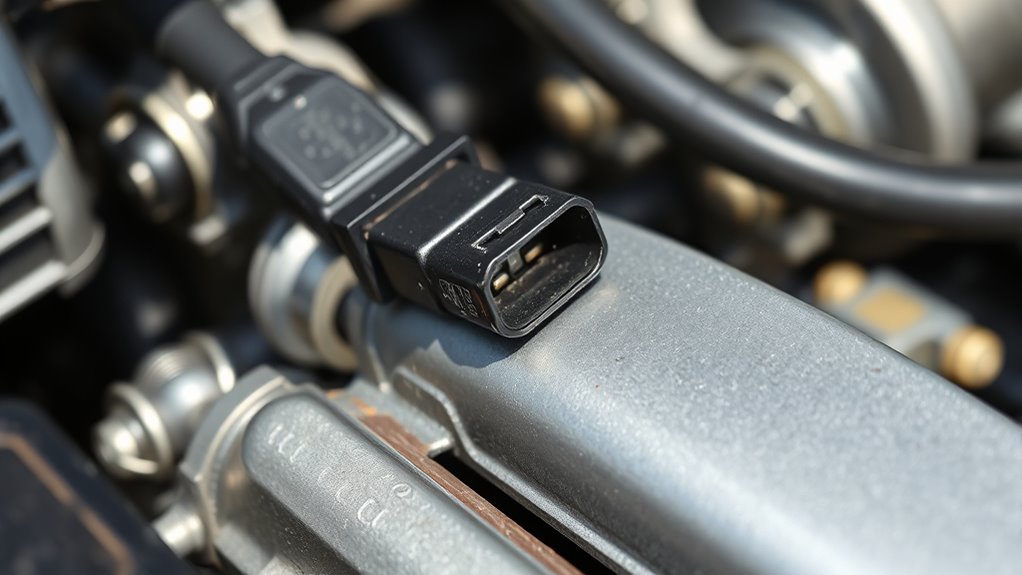
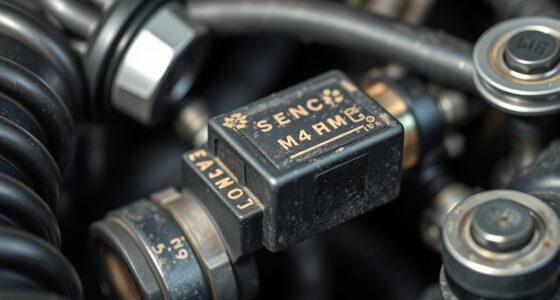
If your engine is running rough, stalling, or experiencing difficulty starting, the camshaft position sensor could be the culprit. This small but essential component helps your engine’s computer determine the precise position of the camshaft, which is critical for timing fuel injection and ignition. When it malfunctions, your engine’s performance can suffer considerably, making it important to understand the common issues that affect this sensor.
One of the primary problems stems from sensor calibration. Over time, exposure to heat, dirt, and vibrations can cause the sensor to lose its proper calibration. When this happens, the sensor may send incorrect signals to the engine control unit (ECU), leading to misfires, poor acceleration, or even a no-start condition. Proper calibration ensures the sensor’s readings are accurate; if calibration drifts, it can be challenging for your engine to run smoothly. Fortunately, some vehicles allow for sensor calibration adjustments via the ECU or specialized diagnostic tools. If your vehicle’s sensor isn’t calibrated correctly, replacing or recalibrating it can restore proper engine timing.
Sensor calibration loss causes misfires and poor performance; recalibrate or replace to restore proper engine timing.
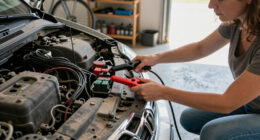
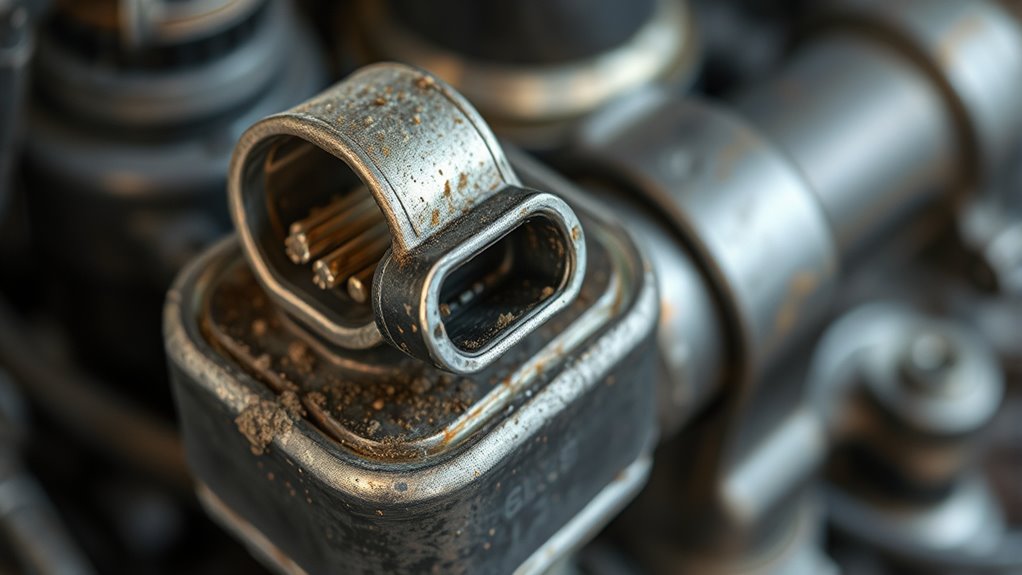
Wiring issues are another common cause of camshaft position sensor problems. The sensor relies on a stable electrical connection to transmit signals to the ECU. Over time, wiring may become damaged due to heat, corrosion, or physical wear. Frayed wires, loose connectors, or corroded terminals can cause signal interruptions or false readings. These wiring issues may be subtle at first, but they often manifest as engine hesitation, fluctuating RPMs, or engine stalls. To diagnose wiring problems, you should inspect the sensor’s wiring harness carefully. Look for any visible damage, corrosion, or loose connections. Using a multimeter to check for continuity and proper voltage can help identify faults in the wiring.
Addressing wiring issues often involves repairing or replacing damaged wires and ensuring all connectors are secure. In some cases, the sensor itself might be faulty, but wiring problems are a common culprit that is easier and less costly to fix. When troubleshooting, always start with a visual inspection of the wiring harness before moving on to more complex diagnostics. Proper sensor calibration and intact wiring are essential for accurate readings, which in turn keep your engine running efficiently.
camshaft position sensor replacement
As an affiliate, we earn on qualifying purchases.
As an affiliate, we earn on qualifying purchases.
Frequently Asked Questions
How Long Does a Camshaft Position Sensor Typically Last?
A camshaft position sensor typically lasts between 60,000 to 100,000 miles, depending on your driving habits and vehicle conditions. You might need a replacement sooner if you notice engine misfires, rough idling, or poor acceleration. While there aren’t strict replacement intervals, it’s a good idea to have it checked during regular maintenance to guarantee peak performance and avoid unexpected breakdowns. Proper care can extend your sensor’s lifespan considerably.
Can I Drive With a Faulty Camshaft Sensor?
Driving with a faulty camshaft sensor is like sailing without a compass—you might get by temporarily, but it’s risky. You should avoid driving until you perform sensor maintenance and use diagnostic tools to identify the issue. A malfunctioning sensor can cause poor engine performance, stalling, or increased emissions. It’s best to address the problem promptly, ensuring your vehicle runs smoothly and avoiding costly repairs down the road.
What Are the Symptoms of Intermittent Sensor Failure?
You might notice your engine misfiring, stalling, or experiencing rough idling with intermittent sensor failure. Your vehicle could also have difficulty starting or show poor acceleration. These issues often relate to faulty sensor wiring or a failing camshaft position sensor. Using diagnostic tools helps identify these problems early, ensuring you catch the issue before it worsens. Keep an eye on these symptoms to maintain ideal engine performance.
Is Replacing a Camshaft Sensor Expensive?
A stitch in time saves nine, and replacing a camshaft sensor isn’t overly expensive. The cost comparison varies depending on your vehicle and labor rates, but generally, it’s a moderate fix. Repair alternatives, like cleaning or wiring checks, might save money if the sensor isn’t faulty. However, replacing it guarantees reliability, preventing further engine issues. You’ll want to weigh these options based on your car’s specific needs and budget.
How Do I Diagnose a Camshaft Position Sensor Problem?
To diagnose a camshaft position sensor problem, start with sensor testing using a multimeter to check for correct voltage and resistance. Next, inspect the wiring for damage, corrosion, or loose connections, as faulty wiring can cause inaccurate readings. If the sensor still doesn’t function properly after these checks, you might need to replace it. Regular testing and wiring inspection help identify issues early and keep your engine running smoothly.
Conclusion
In the end, a little attention to your camshaft position sensor can keep your engine running smoothly and your drives enjoyable. Sometimes, a gentle nudge or a quick check can prevent small hiccups from turning into bigger issues. By staying mindful of these signs, you’ll help your vehicle stay happy and healthy on every journey. After all, a well-maintained engine easily whispers its gratitude with seamless performance and a whisper of reliability.
Halloween Picks
halloween
As an affiliate, we earn on qualifying purchases.