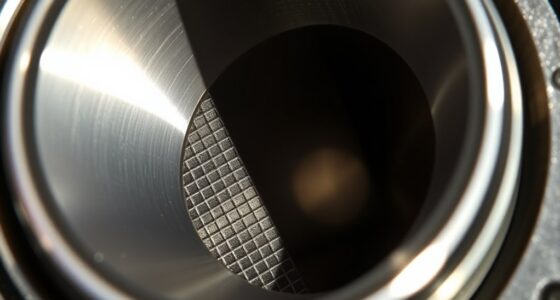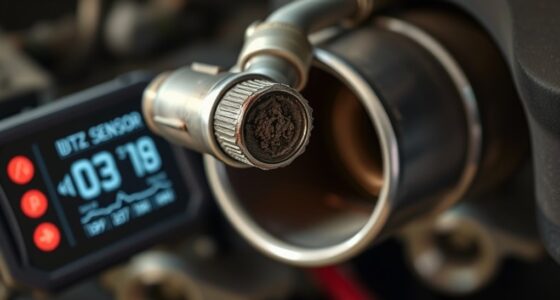

When the PCV system fails, you might notice pressure buildup inside your engine, leading to oil vapors that contaminate your oil and reduce lubrication. A clogged or stuck valve disrupts gas flow, causing rough idling, increased emissions, and decreased fuel economy. Over time, this can result in sludge formation, engine wear, and costly repairs. Staying aware of these issues helps you catch problems early—if you want to understand how to prevent or fix them, keep exploring.
Key Takeaways
- PCV system failure occurs when the valve becomes clogged or stuck, disrupting gas flow regulation.
- Malfunctioning PCV valves cause pressure buildup in the crankcase, leading to oil vaporization and contamination.
- Oil vaporization from PCV failure reduces lubrication, accelerates engine wear, and promotes sludge formation.
- A faulty PCV system can cause rough idling, misfires, increased emissions, and poor fuel economy.
- Ignoring PCV failures increases engine wear, repair costs, and risks complete engine failure over time.
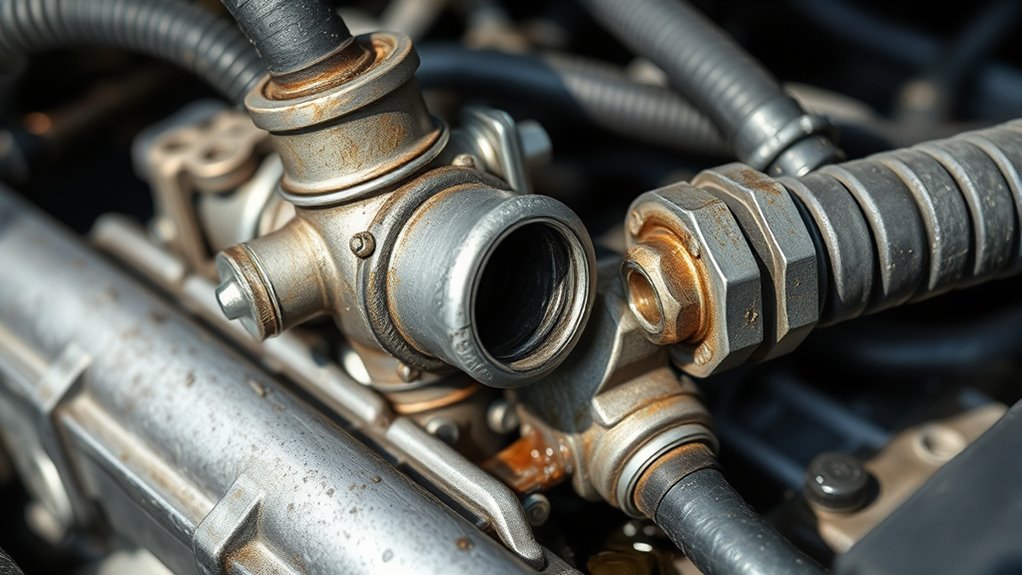
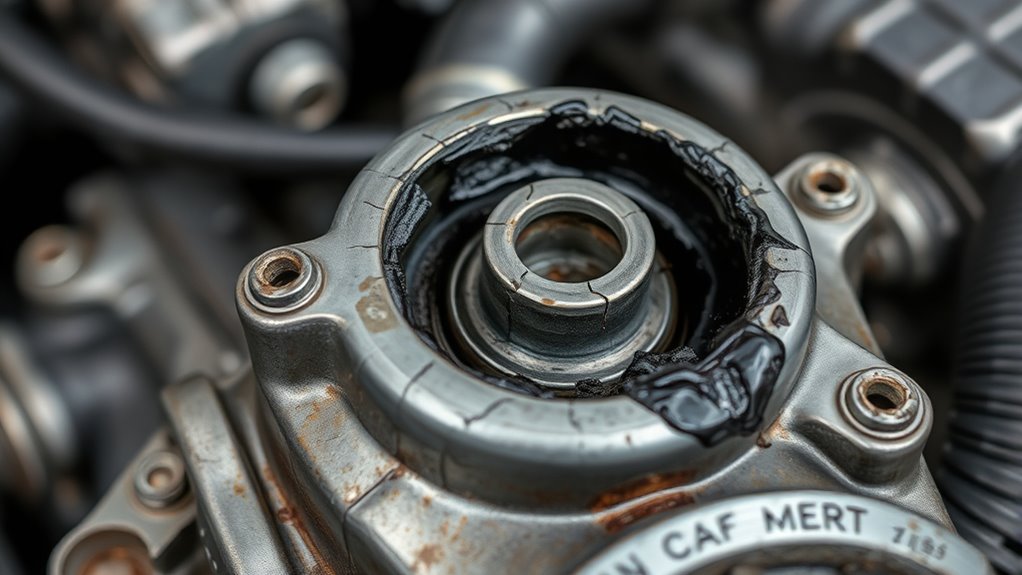
Have you ever wondered what happens when your vehicle’s Positive Crankcase Ventilation (PCV) system fails? When this essential component malfunctions, it can lead to a cascade of engine problems, starting with valve malfunction. The PCV valve plays a critical role in regulating the flow of gases from the crankcase back into the intake manifold for combustion. If the valve gets stuck or fails to operate correctly, it disrupts this flow, causing pressure buildup inside the engine. This pressure can force oil vapors and fumes into areas they shouldn’t be, leading to oil vaporization. Instead of safely venting these gases, a malfunctioning valve traps them, which can increase crankcase pressure and cause oil to break down prematurely.
Oil vaporization occurs when the oil in your engine begins to break apart due to excessive heat and pressure. Normally, the PCV system helps remove these vapors, preventing them from accumulating and contaminating the engine oil. But if the valve malfunctions, these vapors remain trapped, leading to increased oil contamination. Over time, this contamination reduces the oil’s lubricating properties, resulting in increased engine wear and potential damage. You might notice symptoms like increased oil consumption, engine roughness, or even fouled spark plugs. The oil vaporized from the crankcase can also create sludge, which clogs essential engine parts and accelerates wear.
A failing PCV valve that causes oil vaporization can also lead to more serious issues, such as valve misfires or rough idling. When oil vapors build up in the intake manifold due to valve malfunction, they can disturb the air-fuel mixture, making combustion less efficient. This imbalance can reduce engine power, increase emissions, and lead to poor fuel economy. Moreover, the trapped vapors contribute to carbon buildup on engine components, which complicates maintenance and can cause long-term performance issues. If you ignore these signs, your engine might suffer from increased wear, higher repair costs, or even complete failure.
Frequently Asked Questions
How Can I Prevent PCV System Failures?
To prevent PCV system failures, you should regularly check and replace the valve and hoses, ensuring they’re clean and free of cracks. Maintaining proper oil consumption helps keep the system functioning smoothly, reducing buildup that can cause blockages. Additionally, following your vehicle’s emission control maintenance schedule prevents issues caused by excess emissions. Regular inspections and timely repairs keep the PCV system working efficiently, avoiding costly failures and ensuring ideal engine performance.
What Are the Signs of a Failing PCV Valve?
You notice oil leaks around the valve cover and your engine idles roughly, signaling trouble. A failing PCV valve often causes these issues, along with increased oil consumption and strange engine noises. The suspense builds as your engine struggles to run smoothly, warning you that the PCV valve might be stuck open or clogged. Addressing these signs promptly can prevent more serious damage and keep your engine running efficiently.
Does Vehicle Age Affect PCV System Longevity?
Yes, vehicle age directly impacts PCV system longevity because older vehicles often experience component degradation. As your vehicle ages, parts like the PCV valve and hoses wear out, increasing the risk of failure. Regular maintenance becomes essential to catch signs of wear early. By replacing worn components and following your manufacturer’s schedule, you can extend the life of your PCV system and prevent more serious engine issues down the line.
Can a Faulty PCV System Cause Engine Damage?
A faulty PCV system can definitely cause engine damage. When it malfunctions, it leads to increased oil consumption and poor emission control, which can result in sludge buildup, valve damage, and even piston issues. You might notice smoke, rough running, or a drop in performance. Addressing PCV problems promptly helps prevent costly repairs, keeps emissions in check, and maintains your engine’s health and efficiency.
How Often Should I Inspect My PCV System?
Think of your PCV system as a revitalizing gust for your engine; you’ll want to check it regularly. You should inspect it every 30,000 miles or once a year, whichever comes first. During inspection, look for leaks, oil vapor buildup, or cracks. Keeping an eye on crankcase pressure and ensuring the system’s clear helps prevent engine damage and keeps your vehicle running smoothly.
Conclusion
To prevent PCV system failures, stay alert, stay proactive, and stay informed. Regular inspections help catch issues early, regular maintenance keeps your engine running smoothly, and timely repairs prevent costly damage. Don’t ignore warning signs, don’t delay repairs, and don’t underestimate the importance of a well-functioning PCV system. By staying vigilant, practicing preventive care, and addressing problems promptly, you guarantee your engine runs efficiently, reliably, and for years to come.