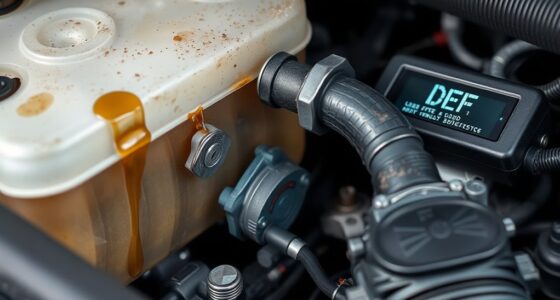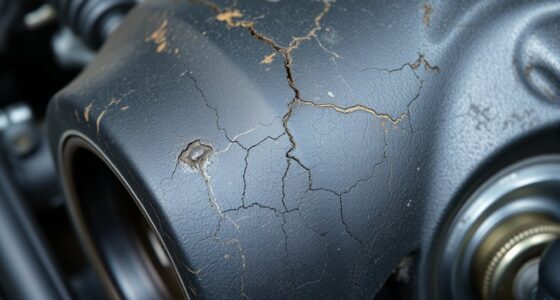

Timing chain rattle usually happens because the tensioners or guides wear out or fail, which causes slack in the chain. This allows the chain to slap against the cover or other components, creating a metallic noise. The rattle is often worse during cold starts and may persist if the tensioner isn’t working properly. Continuing to ignore these signs can lead to serious engine damage, so understanding these causes can help you identify the issues early.

Get business pricing on garage and car supplies
- Business-only prices and quantity discounts
- Tax-exempt purchasing
- Multiple users, one account, clear invoices
Key Takeaways
- Worn or failing timing chain tensioners lose their ability to keep the chain tight.
- Engine noise that increases with speed and persists after warm-up indicates a loose or slapping chain.
- Cold starts often produce rattling due to low oil viscosity affecting tensioner engagement.
- Ignoring the rattle can cause chain slippage, engine timing issues, and potential severe engine damage.
- Prompt inspection and replacement of worn tensioners restore proper tension and prevent further damage.
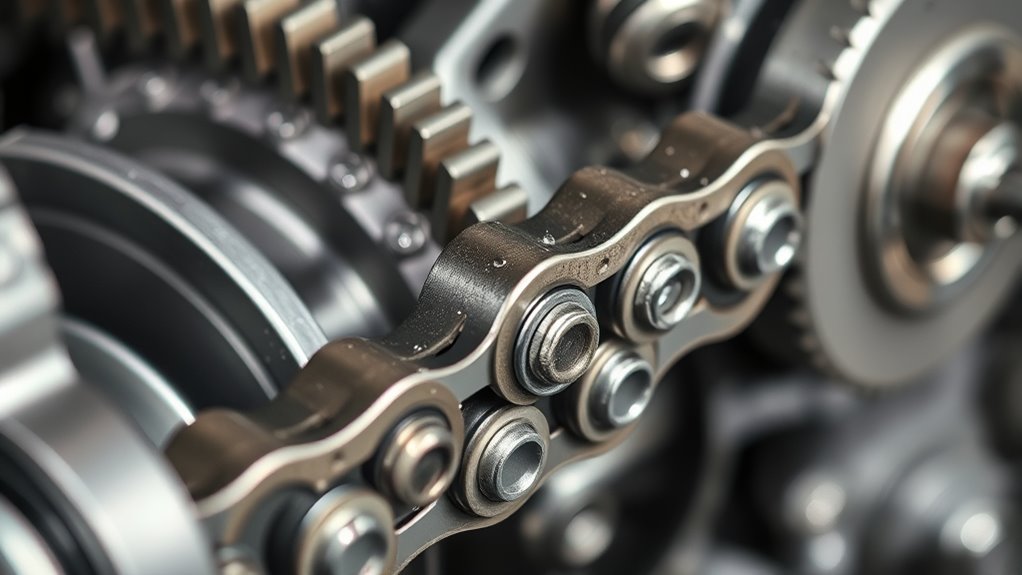
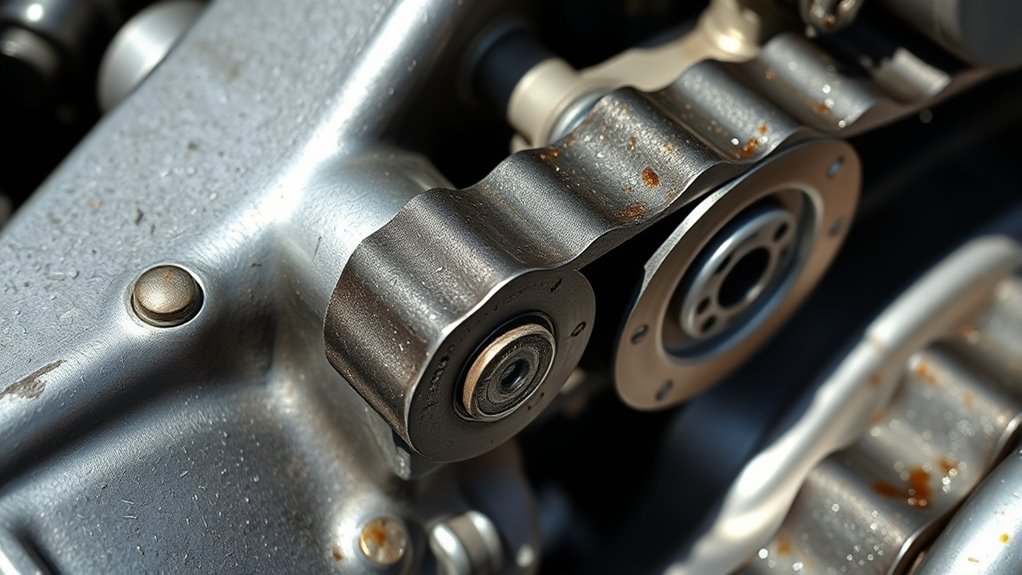
A timing chain rattle can be a warning sign that something isn’t right with your engine’s timing system. When you hear this noise, it’s essential to pay attention because it often indicates that the timing chain or its components are not functioning properly. One of the most common culprits behind a rattle is worn or failing timing chain tensioners. These tensioners are designed to keep the chain tight and in proper alignment. Over time, they can lose their ability to maintain the correct tension, especially if the internal springs weaken or the hydraulic mechanisms lose pressure. When tensioners fail, the chain can become loose, leading to that distinctive rattling sound during startup or acceleration.
Proper engine noise diagnostics can help you determine whether the issue stems from the tensioners or another part of the timing system. If the tensioners are worn, you might notice the rattle increases with engine speed or persists even after the engine warms up. Sometimes, a loose chain can slap against the timing cover or other engine components, producing a loud, metallic noise. It’s important to remember that this noise isn’t just an annoyance; it could signal more serious damage if left unaddressed. A loose or skipped chain can throw off the engine’s timing, resulting in poor performance, misfires, or even severe engine damage.
Engine noise that worsens with speed may indicate tensioner wear or a loose timing chain.
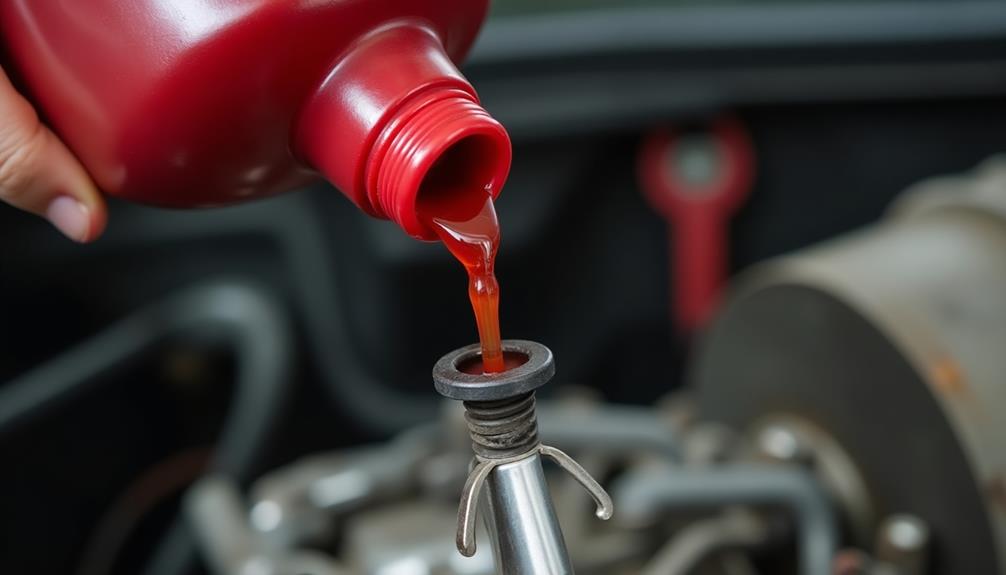
You might also observe that the rattle occurs during cold starts, when the engine oil is less viscous and doesn’t provide sufficient hydraulic pressure to keep the tensioners properly engaged. As the engine warms up and oil flows more freely, the noise may diminish. However, if the tensioners are severely worn, the rattling will persist regardless of engine temperature. Diagnosing these issues involves listening carefully to engine noise and inspecting the timing chain and tensioners. Mechanics often perform visual checks or use specialized tools during engine noise diagnostics to pinpoint the source of the rattle.
If you suspect your timing chain tensioners are failing, it’s best to get your vehicle checked promptly. Ignoring the noise can lead to increased wear on the chain, guides, or sprockets, and ultimately cause the chain to slip or break. Replacing worn tensioners and ensuring proper chain tension can restore smooth engine operation and prevent costly repairs down the line. Remember, hearing a rattle isn’t normal, and early diagnosis saves you time, money, and potential engine damage.
timing chain tensioner replacement kit
As an affiliate, we earn on qualifying purchases.
As an affiliate, we earn on qualifying purchases.
Frequently Asked Questions
How Long Can I Drive With a Rattling Timing Chain?
You shouldn’t drive long with a rattling timing chain, as it indicates potential wear that can damage your engine. The lifespan of a timing chain varies, but ongoing rattling noise frequency suggests it’s approaching failure. Ignoring the noise risks severe engine damage, so you should have a mechanic inspect it promptly. Driving even a short distance could lead to costly repairs if the chain breaks or slips.
Can a Timing Chain Rattle Cause Engine Failure?
A timing chain rattle is like a warning bell; it can indeed lead to engine failure if ignored. The risk increases when chain tensioning becomes inadequate, causing the chain to slip or break. This can result in severe engine damage, as pistons and valves collide. To avoid this, address the rattle promptly by inspecting and replacing the chain if necessary, ensuring your engine stays healthy and reliable.
Is Timing Chain Rattle More Noticeable in Certain Temperatures?
Timing chain rattle can be more noticeable in certain temperatures due to temperature sensitivity and thermal expansion. When it’s cold, metal parts contract, making the chain slacken and rattle more loudly. Conversely, in warmer weather, thermal expansion tightens the chain, reducing noise. You might notice the rattle more on cold mornings or in winter, so pay attention to how temperature changes affect your engine’s noise levels.
What Are the Cost Options for Repairing a Timing Chain?
You’ll find that repair options for a timing chain vary, with cost estimates depending on your vehicle’s make and model. You might choose a simple tensioner replacement or opt for a complete timing chain kit, which is more expensive but offers longer-term reliability. Labor costs also influence the total price. It’s best to get a professional diagnosis to understand your options and budget accordingly.
How Often Should I Check My Timing Chain for Wear?
Think of your timing chain like a trusted compass guiding your engine’s journey. You should check your timing chain for wear every 30,000 to 50,000 miles, using timing chain inspection and wear indicators. Regular inspections help catch signs of stretching or damage early, preventing costly repairs. If you notice any unusual noises or rough idling, it’s time for an inspection sooner. Staying vigilant keeps your engine running smoothly.
Conclusion
Understanding the causes of timing chain rattle helps you catch issues early before they turn into costly repairs. Whether it’s a worn chain, loose tensioner, or oil problems, addressing these signs promptly can save you from bigger headaches down the road. Remember, it’s better to nip problems in the bud than let them fester. Stay vigilant with your vehicle’s maintenance, and you’ll keep things running smoothly—don’t let small issues snowball into larger troubles.
Fall Picks
fall essentials
As an affiliate, we earn on qualifying purchases.