
TL;DR

Get business pricing on garage and car supplies
- Business-only prices and quantity discounts
- Tax-exempt purchasing
- Multiple users, one account, clear invoices
Nissan has announced it will no longer use piano black plastic and chrome finishes in its vehicles due to widespread consumer dissatisfaction with fingerprints and smudges. The move reflects a broader trend toward more practical interior materials.
Nissan has confirmed it will stop using piano black plastic and chrome finishes in its vehicle interiors amid growing consumer complaints about fingerprints and smudges. This shift in design approach reflects a response to customer feedback and a broader industry trend toward more practical, low-maintenance interior materials. The decision is significant as it signals a move away from traditional aesthetic choices that have long been popular in automotive design.
According to sources familiar with Nissan’s internal design discussions, the automaker plans to phase out the use of high-gloss piano black plastic and chrome accents in favor of matte, textured, or more durable finishes. This change is driven by consumer feedback, with many drivers expressing frustration over fingerprints and smudges that are difficult to clean and detract from the vehicle’s appearance. The trend has gained momentum as other manufacturers have also begun to reconsider the practicality of shiny, reflective surfaces in car interiors.
While Nissan has not issued an official statement detailing the scope or timeline of this change, industry insiders suggest it will be implemented across multiple models in the upcoming model year. The move is part of a broader effort to improve customer satisfaction and reduce maintenance issues associated with interior materials. The shift also aligns with a growing consumer preference for interiors that require less frequent cleaning and look better over time.
Experts note that the move away from piano black and chrome is not unique to Nissan. Several other automakers have faced similar feedback, leading to a re-evaluation of interior design choices. The trend toward matte and textured finishes is seen as a way to enhance durability and maintain aesthetic appeal without the drawbacks of high-gloss surfaces.
Impact of Material Changes on Nissan’s Brand and Customer Satisfaction
This change is significant because it reflects a shift in automotive interior design priorities, emphasizing practicality over traditional aesthetics. For Nissan, it could improve customer satisfaction by reducing complaints related to interior maintenance and appearance. The move may also influence other automakers to reconsider their material choices, potentially leading to industry-wide changes in interior design standards. Ultimately, this decision underscores a broader industry trend toward user-friendly, low-maintenance vehicle interiors that meet evolving consumer expectations.
Products Worth Considering

Chemical Guys 17-Piece Car Detailing Kit for Interior, Exterior, and Wheels

Chemical Guys 10-Piece Car Wash Kit with Foam Gun

Chemical Guys 14-Piece Arsenal Builder Car Wash Kit with Foam Blaster
As an affiliate, we earn on qualifying purchases.
Historical Use of Piano Black and Chrome in Car Interiors
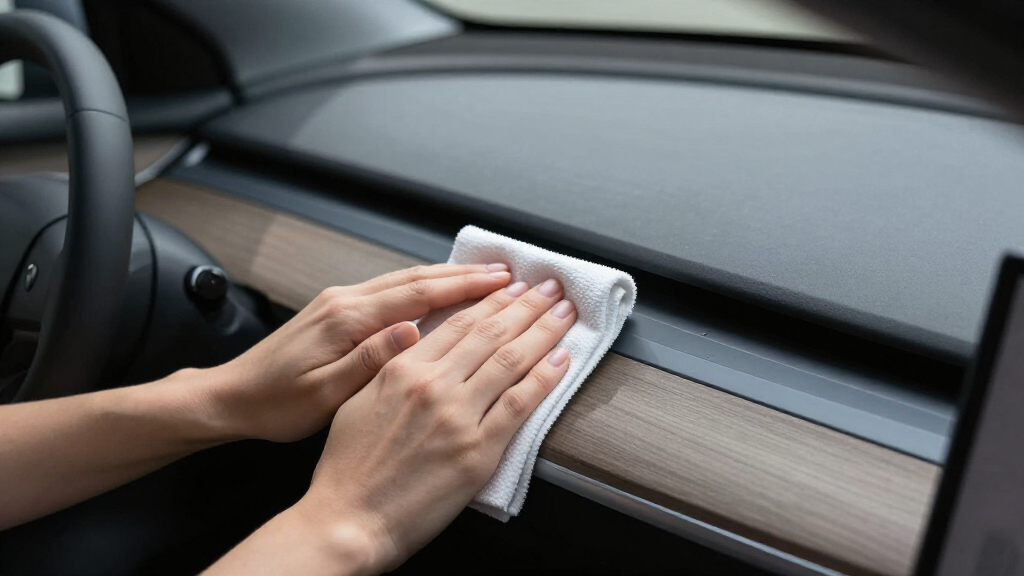
For decades, piano black plastic and chrome accents have been staples in automotive interior design, valued for their luxurious appearance and perceived sophistication. These materials often featured in high-end trims and premium models, symbolizing elegance and modernity. However, their high-gloss surfaces are prone to showing fingerprints, smudges, and scratches, which can diminish their visual appeal over time.
In recent years, consumer feedback has increasingly highlighted dissatisfaction with these finishes, citing maintenance issues and aesthetic degradation. Automakers have responded in various ways, with some introducing matte or textured alternatives. The trend toward more practical interior materials has gained traction, especially as consumers prioritize durability and ease of cleaning.
Nissan’s decision to phase out these finishes aligns with this evolving landscape, marking a notable shift in the industry’s approach to interior aesthetics and functionality.
Details of Nissan’s Material Transition and Timeline Unclear
It is not yet confirmed exactly when Nissan will complete the transition away from piano black and chrome finishes or which specific models will be affected first. Nissan has not issued an official timeline or detailed plan, and industry insiders suggest the change is still in the planning or early implementation stage. Further statements from Nissan are awaited to clarify these points.
Expected Implementation and Industry Impact of Material Changes
Nissan is likely to announce specific model updates and timelines in the coming months, with gradual rollout across its lineup. The shift could prompt other automakers to accelerate their own interior material revisions, potentially leading to a broader industry move toward matte, textured, or more durable finishes. Consumer feedback and sales data will influence how quickly and extensively these changes are adopted.
Key Questions
Why is Nissan moving away from piano black and chrome finishes?
Nissan is responding to consumer complaints about fingerprints, smudges, and maintenance issues associated with high-gloss finishes, aiming to improve interior durability and appearance.
Will this change affect all Nissan models?
It is not yet confirmed whether all models will be affected or if the change will be phased in gradually across specific lines. Details are still emerging.
Are other automakers making similar changes?
Yes, several manufacturers have begun to reconsider the use of shiny, reflective interior materials in response to consumer feedback about practicality and maintenance.
When will we see these new interior finishes in Nissan vehicles?
Specific timelines have not been announced, but industry insiders suggest the transition could start within the next model year, with gradual implementation.
Does this mean Nissan interiors will look less luxurious?
Not necessarily. The industry trend favors matte and textured finishes that can offer a modern, upscale look while being more practical and less prone to fingerprints.
Source: rss