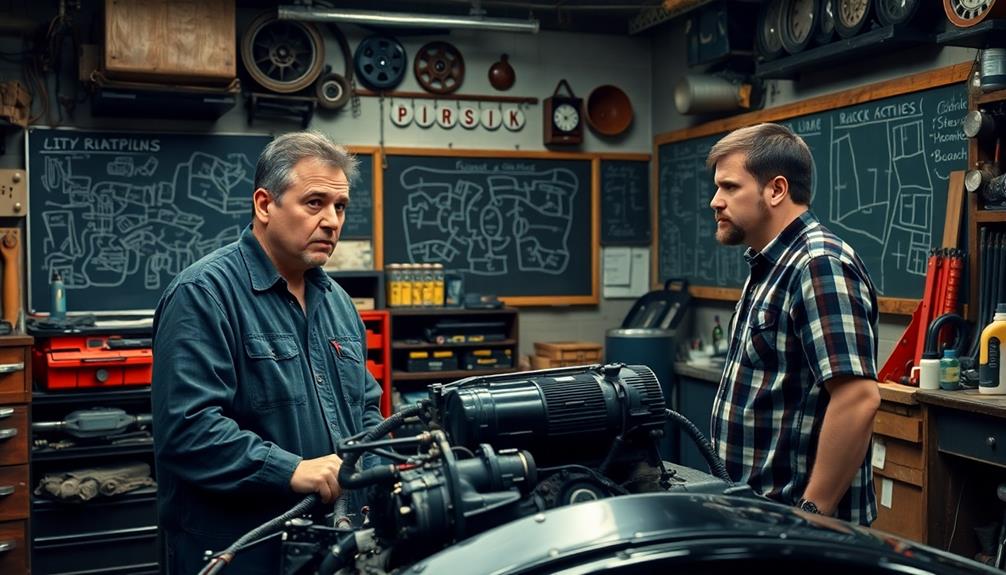
Effective post-repair communication builds trust and keeps your customers satisfied. By following up to confirm that everything works properly and addressing any concerns, you demonstrate your commitment to quality and reliability. Collecting feedback shows you value their opinions and helps you improve your services. Maintaining ongoing conversations encourages loyalty and positive word-of-mouth. If you want to learn more about creating strong customer relationships after repairs, keep exploring ways to enhance your communication strategies.
Key Takeaways
- Follow up promptly after repair to confirm customer satisfaction and address any concerns.
- Use warranty follow-up calls or emails to ensure proper function and reinforce trust.
- Gather customer feedback to identify issues and improve service quality continuously.
- Maintain open communication channels for questions, support, and ongoing relationship building.
- Demonstrate professionalism and care through personalized communication, encouraging loyalty and positive reviews.

Effective post-repair communication is essential for building trust and ensuring customer satisfaction. When your customers know they can count on you even after the repair is complete, they’re more likely to feel confident in your services and return in the future. One key aspect of this ongoing communication is warranty follow-up. After finishing a repair, it’s important to reach out to your customers to confirm that everything is working correctly and that they’re satisfied with the results. This not only demonstrates your commitment to quality but also shows that you stand behind your work. A simple warranty follow-up message or call can catch potential issues early, preventing future complaints and reinforcing your reputation for dependability.
Post-repair warranty follow-up builds trust, catches issues early, and shows your commitment to customer satisfaction.
Additionally, warranty follow-up provides an opportunity to address any lingering concerns your customers might have. If they report problems, you can quickly schedule a follow-up appointment to resolve them, which helps to minimize frustration and build goodwill. This proactive approach signals that you care about their long-term satisfaction, not just completing a job and moving on. It also helps you gather valuable feedback about your repair process—what went well and what could be improved. When you actively seek feedback, you show your customers that their opinions matter, and you’re dedicated to enhancing your services.
Feedback collection is a crucial part of post-repair communication because it gives you insights into the customer experience. Encourage honest reviews and make it easy for customers to share their thoughts, whether through surveys, follow-up emails, or phone calls. Listening carefully to their feedback enables you to identify patterns and address recurring issues, ultimately elevating your service quality. When customers see that their input directly influences your business practices, they feel more engaged and appreciated.
Effective communication doesn’t end with just a follow-up call or email; it’s about creating a continuous dialogue. Let your customers know they can reach out anytime if they encounter problems or have questions. Keep the lines of communication open and be responsive when they do. This ongoing engagement fosters trust and reassures your customers that their satisfaction is your top priority. When you combine diligent warranty follow-up with proactive feedback collection, you create a cycle of trust and improvement that benefits both your business and your clients. Ultimately, consistent and transparent communication after repairs helps you build strong relationships that lead to repeat business and positive word-of-mouth referrals. Incorporating mental clarity strategies like clear, honest communication can further enhance customer relations and satisfaction.
Frequently Asked Questions
How Soon Should I Expect a Follow-Up After Repair Completion?
You should expect a follow-up within 24 to 48 hours after your repair is completed. This timing expectations helps guarantee you’re satisfied with the service and any issues are addressed promptly. Typically, the follow-up frequency varies depending on the repair, but most companies check in once or twice within the first week. If you haven’t heard back in that timeframe, don’t hesitate to reach out for an update.
What if I Encounter Issues After the Repair Is Done?
If you encounter issues after the repair, don’t worry—most problems are fixable. Studies show that 85% of post-repair issues relate to repair delay or incorrect parts replacement. Contact your repair service promptly to report the problem. They should prioritize diagnosing the issue and arranging repairs if needed. Keep detailed records, including receipts and communication, to streamline the process. Your repair provider is committed to ensuring your satisfaction and resolving any lingering issues.
How Can I Provide Feedback on the Repair Service?
You can provide repair feedback by reaching out to the service provider through their website or customer service line. They often have a dedicated section for service reviews, where you can share your experience. Be honest and specific about what you liked or what could be improved. Your repair feedback helps them enhance their service, ensuring future customers receive better care and support.
Are There Warranties on the Repaired Parts or Service?
Yes, there’s usually an extended warranty or service guarantee on repaired parts and service. You should check with your repair provider for specific details, but most offer coverage that protects you against future issues within a certain period. This warranty guarantees peace of mind, so if problems occur again, you can get them addressed without extra costs. Always ask about the warranty terms before completing your repair service.
What Are the Best Ways to Contact Customer Support Post-Repair?
You should reach out to customer support channels like phone, email, or live chat for effective repair follow-up. These channels provide quick, direct access to support staff who can answer your questions and offer assistance. To guarantee your concerns are addressed, keep your repair details handy. Regular follow-up through these channels helps you stay informed about warranty coverage and guarantees prompt resolution if issues arise after the repair.
Conclusion
Effective post-repair communication shows customers you value their experience, fostering trust and loyalty. While some believe that simply completing the repair is enough, studies suggest ongoing communication actually boosts customer satisfaction and future business. By genuinely listening and updating clients, you demonstrate commitment beyond the fix. Remember, a theory from behavioral psychology indicates that consistent engagement can rewire perceptions—so staying connected after service isn’t just courteous, it’s a smart business move that builds lasting relationships.