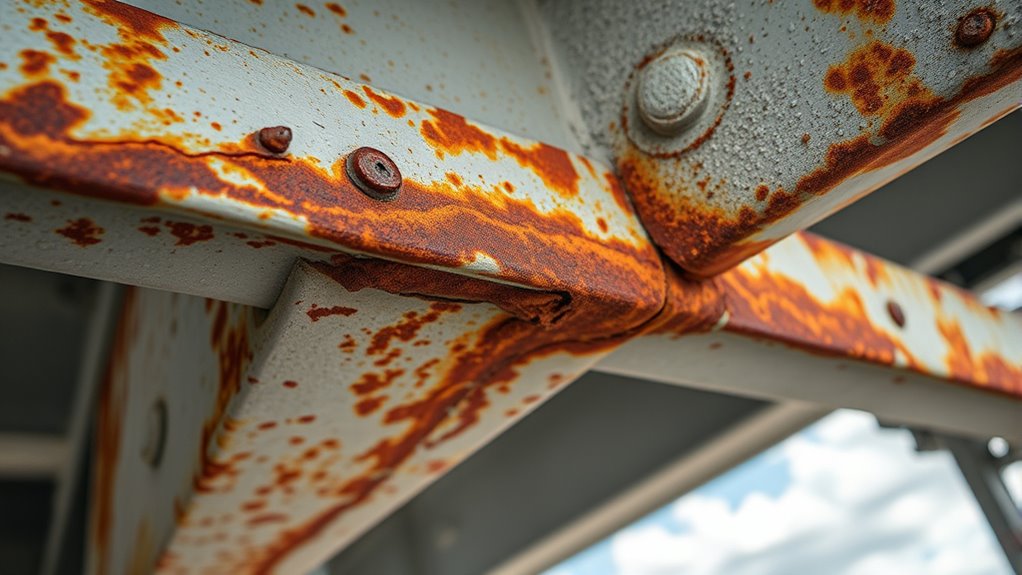

Corrosion warranties protect your structure from damage caused by rust and deterioration over time. They often cover issues related to environmental factors that affect metal surfaces, helping you avoid costly repairs. Proper protective coatings and regular inspections are key to maintaining warranty validity, as they act as the first line of defense. Monitoring and proper documentation guarantee ongoing effectiveness, safeguarding your investment. Keep exploring to discover how proactive corrosion management can extend your structure’s lifespan and integrity.

Get garage and car supplies delivered free — and shop member deals
- Fast, free delivery on millions of items
- Access to Prime Big Deal Days deals on October 6–7
- Prime Video, Amazon Music and more included
Key Takeaways
- Corrosion warranties protect structures from long-term damage caused by rust and environmental factors.
- Proper protective coatings serve as the first barrier, extending the lifespan of metal surfaces and ensuring warranty compliance.
- Regular inspections and monitoring detect early signs of corrosion, helping maintain warranty coverage and structural integrity.
- Documenting maintenance and inspection activities ensures adherence to warranty requirements and facilitates timely repairs.
- Advanced inspection techniques and proactive corrosion management prolong structure durability and safeguard investments.
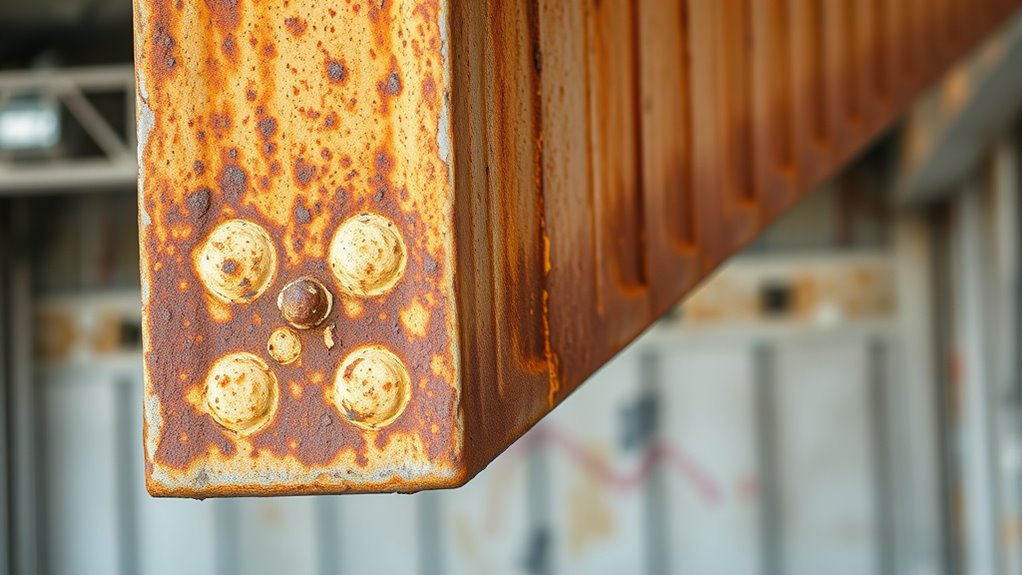
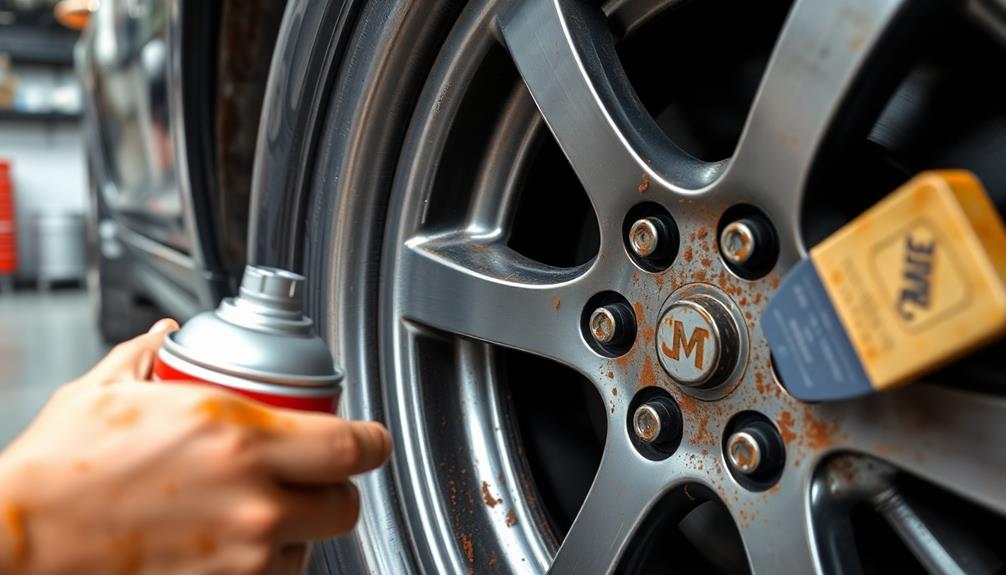
Corrosion warranties play a crucial role in protecting your structure from long-term damage, ensuring that any rust or deterioration caused by environmental factors is covered. When it comes to safeguarding your investment, understanding how protective coatings and inspection protocols work together is essential. Protective coatings act as the first line of defense, forming a barrier that shields metal surfaces from moisture, chemicals, and other corrosive elements. Choosing high-quality coatings and applying them correctly helps extend the lifespan of your structure, but even the best coatings can degrade over time. That’s where inspection protocols come into play, providing a systematic way to monitor your structure’s condition and identify early signs of corrosion.
Inspection protocols are critical for maintaining the integrity of your structure and ensuring that corrosion warranties remain valid. Regularly scheduled inspections allow you to catch issues before they develop into costly repairs. During these inspections, professionals assess the condition of protective coatings, looking for signs of wear, cracking, or peeling. They also examine the underlying metal for rust, pitting, or other forms of deterioration. These evaluations help determine if the protective measures are still effective or if re-coating or repairs are necessary. Implementing strict inspection protocols not only prolongs your structure’s life but also ensures compliance with warranty requirements, which often specify regular assessments to maintain coverage.
Understanding the importance of protective coatings and inspection protocols also helps you plan for maintenance costs and scheduling. By adhering to recommended inspection intervals, you reduce the risk of unexpected failures and costly emergency repairs. It’s vital to document each inspection thoroughly, noting any issues or repairs made, as this documentation can be crucial if a warranty claim arises. Additionally, staying proactive with inspections enables you to coordinate timely reapplications of protective coatings, ensuring continuous coverage and protection. Many warranties require that coatings are reapplied or touch-ups are performed within specified periods, so keeping detailed records helps you stay ahead of potential warranty claims.
Furthermore, employing inspection protocols that include advanced techniques can improve the detection of early corrosion signs that are not visible to the naked eye. Ultimately, combining effective protective coatings with diligent inspection protocols forms a comprehensive approach to corrosion management. It’s not enough to simply coat the structure once; you need ongoing monitoring to verify that your protective measures are still effective. By doing so, you safeguard your investment, extend the lifespan of your structure, and ensure that your corrosion warranty provides the coverage you need when problems arise. Staying proactive and informed allows you to maintain the integrity and safety of your structure, giving you peace of mind for years to come.
corrosion resistant protective coatings for metal
As an affiliate, we earn on qualifying purchases.
As an affiliate, we earn on qualifying purchases.
Frequently Asked Questions
How Long Do Corrosion Warranties Typically Last?
Corrosion warranties typically last between 10 to 20 years, depending on the product and manufacturer. You benefit from metal protection during this warranty duration, which covers damage caused by corrosion. To guarantee you’re fully protected, check the specific warranty terms for your product. Keep in mind that proper maintenance can extend the effectiveness of the warranty, helping you preserve your investment longer.
Are Corrosion Warranties Transferable to New Property Owners?
Did you know that corrosion warranties often transfer to new property owners? Usually, the transferability rules depend on the warranty provider and specific terms. You’ll need to follow the warranty transfer process, which typically involves notifying the company and submitting paperwork within a set timeframe. By understanding these steps, you guarantee that the new owner benefits from the warranty, making the property more attractive and protected.
What Factors Void a Corrosion Warranty?
You void a corrosion warranty if you neglect maintenance requirements or if warranty exclusions apply. Failing to follow recommended upkeep, like applying protective coatings or inspections, can invalidate your coverage. Additionally, damages caused by unauthorized modifications, misuse, or environmental factors outside warranty exclusions also void the warranty. To keep your coverage intact, guarantee you adhere to all maintenance guidelines and avoid actions that the warranty specifically excludes.
Does the Warranty Cover All Types of Corrosion?
Did you know that over 60% of corrosion issues could be prevented with proper maintenance? Your warranty typically doesn’t cover all types of corrosion, especially if protective coatings aren’t maintained or if maintenance schedules aren’t followed. Some warranties exclude corrosion caused by neglect or environmental factors. To guarantee full coverage, regularly inspect and reapply protective coatings, and stick to recommended maintenance schedules. This proactive approach helps keep your warranty valid and your structure protected.
How Does Climate Impact Corrosion Warranty Coverage?
Climate influence plays a significant role in corrosion warranty coverage. In harsher environments with high humidity, salt, or extreme temperatures, you’re more likely to experience corrosion, which can lead to increased warranty claims. Manufacturers often tailor their warranties based on climate conditions, so if you live in a coastal or humid area, you should expect more detailed coverage or specific exclusions. It is crucial to understand how your local climate impacts warranty claims for corrosion.
Conclusion
So, by understanding corrosion warranties and structure, you hold the power to protect your investments from chaos. Think of it like armored fortress walls shielding your buildings from relentless rust monsters trying to invade. With the right warranties, you’re not just preventing corrosion—you’re creating an impenetrable barrier that can withstand the fury of time itself. Arm yourself with knowledge, and watch your structure stand tall and unbreakable, defying the corrosion gods for generations to come.
Fall Picks
fall essentials
As an affiliate, we earn on qualifying purchases.