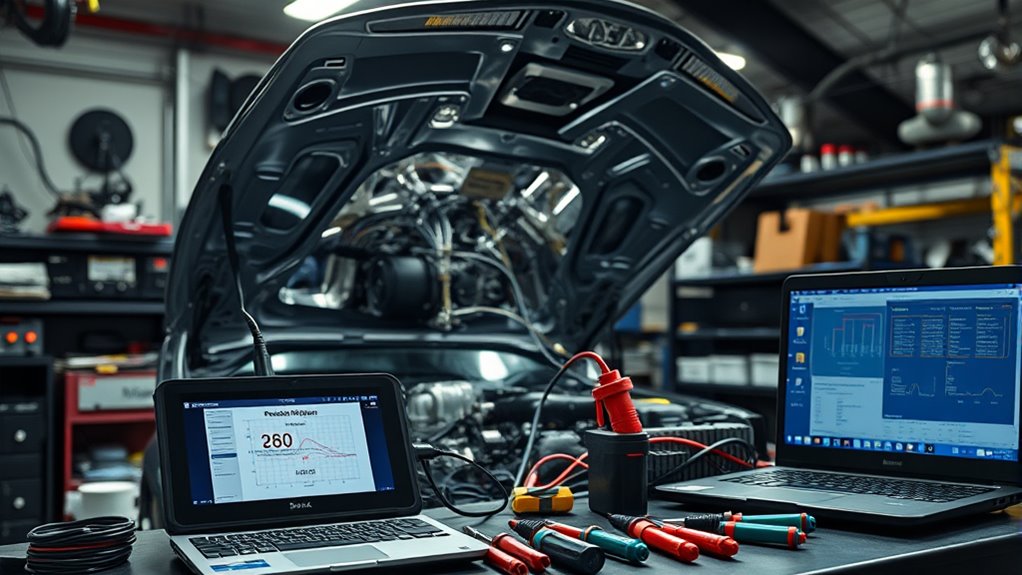

To diagnose a P0300 random misfire, start by checking your spark plugs and ignition coils for wear or damage, then examine fuel injectors and filters for clogs or faults. Inspect vacuum hoses and sensors like the MAF and oxygen sensors for leaks or errors, and verify wiring is intact. Use a scan tool to review live data and identify irregularities. By following this methodical approach, you’ll uncover the root cause—keep exploring to learn more.
Key Takeaways
- Use a scan tool to confirm misfire codes and check live data for irregular sensor readings.
- Inspect ignition components like spark plugs, coils, and wiring for wear, damage, or corrosion.
- Check fuel system including fuel pressure, injectors, and filters for proper flow and functionality.
- Examine vacuum hoses and intake for leaks that could cause air-fuel imbalance.
- Analyze sensor data such as MAF and O2 sensors to identify faulty signals affecting engine performance.
A P0300 code indicates that your vehicle’s engine is experiencing a random misfire, meaning the engine’s cylinders aren’t firing consistently. When this happens, it can cause rough idling, hesitation, or even poor fuel economy. To diagnose this problem effectively, you need to understand the core systems involved, specifically the ignition system and fuel delivery. These are the primary factors that influence whether your engine runs smoothly or misfires.
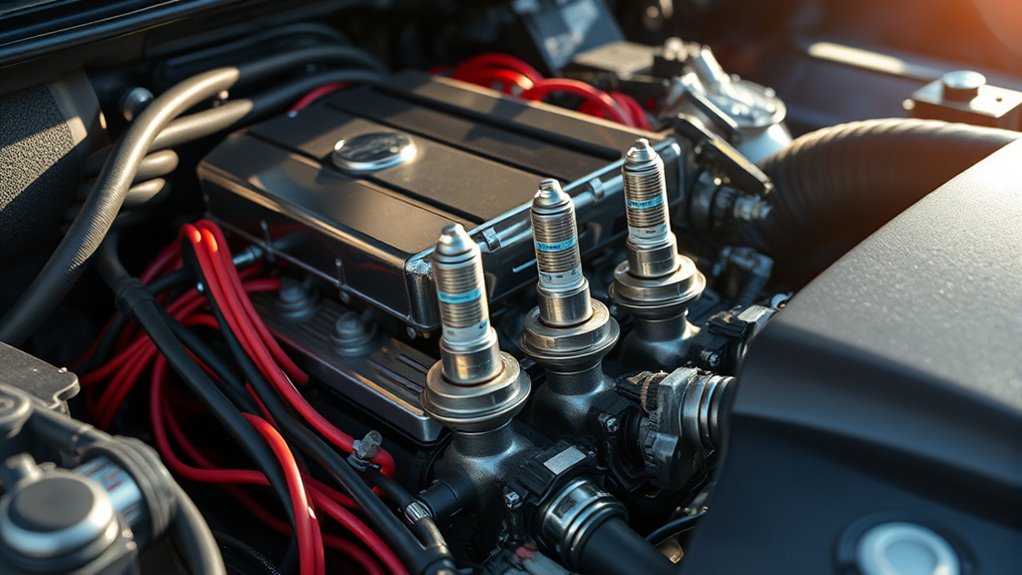
Start by checking the ignition system, as faulty spark plugs, ignition coils, or wires are common culprits in random misfires. Spark plugs that are worn or fouled can cause inconsistent sparks, leading to misfiring. Ignition coils that are failing might not produce the necessary voltage to ignite the air-fuel mixture in the cylinders. Worn or damaged wires can also result in weak or interrupted sparks. During inspection, look for signs of wear, cracks, or corrosion, and replace any faulty components. Remember, a weak spark in even one cylinder can trigger a random misfire code like P0300.
Check and replace worn spark plugs, ignition coils, and damaged wires to prevent engine misfires.
Next, focus on fuel delivery issues. If the fuel injectors are clogged or malfunctioning, they won’t deliver the proper amount of fuel to each cylinder, causing uneven combustion. Dirty or failing fuel injectors often lead to misfires, especially under load or during acceleration. Fuel filters that are clogged can also restrict fuel flow, contributing to inconsistent engine performance. It’s advisable to check fuel pressure with a gauge to ensure it’s within manufacturer specifications. If pressure is low or fluctuates, the fuel pump or fuel pressure regulator might be at fault, requiring replacement.
While inspecting these systems, don’t forget to review other potential causes such as vacuum leaks, which can disrupt the air-fuel mixture, or sensor issues like a faulty mass airflow sensor or oxygen sensors. These can send incorrect data to the engine control unit (ECU), causing it to adjust fuel delivery improperly and trigger misfires. Additionally, check for loose or damaged wiring harnesses connected to sensors and the ignition system, as electrical issues can also lead to inconsistent firing. Airless paint sprayers are an example of tools that require proper maintenance to ensure optimal performance, much like engine components.
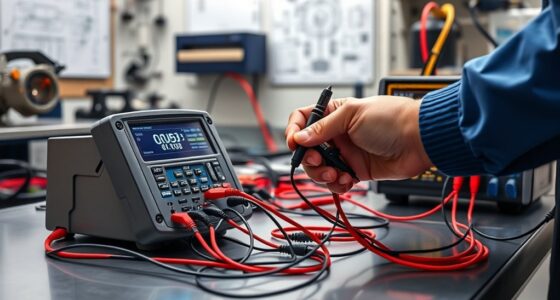
Once you’ve checked the ignition system and fuel delivery, use diagnostic scan tools to read live data, which can help pinpoint the exact source of the misfire. Look for irregularities in fuel trims, misfire counts, or sensor readings. By systematically diagnosing each component involved—focusing on ignition, fuel delivery, and related sensors—you can identify the root cause of the P0300 code. This methodical approach ensures you don’t overlook any potential issues, saving you time and avoiding unnecessary repairs. Ultimately, solving a random misfire involves a combination of visual inspections, testing, and data analysis to restore smooth, reliable engine performance.
Frequently Asked Questions
Can P0300 Cause Long-Term Engine Damage?
Yes, P0300 can cause long-term engine damage if left unresolved. The misfire leads to increased engine wear and can damage pistons, valves, and spark plugs over time. Additionally, it reduces fuel efficiency, causing your engine to work harder. Ignoring this issue may result in costly repairs, so it’s crucial to address the misfire promptly to protect your engine’s longevity and maintain ideal fuel economy.
Is P0300 More Common in Certain Vehicle Models?
You might notice P0300 is more common in certain vehicle models due to model-specific issues or regional trends. Some makes and years tend to experience this misfire more often, especially if they have design flaws or are exposed to specific environmental conditions. It’s wise to check for these patterns, as understanding regional vehicle trends can help you identify potential causes faster and prevent long-term engine damage.
How Does Altitude Affect P0300 Occurrences?
Altitude effects can increase P0300 misfire occurrences because higher elevations reduce oxygen levels, causing your engine to struggle with proper combustion. As oxygen drops, your fuel mixture may become too rich or too lean, leading to inconsistent firing. You might notice more misfires at high altitudes, especially if your vehicle isn’t tuned for such conditions. Regular maintenance and adjustments can help mitigate these altitude-related misfire issues.
Can I Drive Safely With a P0300 Code?
You can drive with a P0300 code, but it may affect your engine performance, causing rough idling or stalling. While it might seem okay temporarily, ignoring the issue can lead to more damage and higher repair costs down the line. If you notice unusual engine behavior, it’s best to get it examined soon to prevent further problems and ensure your vehicle runs smoothly.
Are There Specific Driving Habits That Trigger P0300?
Sure, your aggressive driving style and poor fuel quality can actually trigger a P0300. Ironically, the more you push your engine with rapid acceleration or high speeds, the more likely it is to misfire. Low-quality fuel, full of impurities, can also cause inconsistent combustion, leading to random misfires. So, if you want to keep that code from popping up, slow down and choose better fuel.
Conclusion
So, next time your engine throws a P0300 random misfire, don’t panic. Just remember, it’s probably not your car plotting a rebellion—probably. Plunge into the diagnostics like a detective on a caffeine high, and you’ll tame that mischievous misfire. Because nothing says “I love my car” like spending a weekend troubleshooting a pesky code. Happy diagnosing, and may your engine stay smooth, silent, and misfire-free—at least until the next surprise.