
TL;DR

Get business pricing on garage and car supplies
- Business-only prices and quantity discounts
- Tax-exempt purchasing
- Multiple users, one account, clear invoices
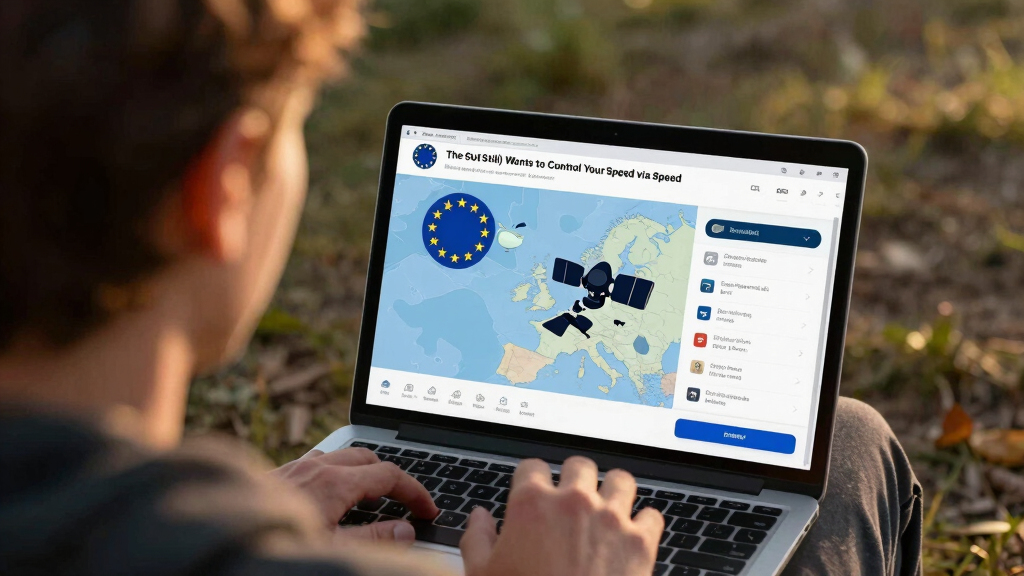
The European Union is moving forward with proposals to regulate vehicle speeds through satellite systems. While confirmed, the initiative faces criticism and unresolved questions about implementation and privacy implications.
The European Union is advancing plans to implement satellite-based speed regulation for vehicles, aiming to improve road safety and traffic management. This initiative, still in the proposal stage, would allow authorities to remotely control vehicle speeds via satellite signals, raising significant privacy and autonomy questions. The proposal reflects ongoing efforts by the EU to leverage technology for traffic control, but it remains subject to legislative approval and technical development.
According to sources familiar with the EU’s legislative proposals, the initiative would enable authorities to remotely regulate vehicle speeds through satellite communication systems integrated into vehicles. The proposal is part of broader EU efforts to enhance traffic safety and reduce accidents caused by speeding. The legislation is currently in the review process, with some member states expressing cautious support while others raise concerns over privacy and civil liberties.
Official documents indicate that the system would be activated only in specific circumstances, such as during traffic emergencies or for law enforcement purposes. The EU Commission has not yet confirmed detailed technical specifications or timelines for deployment but emphasizes that the system would be designed with safeguards to prevent misuse.
Critics argue that such satellite control could infringe on individual freedoms and privacy rights, with some experts warning about potential overreach. The proposal is also facing opposition from civil liberties groups and automotive industry stakeholders who question the feasibility and ethical implications of remote vehicle control.
Potential Impact on Driver Autonomy and Privacy Rights
This proposal, if enacted, could fundamentally alter how vehicles are operated and monitored within the EU. It raises critical questions about individual freedom, privacy, and the scope of government authority over personal vehicles. The move reflects a broader trend toward increased technological surveillance and control, which could set a precedent for other regions. For consumers, it signifies a possible shift toward more managed and restricted vehicle usage, with implications for personal mobility and data security.
As an affiliate, we earn on qualifying purchases.
EU’s History of Vehicle Regulations and Technology Initiatives
The European Union has a history of promoting vehicle safety and technological innovation, including the adoption of intelligent speed assistance systems and mandatory eCall emergency systems. Previous efforts aimed to reduce road fatalities and improve traffic flow, often involving data collection and automated controls. The current satellite-based speed regulation proposal builds on these initiatives, representing a more direct form of remote vehicle control. Similar discussions about remote vehicle management have occurred in other regions, but the EU’s move signals a potentially significant shift in policy and technology deployment.
“The proposed satellite-based system aims to enhance road safety and ensure compliance with speed limits, using advanced technology responsibly.”
— EU Transport Commissioner
Unresolved Questions About Implementation and Oversight
It remains unclear how the satellite control system will be technically implemented, including safeguards against misuse or hacking. Details about the legislative timeline, specific operational protocols, and privacy protections are still under development. Additionally, the extent of government authority and the rights of vehicle owners in this system are not yet fully defined, leading to ongoing debate and uncertainty.
Next Steps in EU Legislation and Public Consultation
The EU is expected to hold consultations with member states, industry stakeholders, and civil society groups over the coming months. Legislative proposals are likely to undergo revisions before formal adoption, with possible pilot programs or trials in select regions. Public debates and legal challenges may influence the final scope and safeguards of the satellite-based speed regulation system.
Key Questions
Will my vehicle be automatically controlled by satellite in the EU?
Currently, it is a proposal under review. If adopted, the system would likely be activated only in specific circumstances, such as emergencies or law enforcement requests, rather than continuous control.
Does this mean the government can remotely stop my car at any time?
Not necessarily. The proposal suggests remote control would be limited to certain situations, but details about the scope and safeguards are still being developed.
Could this infringe on my privacy or personal freedoms?
Yes, critics argue that satellite control raises privacy and autonomy concerns, and the debate over safeguards and oversight is ongoing.
When might this system be implemented if approved?
Legislative approval and technical development could take several years. Exact timelines are not yet confirmed, and pilot programs may occur first.
Are other countries considering similar measures?
Some regions are exploring remote vehicle management, but the EU’s proposal is among the most advanced in formal legislative stages.
Source: rss
Halloween Picks
halloween
As an affiliate, we earn on qualifying purchases.