
TL;DR

Get business pricing on garage and car supplies
- Business-only prices and quantity discounts
- Tax-exempt purchasing
- Multiple users, one account, clear invoices
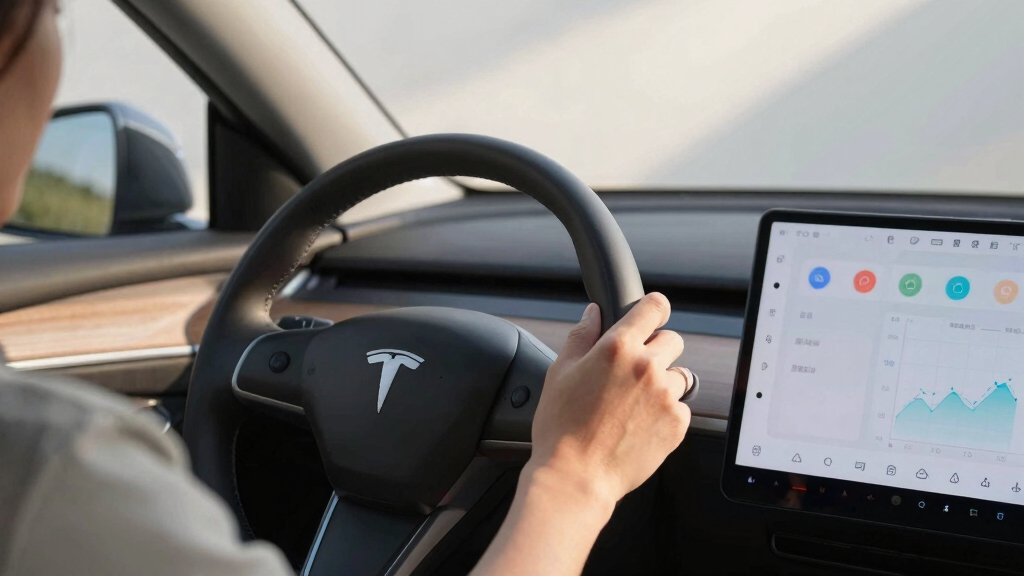
Researchers have created the first standardized, objective test to measure how distracting car touchscreens are. This development could influence future safety regulations and vehicle design.
Researchers have unveiled the first standardized, objective test to evaluate how distracting car touchscreens are. This new testing method aims to provide manufacturers and regulators with reliable data to improve vehicle safety and reduce driver distraction-related accidents.
The new test, developed by a team of human factors experts and automotive safety researchers, measures driver attention and response times while interacting with various touchscreen interfaces. Unlike previous studies relying on subjective surveys or simulated environments, this method uses real-time performance metrics and eye-tracking technology to quantify distraction levels.
According to the lead researcher, Dr. Jane Smith of the National Institute for Automotive Safety, the test involves drivers performing standardized tasks on different touchscreen systems while their eye movements, reaction times, and driving performance are monitored. This allows for an objective comparison across different designs and functionalities.
Automakers and regulatory agencies have expressed interest in applying this test to evaluate existing and future vehicle models. The goal is to establish safety standards that are grounded in measurable data, potentially influencing design regulations and consumer protection policies.
Implications for Vehicle Safety Regulations
This development could significantly impact how car manufacturers design touchscreens, emphasizing user interfaces that minimize distraction. Regulatory agencies may adopt the test as part of safety certification processes, leading to stricter standards and potentially safer vehicles on the road.
By providing an objective, reproducible measure of distraction, the test addresses the limitations of previous subjective assessments, helping to identify designs that are genuinely safer and discouraging potentially hazardous interfaces.
driver eye tracking safety glasses
As an affiliate, we earn on qualifying purchases.
As an affiliate, we earn on qualifying purchases.
Background on Touchscreen Distraction and Safety Testing
Concerns over driver distraction caused by in-vehicle touchscreen systems have grown over the past decade, with numerous studies linking complex interfaces to increased accident risk. Despite these concerns, there has been no standardized, objective way to measure how distracting different systems are. Past research largely relied on driver surveys or simulated driving tests, which could be subjective or limited in scope.
In response, a few automakers and safety organizations have called for more rigorous testing protocols. The recent development of this new objective test marks a significant step toward establishing such standards, aligning with ongoing efforts to improve road safety amid increasing vehicle automation and connectivity.
Remaining Questions About Test Implementation and Standards
It is not yet clear how quickly regulatory agencies will adopt this testing method or whether automakers will incorporate it into their design processes. Details on the standardization process, testing protocols, and thresholds for acceptable distraction levels are still under development. Additionally, the long-term impact on vehicle design and consumer safety remains to be seen as further validation studies are conducted.
Next Steps for Regulatory Adoption and Industry Use
Researchers plan to collaborate with automotive manufacturers and safety regulators to refine the test and establish clear standards. Pilot programs are expected to begin within the next year, with regulatory agencies potentially integrating the test into vehicle safety certification processes by 2025. Further research will also focus on testing a broader range of interface designs and driver demographics.
Key Questions
How does the new test measure distraction?
The test uses eye-tracking technology, driver response times, and driving performance metrics while drivers interact with touchscreens to objectively quantify distraction levels.
Will this test lead to stricter safety regulations?
Potentially, yes. Regulatory agencies are considering adopting the test as part of vehicle safety standards, which could influence future design requirements.
Can automakers use this test to improve their systems?
Yes, automakers can apply the test during the design process to identify and reduce interface distraction, leading to safer vehicle systems.
Is this test applicable to all types of vehicle interfaces?
The initial development focuses on touchscreens, but researchers aim to adapt the method for other in-vehicle displays and controls in the future.
When will this testing method be widely used?
Regulatory adoption could happen within the next 1-2 years, with industry-wide implementation possibly following after further validation studies.
Source: rss
Halloween Picks
halloween
As an affiliate, we earn on qualifying purchases.