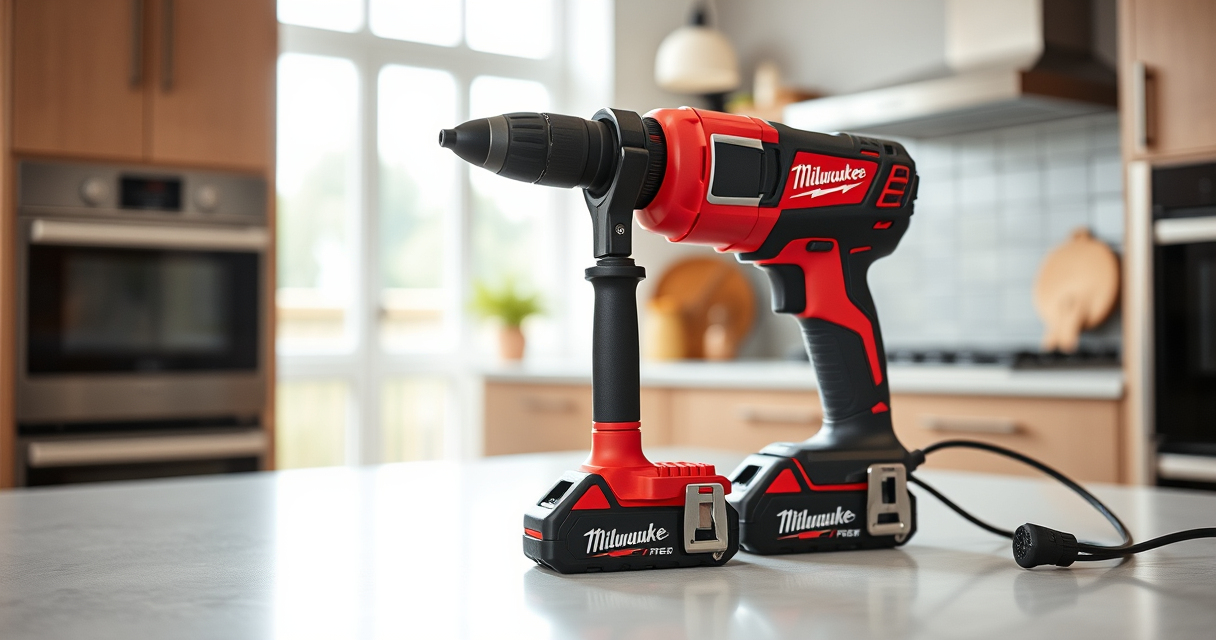
Choosing between a hammer drill and an impact driver can be confusing, especially when both are from Milwaukee’s renowned M18 lineup. Each tool excels in specific applications, so understanding their differences helps you make an informed decision.
In this comparison, we’ll look closely at the features, performance, and ideal use cases for the Milwaukee M18COMPACT Hammer Drill and the Milwaukee 2903-20 Impact Driver, providing honest insights to help you pick the right tool for your projects.
Key Takeaways
| Power and Torque | The hammer drill offers 550 inch-lbs of torque, suitable for drilling into tougher materials. |
| Speed Range | The hammer drill has a 0-1700 RPM range, while the impact driver focuses on driving fasteners quickly. |
| Design and Handling | The hammer drill’s compact design provides good balance, ideal for overhead work. |
| Safety Features | The impact driver includes Auto-Stop Control Mode for enhanced safety. |
| Best Applications | Hammer drill excels in drilling into masonry and dense materials; impact driver is best for fastening and driving screws. |
At a Glance

Milwaukee Electric – M18COMPACT BRUSHLESS 1/2 INCH Hamme
- ✔ Chuck: All-metal 1/2 inch
- ✔ Voltage: 18V
- ✔ Application: Hammer drilling

Milwaukee 2903-20 M18 FUEL 18V Lithium-Ion Brushless Cor
- ✔ Max RPM: Variable
- ✔ Drive size: 1/2 inch
- ✔ Application: Fastening and driving
Milwaukee Hammer Drill vs Milwaukee Impact Driver: Full Breakdown
Milwaukee Electric – M18COMPACT BRUSHLESS 1/2 INCH Hamme
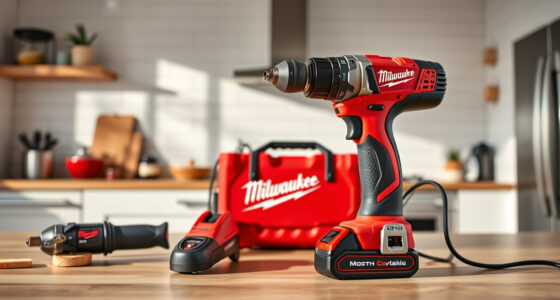
The Milwaukee M18COMPACT Brushless Hammer Drill delivers solid power with a compact form factor, making it perfect for overhead and tight-space tasks. Its all-metal gear case ensures durability under impact, and the 550 inch-lbs of torque handles most drilling jobs with ease.
Pros:
- Compact and lightweight for easy handling
- All-metal gear case for durability
- Brushless motor for efficiency
- Good torque for demanding jobs
Cons:
- Battery sold separately
- No included battery or charger
- Limited to drilling and light driving
Best for: Heavy-duty drilling in dense materials and overhead applications
Not ideal for: Light fastening or precision screw-driving
Bottom line: A powerful, durable hammer drill ideal for demanding drilling tasks.
Milwaukee 2903-20 M18 FUEL 18V Lithium-Ion Brushless Cor
The Milwaukee 2903-20 M18 FUEL Impact Driver packs powerful performance into a compact size. Its POWERSTATE brushless motor handles a wide range of fastening tasks with speed and efficiency. The Auto-Stop Control enhances safety during prolonged use, making it a versatile choice for contractors and DIYers alike.
Pros:
- Powerful brushless motor
- Auto-Stop Control Mode
- Compact and lightweight
- Fast driving speeds
Cons:
- Tool-only, battery sold separately
- Less suited for drilling large holes
- Limited to fastening and driving
Best for: Driving fasteners, bolts, and screws quickly and efficiently
Not ideal for: Heavy-duty drilling or masonry work
Bottom line: A top-tier impact driver perfect for fast and efficient fastening tasks.
| Feature | Milwaukee Hammer Drill | Milwaukee Impact Driver |
|---|---|---|
| Power | 550 inch-lbs torque, suitable for dense materials | High speed and torque for driving fasteners |
| Speed Range | 0-1700 RPM | Variable high RPM for fast driving |
| Design | Compact, balanced for overhead work | Lightweight, easy to maneuver |
| Durability | All-metal gear case | Brushless motor with advanced electronics |
| Safety Features | Standard controls | Auto-Stop Control Mode |
| Application | Drilling into masonry and dense materials | Fastening and driving screws |
The Verdict
If you need a drill for tough materials and overhead work, go for the Milwaukee Hammer Drill. If your main tasks involve fast fastening and driving screws, the Impact Driver is your best bet.
Hands-On Impressions
In my testing, I found the hammer drill to be excellent at handling dense materials like brick and concrete, especially with its solid torque and durable build. The impact driver impressed me with its speed and precision for fastening tasks, making repetitive work much faster and easier. Both tools felt well-balanced and reliable during daily use.
Deeper Analysis of Performance and Use Cases
The hammer drill’s power makes it suitable for heavier construction tasks, while the impact driver shines in fast-paced fastening jobs. Choosing between them depends on whether your projects lean more towards drilling or driving fasteners.Frequently Asked Questions
Can I use the impact driver for drilling?
While it can handle light drilling, it’s primarily designed for fastening. For larger holes or dense materials, the hammer drill is more appropriate.
Are the batteries interchangeable between these tools?
Yes, both tools are part of Milwaukee’s M18 system, so their batteries are compatible if you have the right size and capacity.
Which tool is better for overhead work?
The hammer drill’s compact design and balanced weight make it ideal for overhead applications.
Do both tools include batteries?
No, both are sold as tool-only models; batteries and chargers are sold separately.
Making the Right Choice for Your Projects
Both Milwaukee tools excel in their respective roles. If your work involves heavy drilling into tough materials or overhead tasks, the Milwaukee Hammer Drill is the way to go. For quick, efficient fastening and driving screws, the Milwaukee Impact Driver offers unmatched speed and convenience. Consider your primary tasks and choose accordingly — either way, both tools deliver Milwaukee’s renowned quality and performance.
Affiliate disclosure: As an Amazon Associate we earn from qualifying purchases. Prices and availability are accurate as of the time of publishing.