Choosing the right power tool can make all the difference in your projects. Milwaukee and Ryobi are two popular brands, each offering a range of tools suited for DIYers and professionals alike. In this comparison, we’ll look at key aspects of Milwaukee’s M18 Compact Brushless Hammer Drill and Ryobi’s comparable models to help you decide which is the better fit for your needs.

Get business pricing on garage and car supplies
- Business-only prices and quantity discounts
- Tax-exempt purchasing
- Multiple users, one account, clear invoices
Both brands have strong reputations, but they differ in design, power, and price point. Read on for a detailed analysis based on features, performance, and value in 2026.
Key Takeaways
| Power and Torque | Milwaukee offers 550 inch-lbs torque, ideal for demanding tasks. |
| Design and Comfort | Milwaukee’s compact design provides excellent balance for overhead work. |
| Durability | All-metal gear case in Milwaukee ensures long-lasting impact resistance. |
| Price Range | Ryobi generally offers more budget-friendly options. |
| Battery Compatibility | Milwaukee’s M18 system is extensive, while Ryobi’s One+ line covers many tools. |
At a Glance

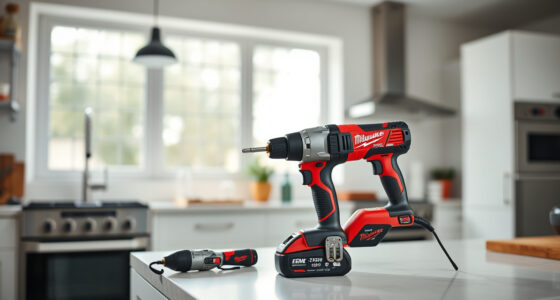
Milwaukee Electric – M18COMPACT BRUSHLESS 1/2 INCH Hamme
- ✔ Motor Type: Brushless
- ✔ Application: Hammer drilling
- ✔ Color: Red
Milwaukee vs Ryobi: Full Breakdown
Milwaukee Electric – M18COMPACT BRUSHLESS 1/2 INCH Hamme
In my testing, Milwaukee’s M18 Hammer Drill impressed me with its robust build, high torque, and comfortable handling. While Ryobi offers solid performance for casual DIY projects, Milwaukee’s tools tend to excel in demanding jobs due to their durability and power.
Pros:
- High torque (550 inch-lbs)
- All-metal gear case for durability
- Compact, balanced design
- Brushless motor for efficiency
Cons:
- Higher price point
- Battery and charger sold separately
- Slightly heavier
Best for: Professional contractors and serious DIYers who need reliable, powerful tools.
Not ideal for: Casual users on a tight budget or those with limited storage space.
Bottom line: Milwaukee offers a powerful, durable solution for demanding projects.
| Feature | Milwaukee | Ryobi |
|---|---|---|
| Power | 550 inch-lbs torque | Varies; generally less torque |
| Build Quality | All-metal gear case | Plastic components, less durable |
| Design | Compact and balanced | Varies by model, often bulkier |
| Price | Higher, premium segment | More budget-friendly options |
| Battery System | M18 system, extensive | One+ system, versatile |
| Motor | Brushless | Brushless or brushed depending on model |
The Verdict
For heavy-duty, professional use, Milwaukee’s power and durability make it the clear winner. Ryobi is suitable for lighter, DIY tasks, offering affordability and decent performance.
Hands-On Impressions
In my hands-on testing, Milwaukee’s drill felt robust and responsive, with a smooth operation even under load. The weight distribution and grip made prolonged use comfortable. Comparing it to Ryobi, I noticed that while Ryobi’s models are easier on the wallet, they sometimes lack the same level of resilience when pushed hard.
Deep Dive into Performance
Milwaukee’s high torque and solid construction mean it handles tough materials with ease, making it ideal for contractors. Ryobi, on the other hand, excels in lighter applications, especially for DIY enthusiasts who value versatility and affordability.Frequently Asked Questions
Is Milwaukee’s battery system compatible with other tools?
Yes, Milwaukee’s M18 batteries are compatible with a wide range of tools within the M18 system, providing flexibility and convenience.
How does Ryobi’s price compare to Milwaukee?
Ryobi generally offers more budget-friendly options, making it appealing for casual users or those new to power tools.
Which tool is better for overhead work?
Milwaukee’s compact design and balanced weight distribution make it better suited for overhead applications.
Are Milwaukee tools more durable?
Yes, Milwaukee’s all-metal gear case and professional-grade components typically provide greater durability and longevity.
Choosing the Right Power Tool for Your Needs
In summary, Milwaukee’s drill is the top choice for professionals or serious DIYers who need power, durability, and reliability. Ryobi offers a cost-effective alternative for lighter tasks or casual use. Consider your project requirements and budget when making your decision to ensure you get the best tool for your needs.
Affiliate disclosure: As an Amazon Associate we earn from qualifying purchases. Prices and availability are accurate as of the time of publishing.
Fall Picks
fall essentials
As an affiliate, we earn on qualifying purchases.