
Finding the best diesel truck engine depends on your specific needs—whether you prioritize power, efficiency, or longevity. The AVCR 1360-2 High Specific Output Variable Compression Ratio Diesel Engine stands out for its innovative compression technology, offering impressive efficiency for demanding tasks. The Isuzu 5.8L Direct Injection Diesel Engine is a reliable choice for those seeking straightforward performance. However, tradeoffs exist, such as higher costs for premium features or reduced fuel economy in some models. Continue reading for a detailed breakdown of these engines and which one suits your hauling or daily driving needs best.

Get business pricing on garage and car supplies
- Business-only prices and quantity discounts
- Tax-exempt purchasing
- Multiple users, one account, clear invoices
Complete the kit


Key Takeaways
- The top-ranked engines combine high durability with modern control systems for better efficiency.
- Power output varies significantly, with some models emphasizing fuel economy over raw torque.
- Many engines share common design traits like turbocharging and direct injection, but their application varies.
- Tradeoffs often involve balancing initial cost versus long-term savings or performance.
- Choosing the right engine depends heavily on the specific workload and vehicle compatibility.
| AVCR 1360-2 High Specific Output Variable Compression Ratio Diesel Engine (SAE) |  | Best Overall Diesel Engine for Heavy-Duty and Industrial Use | Application: Heavy-duty industrial | Technology: Variable compression ratio | Power Output: High, specific to model | VIEW LATEST PRICE | See Our Full Breakdown |
| Isuzu 5.8L Direct Injection Diesel Engine | | Best Value and Reliability for Automotive Diesel Applications | Engine Type: Diesel | Displacement: 5.8L | Injection System: Direct Injection | VIEW LATEST PRICE | See Our Full Breakdown |
| Detroit Diesel Series 92 Engines (SAE) |  | Best Technical Resource for Diesel Enthusiasts and Professionals | Application: Technical reference | Engine Type: Series 92 | Details Provided: Technical specifications and data | VIEW LATEST PRICE | See Our Full Breakdown |
| Isuzu 12.0L Micro-Computer Controlled Turbocharged Diesel Engine | | Best for Heavy-Duty and Industrial Power with Advanced Control | Engine Type: Turbocharged Diesel | Displacement: 12.0L | Control System: Micro-Computer | VIEW LATEST PRICE | See Our Full Breakdown |
| Diesel Engine Technology |  | Best Educational and Technical Resource on Diesel Engines | Type: Educational resource | Coverage: Design, operation, advancements | Intended audience: Students and engineers | VIEW LATEST PRICE | See Our Full Breakdown |
| Truck Diesel Engines, Alternative Power, and Electronic Systems |  | Best for Industry Professionals and Enthusiasts Seeking In-Depth Knowledge | VIEW LATEST PRICE | See Our Full Breakdown | |||
| Mack’s 350 HP 2234 Pound Fuel Economy Engine (SAE) | | Best for Heavy-Duty Applications Requiring Power and Fuel Efficiency | Horsepower: 350 HP | Weight: 2234 pounds | Application: Heavy-duty | VIEW LATEST PRICE | See Our Full Breakdown |
| Perkins 6.247 High-Speed, High-Economy Diesel Engine for North American Light Duty Applications (SAE) | | Best for Light-Duty Industrial and Commercial Use with a Focus on Economy | VIEW LATEST PRICE | See Our Full Breakdown | |||
| GM 6.2L V8 Diesel Engine – Designed by Chevrolet | | Best for Durability and Performance in Automotive Applications | VIEW LATEST PRICE | See Our Full Breakdown | |||
| The Ford 2.5 Litre High-Speed Direct Injection Diesel Engine: Its Performance and Future Possibilities (SAE) | | Best for Automotive Engineers and Enthusiasts Interested in Future Tech | VIEW LATEST PRICE | See Our Full Breakdown | |||
| Duetz BF8L 513 Air-Cooled Diesel Engine with Turbocharging for Truck and Bus | | Best for Heavy-Duty Commercial Use | Engine Type: Air-cooled diesel | Application: Truck and bus | Turbocharging: Yes | VIEW LATEST PRICE | See Our Full Breakdown |
More Details on Our Top Picks
AVCR 1360-2 High Specific Output Variable Compression Ratio Diesel Engine (SAE)
The AVCR 1360-2 stands out for its innovative variable compression ratio technology, which maximizes efficiency and power output for demanding industrial applications. Unlike traditional fixed-compression engines, this model adapts dynamically to workload demands, offering superior fuel economy and reliability. Its design emphasizes industrial robustness, making it a strong choice for heavy-duty machinery, though its complex maintenance and limited available information may deter casual operators. Compared with the Isuzu 5.8L, which offers straightforward automotive reliability, the AVCR is better suited for custom or specialized uses where efficiency is paramount, but it may require more technical upkeep.
Pros:- Innovative variable compression technology boosts efficiency and power
- Reliable performance tailored for industrial applications
- Adaptable to various heavy-duty tasks
Cons:- Limited publicly available technical details
- Potentially complex and costly maintenance
Best for: Manufacturers and engineers seeking a high-efficiency, heavy-duty diesel engine for industrial or specialized applications.
Not ideal for: Casual vehicle owners or small business operators who prefer simple, easy-to-maintain engines without complex variable compression systems.
- Application:Heavy-duty industrial
- Technology:Variable compression ratio
- Power Output:High, specific to model
- Efficiency:Optimized via variable compression
- Reliability:Designed for industrial use
- Maintenance:Potentially complex
Our verdict“This engine is ideal for industrial users who need maximum efficiency and are prepared for specialized maintenance needs.”
Isuzu 5.8L Direct Injection Diesel Engine
The Isuzu 5.8L Direct Injection Diesel makes a compelling case for durability and efficiency in automotive contexts. Its direct injection system delivers better fuel combustion, translating into reliable power and improved efficiency compared to older indirect-injection models. While it shares a focus on reliability with the Detroit Diesel Series 92, its more straightforward design makes it easier to service for everyday users. However, its limited information on compatibility can pose challenges for those seeking to integrate it into specific vehicles. This engine is a strong option for those looking for a durable, efficient diesel for trucks or larger vehicles, but it might not be suitable for custom builds without proper support.
Pros:- High durability and long service life
- Efficient direct injection system improves performance
- Suitable for automotive applications requiring reliable power
Cons:- Limited available information on vehicle compatibility
- No customer reviews to gauge real-world performance
Best for: Automotive fleet operators and truck owners seeking reliable, fuel-efficient diesel engines with straightforward maintenance.
Not ideal for: DIY enthusiasts or custom builders who need detailed technical specs and wide compatibility information upfront.
- Engine Type:Diesel
- Displacement:5.8L
- Injection System:Direct Injection
Our verdict“This engine fits buyers looking for a durable, efficient diesel option for trucks and larger vehicles, prioritizing reliability over customization flexibility.”
Detroit Diesel Series 92 Engines (SAE)
The Detroit Diesel Series 92 offers detailed technical insights that appeal to diesel engineers and enthusiasts who want deep understanding of engine design and operation. Unlike the Isuzu 5.8L, which emphasizes simplicity and reliability, the Series 92 provides comprehensive data, making it invaluable for troubleshooting, customization, or educational purposes. Its lack of user reviews or modern operational context limits its appeal for practical, everyday use, but its detailed specifications serve as a crucial reference for specialists. This product is better suited for those interested in the technology behind diesel engines rather than immediate installation or application.
Pros:- Extensive technical data on Series 92 engines
- Ideal for educational and engineering purposes
- Provides detailed specifications for customization
Cons:- Lacks practical operational features
- No user reviews or performance data
Best for: Engineers, students, and diesel enthusiasts seeking an in-depth technical overview of Series 92 engines.
Not ideal for: End users or mechanics looking for ready-to-install engines or practical performance data for everyday use.
- Application:Technical reference
- Engine Type:Series 92
- Details Provided:Technical specifications and data
Our verdict“This resource is perfect for technical learners and professionals who need detailed specifications on Detroit Diesel Series 92 engines, rather than direct application.”
Isuzu 12.0L Micro-Computer Controlled Turbocharged Diesel Engine
The Isuzu 12.0L Turbocharged Diesel integrates micro-computer control for precise operation, making it a prime choice for heavy-duty industrial applications. Its large displacement and turbocharging deliver robust power, surpassing smaller engines like the Isuzu 5.8L in raw output. The advanced control system ensures optimal performance and efficiency but comes with higher maintenance costs and installation complexity. Compared to the AVCR 1360-2, which emphasizes variable compression for efficiency, this engine is more about brute power and precise control, suited for those who need reliable high-output performance. Its demanding maintenance and specialized setup mean it’s less suited for casual or small-scale use.
Pros:- High power output suitable for heavy-duty tasks
- Micro-computer control enables precise operation
- Turbocharging enhances performance and efficiency
Cons:- Potentially high maintenance costs
- Requires specialized installation and servicing
Best for: Industrial operators and heavy-duty fleet managers needing high power and precise control for demanding tasks.
Not ideal for: Small business owners or hobbyists seeking simple, low-maintenance diesel engines.
- Engine Type:Turbocharged Diesel
- Displacement:12.0L
- Control System:Micro-Computer
- Power Output:High
Our verdict“This engine is best suited for industrial environments where maximum power, control, and efficiency justify the higher operational complexity.”
Diesel Engine Technology
This comprehensive guide on Diesel Engine Technology offers an in-depth look into the design, operation, and recent advancements in diesel engines. Unlike the other products, which focus on specific engines, this resource provides context, explaining how different systems compare and evolve. It’s invaluable for students, engineers, or enthusiasts wanting to understand the science behind engines like the Detroit Series 92 or the Isuzu 12.0L. However, it lacks specific technical specifications or practical application details, making it less useful for immediate engine selection or troubleshooting. This makes it an ideal educational tool rather than a direct purchase for engine deployment.
Pros:- In-depth coverage of diesel engine systems
- Ideal for educational and professional development
- Covers recent technological advancements
Cons:- No specific technical specs for individual engines
- Lacks practical application guidance
- No user reviews or ratings
Best for: Students, engineers, and automotive enthusiasts seeking detailed knowledge of diesel engine systems and technology.
Not ideal for: Engineers or mechanics looking for specific technical specifications or models ready for installation.
- Type:Educational resource
- Coverage:Design, operation, advancements
- Intended audience:Students and engineers
Our verdict“This book is perfect for those wanting a thorough understanding of diesel engine technology, rather than immediate practical application.”
Truck Diesel Engines, Alternative Power, and Electronic Systems
This book stands out for its comprehensive coverage of diesel engines, electronic systems, and alternative power sources, making it an invaluable resource for industry professionals and students. Unlike specific engine models, it offers broad technical insights that help contextualize the evolution of diesel technology. However, it lacks detailed specifications and pricing, limiting practical application for buyers seeking quick technical comparisons. This publication is especially useful for those interested in the theoretical and systemic aspects of truck diesel engines, rather than immediate engine selection. It’s best suited for industry insiders and learners rather than casual enthusiasts or buyers needing specific product data.
Pros:- Provides a broad, detailed overview of diesel engines and electronic systems
- Useful for understanding industry trends and technological updates
- Good resource for technical education and professional development
Cons:- Lacks specific technical specifications and performance data
- No pricing information or customer reviews available
- Limited practical guidance for direct engine purchasing decisions
Best for: Industry professionals, engineers, and students wanting in-depth technical understanding
Not ideal for: Consumers seeking specific engine recommendations or detailed product specifications
Our verdict“This book is ideal for industry insiders and learners who need a comprehensive technical overview rather than specific engine choices.”
Mack’s 350 HP 2234 Pound Fuel Economy Engine (SAE)
This engine offers a compelling balance of high horsepower and fuel economy, making it a strong choice for heavy-duty truck operators. Compared with the GM 6.2L V8 Diesel, it delivers more power while maintaining efficiency, which is vital for demanding hauling tasks. The 2234-pound weight suggests a relatively manageable size for heavy-duty applications that need reliability without excess bulk. Still, the lack of detailed user reviews and limited compatibility information could pose challenges for buyers needing quick assurances on fit and performance. This pick makes the most sense for fleet operators or heavy-duty users prioritizing fuel savings alongside power.
Pros:- High 350 HP output suitable for demanding applications
- Designed with fuel efficiency in mind, reducing operational costs
- Robust, durable construction for long-term use
Cons:- Limited information on compatibility and installation details
- No detailed user reviews to confirm real-world performance
- Potentially higher maintenance costs due to heavy-duty design
Best for: Heavy-duty fleet operators seeking reliable and fuel-efficient engines
Not ideal for: Light-duty or recreational vehicle owners who don’t need such high power or heavy-duty durability
- Horsepower:350 HP
- Weight:2234 pounds
- Application:Heavy-duty
Our verdict“This engine is best suited for heavy-duty operators who need a powerful yet fuel-efficient option for demanding work.”
Perkins 6.247 High-Speed, High-Economy Diesel Engine for North American Light Duty Applications (SAE)
The Perkins 6.247 is tailored for light-duty applications, offering high fuel efficiency and reliable performance, making it an appealing choice for industrial and commercial operators in North America. Unlike larger engines such as the GM 6.2L V8, it emphasizes economy over raw power, which can reduce operating costs for smaller-scale operations. However, limited available information and potential maintenance concerns mean buyers should weigh its suitability carefully. It’s especially appropriate for those who prioritize long-term economy over maximum horsepower. This engine makes sense for light-duty industrial users seeking efficiency without sacrificing dependability.
Pros:- High fuel efficiency suitable for long-term operation
- Reliable performance in light-duty applications
- Designed specifically for North American market needs
Cons:- Limited detailed specifications and user feedback
- Potentially high maintenance costs over time
- Less suitable for high-power demanding applications
Best for: Small industrial or commercial operators focused on fuel economy and reliability
Not ideal for: Heavy-duty haulers or those needing high power outputs for demanding tasks
Our verdict“This engine is ideal for light-duty industrial operations prioritizing economy and dependable performance.”
GM 6.2L V8 Diesel Engine – Designed by Chevrolet
The Chevrolet 6.2L V8 diesel engine is renowned for its durability and solid performance, making it a common choice in automotive contexts where longevity matters. Compared with specialized heavy-duty engines like Mack’s 350 HP model, it offers a more balanced approach between power and everyday reliability. Its limited specific feature details and lack of recent reviews mean buyers should verify compatibility with their vehicles. This engine fits well for those seeking a dependable, proven diesel in personal or light commercial vehicles. It’s best for drivers needing a durable engine with proven performance history rather than cutting-edge power features.
Pros:- Highly durable and reliable engine design
- Good performance balance for automotive applications
- Widely proven in various vehicles
Cons:- Limited detailed specs and modern features
- No recent customer reviews to confirm current performance
- Potentially lower power output compared to specialized heavy-duty engines
Best for: Automotive enthusiasts and light commercial operators seeking proven durability
Not ideal for: Heavy-duty fleet operators or those requiring maximum horsepower and advanced features
Our verdict“This engine is best suited for owners valuing proven durability and reliability over maximum horsepower.”
The Ford 2.5 Litre High-Speed Direct Injection Diesel Engine: Its Performance and Future Possibilities (SAE)
This publication offers detailed technical insights into Ford’s 2.5-liter direct injection diesel engine, making it an excellent resource for automotive engineers and enthusiasts interested in future trends. Unlike the more straightforward engine options like the GM 6.2L, this analysis emphasizes performance characteristics and technological potential, rather than immediate purchase considerations. The lack of specific product features or consumer reviews means it’s not suitable for buyers seeking ready-to-use engines. Instead, it provides valuable context for understanding upcoming innovations. This makes it ideal for technical professionals or advanced hobbyists exploring future diesel engine developments.
Pros:- Provides in-depth technical insights into Ford’s diesel engine
- Useful for understanding future performance and design trends
- Excellent resource for technical research and development
Cons:- No specific product features or consumer reviews
- Limited practical application for direct engine buying decisions
- Focuses more on technical analysis than current market options
Best for: Automotive engineers, researchers, and enthusiasts focused on future diesel technology
Not ideal for: Consumers looking for immediate engine purchases or practical performance details
Our verdict“This publication is best for professionals and enthusiasts interested in the technological future of diesel engines rather than immediate purchasing needs.”
Duetz BF8L 513 Air-Cooled Diesel Engine with Turbocharging for Truck and Bus
The Duetz BF8L 513 stands out for its air-cooled design, which simplifies maintenance and reduces the risk of coolant system failures, making it particularly suited for heavy-duty truck and bus applications. Unlike liquid-cooled engines like the Isuzu 5.8L Direct Injection Diesel, this engine relies on air to dissipate heat, which can be advantageous in remote or rugged environments. Its turbocharging enhances power output, ensuring it can handle demanding loads efficiently. However, the limited publicly available performance specs mean that real-world output and fuel economy are less predictable, and turbo components often require more frequent upkeep. Compared with liquid-cooled options, this engine offers less control over operating temperatures, which could lead to higher maintenance needs over time.
Pros:- Reliable air-cooled design reduces coolant-related failures
- Turbocharging boosts power for demanding loads
- Specifically engineered for heavy-duty commercial vehicles
- Simpler cooling system can mean easier repairs in remote settings
Cons:- Limited publicly available performance specifications make assessment difficult
- Potentially higher maintenance due to turbocharger components
- Air cooling less effective in extremely hot climates compared to liquid-cooled engines
Best for: Fleet operators and maintenance managers seeking a robust, air-cooled engine for commercial trucks and buses in remote or high-temperature environments.
Not ideal for: Owners looking for precise performance metrics and lower long-term maintenance, as the turbo components may demand more upkeep and detailed specs are scarce.
- Engine Type:Air-cooled diesel
- Application:Truck and bus
- Turbocharging:Yes
- Cooling System:Air-cooled
- Power Output:Not specified
- Fuel Efficiency:Not specified
- Weight:Not specified
- Dimensions:Not specified
- Maintenance Needs:Potentially high for turbo components
Our verdict“This engine is best suited for commercial fleets operating in challenging environments where reliability and simplicity outweigh detailed performance data.”
How We Picked
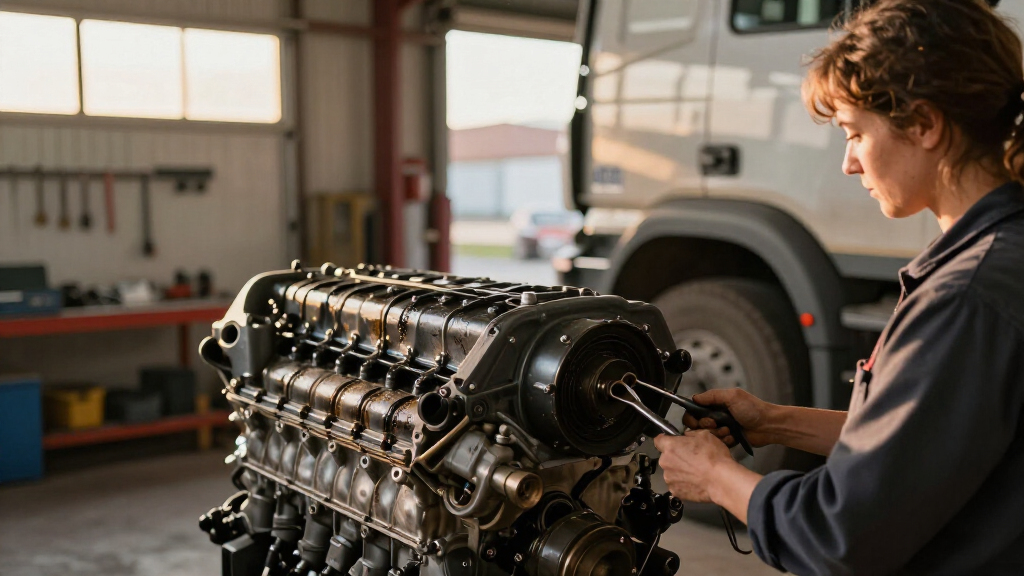
The engines included in this roundup were evaluated based on a combination of performance metrics, build quality, technological features, and versatility. Priority was given to engines with proven durability in heavy-duty applications, as well as those offering advanced fuel-saving or emissions-reducing features. We also considered maintenance complexity and cost, ensuring each option provides a realistic value proposition for different types of truck owners. The ranking reflects a balance between raw power, efficiency, and long-term reliability, helping buyers identify engines suited to various operational demands.Factors to Consider When Choosing Best Diesel Truck Engines
Choosing the best diesel truck engine involves more than comparing horsepower figures. It’s important to consider your typical workload, maintenance requirements, and future needs. The right engine should match your vehicle’s intended use, whether for hauling heavy loads, daily commuting, or long-distance travel. Additionally, factors such as fuel efficiency, emissions compliance, and available technology can significantly influence total ownership costs and ease of use. Being aware of these broader considerations helps prevent common pitfalls like overpaying for features you don’t need or selecting an engine incompatible with your vehicle.Performance and Power Output
Understanding an engine’s horsepower and torque ratings helps match it to your workload. Heavy-duty hauling demands high torque, while daily driving benefits from a balance of power and fuel economy. Don’t overlook how turbocharging and direct injection can boost efficiency without sacrificing performance. Keep in mind that more power often means higher maintenance costs, so align your needs with the engine’s capabilities to avoid overspending on unnecessary power features.
Fuel Efficiency and Operating Costs
Fuel economy is a critical factor for long-term ownership costs. Engines with advanced fuel injection and turbocharging tend to deliver better mileage, but sometimes at a higher initial cost. Consider the availability of diesel fuel and regional emissions regulations, which can impact engine choice. Also, evaluate the expected maintenance costs—more complex systems might require more frequent servicing or specialized parts, influencing your total cost of ownership.
Durability and Reliability
Durability is paramount in diesel engines, especially for commercial or heavy-duty use. Look for engines with proven track records in similar applications, and consider the reputation of the manufacturer. Features like cast iron blocks and high-quality turbo components can extend engine life. However, more durable engines often come with higher upfront costs, so balance durability with your budget and expected usage to make an informed decision.
Emissions and Regulatory Compliance
Emissions standards are tightening worldwide, impacting engine options. Some engines incorporate advanced emissions control systems, which can add complexity but ensure compliance and reduce environmental impact. If your operation is subject to strict regulations, verify that the engine meets regional standards like EPA or Euro emissions requirements. Non-compliance can lead to penalties or restrictions, so factor this into your long-term planning.
Maintenance and Serviceability
Regular maintenance is vital for diesel engine longevity. Choose engines with accessible components and clear service pathways. Consider the availability of parts and qualified technicians in your area; some engines may require specialized servicing, increasing downtime and costs. While more sophisticated systems can offer improved performance, they might also demand more routine checks and repairs, which should be factored into your total cost estimate.
Frequently Asked Questions
How do I determine which diesel engine is best for my truck’s workload?
Matching an engine to your workload involves assessing your typical hauling or driving demands. For heavy-duty towing or frequent high-load use, prioritize engines with higher torque ratings and proven durability. For lighter daily use or fuel savings, engines emphasizing efficiency and moderate power may be more suitable. Always consider your truck’s size and compatibility, and consult manufacturer guidelines to ensure optimal engine selection for your specific needs.
Are newer diesel engines more reliable than older models?
Generally, advancements in diesel technology have improved reliability through better materials, more precise fuel systems, and enhanced emissions controls. Newer engines often incorporate electronic management systems that optimize performance and maintenance alerts. However, the complexity of these systems can sometimes increase repair costs. Balancing the benefits of newer technology with the availability of parts and service expertise is key to ensuring long-term reliability.
What maintenance should I expect with a modern diesel engine?
Modern diesel engines require routine checks of oil, filters, and turbo systems, along with periodic fuel system inspections. Maintenance intervals are typically longer than older models, thanks to improved materials and design. However, advanced emissions control devices, such as DEF systems, add extra steps to maintenance routines. Staying on top of scheduled service and using quality parts are essential for maximizing engine lifespan and avoiding costly repairs.
Is it worth paying more for a turbocharged diesel engine?
Turbocharged engines often deliver higher power and better fuel economy, making them appealing for demanding workloads. The tradeoff is that turbo systems can add complexity, leading to potentially higher repair costs if issues develop. For frequent heavy-duty use or when maximum performance is needed, investing in a turbocharged engine can be worthwhile. However, for light-duty or infrequent use, a naturally aspirated engine might be more cost-effective and simpler to maintain.
How important is emissions compliance when choosing a diesel engine?
Emissions regulations are increasingly strict, influencing engine design and availability. Choosing an engine that complies with regional standards helps avoid legal issues and potential penalties. Non-compliance can also restrict your ability to operate in certain areas or require costly retrofits. Therefore, verifying that your engine meets current standards should be a priority, especially if you plan to operate in multiple regions or in commercial fleets.
Conclusion
For buyers seeking the best overall diesel engine, the AVCR 1360-2 High Specific Output Variable Compression Ratio Diesel Engine offers a compelling mix of efficiency and innovative technology. If you prioritize value, the Isuzu 5.8L Direct Injection Diesel Engine provides reliable performance at a more accessible price point. Those looking for a premium option should consider engines with advanced emissions systems and higher power output, like some of the larger Detroit Diesel models. Beginners or light-duty users will benefit from simpler, proven designs, while heavy-duty operators should focus on durability and torque. Tailor your choice to your specific operational needs to ensure long-term satisfaction.
Fall Picks
fall essentials
As an affiliate, we earn on qualifying purchases.