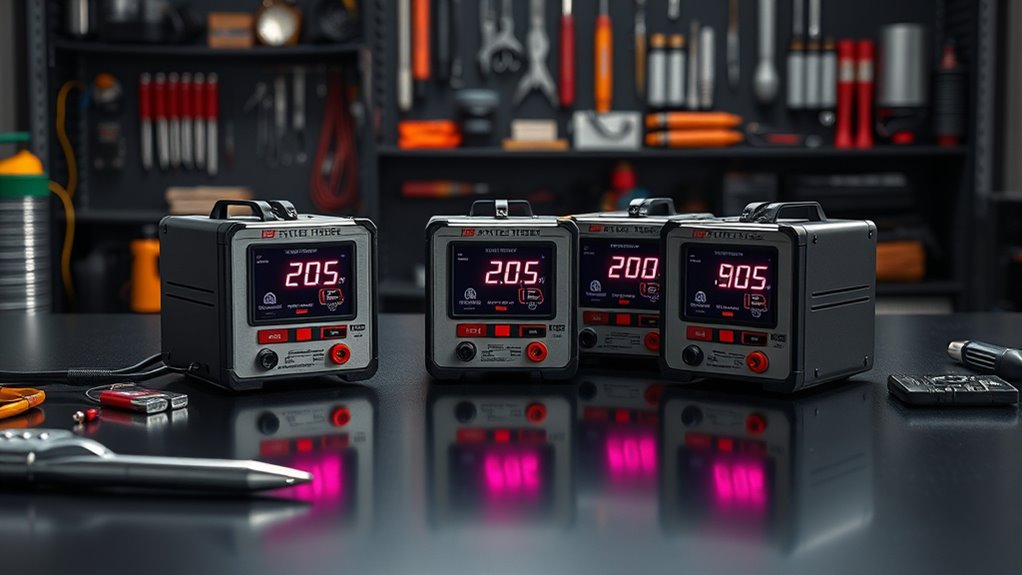

When it comes to maintaining reliable vehicle batteries, choosing the right battery load tester can make all the difference. The Clore Automotive Solar 1876 stands out as the best overall, thanks to its robust carbon pile design and high current capacity. Meanwhile, the KONNWEI KW208 offers a versatile system analysis that’s ideal for ongoing diagnostics, and the Battery Tender Load Tester provides a straightforward experience for DIY enthusiasts. The main challenge in this category is balancing accuracy, durability, and ease of use—more advanced models tend to cost more but offer better performance, while simpler testers might lack precision. Keep reading for a detailed breakdown of these options and how to choose the best fit for your needs.

Get business pricing on garage and car supplies
- Business-only prices and quantity discounts
- Tax-exempt purchasing
- Multiple users, one account, clear invoices
Key Takeaways
- Higher amperage testers like the Clore Automotive Solar 1876 excel in heavy-duty applications but come at a higher price point.
- Versatile testers such as the KONNWEI KW208 combine system analysis with load testing for a comprehensive diagnostic approach.
- Budget-friendly options like the Battery Tender Load Tester still deliver reliable results for everyday use but may lack advanced features.
- Ease of use varies significantly; models with clear digital displays and simple alligator clips are better suited for beginners.
- Build quality and durability are critical, especially for testers used in professional or outdoor environments, where heavier models tend to last longer.
| Clore Automotive Solar 1876 1000 Amp Carbon Pile Battery Load Tester |  | Best Overall for Professional-Grade Testing | Operating Voltage: 6/12/24 Volt | Cable Reach: 56 Inches | Load Capacity: 1000 Amps | VIEW ON AMAZON | See Our Full Breakdown |
| Battery Load Tester 12V/24V Automotive Car Battery and Alternator Tester BT300 |  | Best for Quick, Versatile Automotive Diagnostics | Voltage Compatibility: 12V/24V | Battery Types Supported: Lead-acid, AGM, Gel | CCA Range: 20-2000 CCA | VIEW ON AMAZON | See Our Full Breakdown |
| Car Battery Load Tester 6V-12V with Voltmeter & Alligator Clips |  | Best for Simple, Portable Battery Checks | Voltage Range: 6V-12V | Dimensions: 11.4 x 4.17 x 2.36 inches | Material: Iron and copper | VIEW ON AMAZON | See Our Full Breakdown |
| Car Battery Tester 6V 12V 24V VDIAGTOOL BT500, 5-3000 CCA Battery Load Tester for Automotive and Marine |  | Best for Comprehensive, Multi-Voltage Diagnostics | Voltage Compatibility: 6V, 12V, 24V | Supported Battery Types: Flooded, AGM flat, AGM spiral, GEL, EFB | CCA Range: 5-3000 CCA | VIEW ON AMAZON | See Our Full Breakdown |
| Neiko 40510A Car Battery Tester | 100 AMP 6 and 12 Volt Automotive Load Checker | CCA Analyzer |  | Best for Portable, Basic Load Testing | Power Source: Battery Powered | Minimum Operating Voltage: 6 Volts | Measurement Type: Ammeter | VIEW ON AMAZON | See Our Full Breakdown |
| KONNWEI KW208 12V Car Battery Tester, Automotive Load & System Analyzer |  | Best Overall for Versatile, Accurate System Analysis | Battery Voltage: 12V | Testing Range: 100-2000 CCA | Battery Types: Flooded, AGM flat, AGM spiral, Gel | VIEW ON AMAZON | See Our Full Breakdown |
| Battery Tender Battery Load Tester 12V/6V, 100A/50A Battery Health Checker |  | Best for Simplicity and Versatile Battery Testing | Voltage Compatibility: 12V and 6V | Load Testing Capacity: 100A for 12V, 50A for 6V | Suitable For: Automotive, Marine, Power Sport, RV | VIEW ON AMAZON | See Our Full Breakdown |
| ANCEL BA101 Car Battery Tester, 12V Digital Automotive Alternator Meter Diagnostic Tool, 100-2000 CCA Load Capacity |  | Best for Digital Diagnostics and Accurate Battery Assessment | Power Source: Battery powered | Measurement Type: Battery Capacity and Performance | Range: 100-2000 CCA | VIEW ON AMAZON | See Our Full Breakdown |
| OTC 3181 130 Amp Heavy-Duty Battery Load Tester |  | Best for Rapid, Heavy-Duty Testing in Professional Settings | Amperage: 130 Amp | Voltage Range: 0-16 volts | Battery Compatibility: 6V and 12V | VIEW ON AMAZON | See Our Full Breakdown |
| TOPDON BT200 Car Battery and Alternator Tester 12V/24V |  | Best for Multi-Voltage, Professional-Grade Diagnostics | Power Source: Battery powered | Minimum Operating Voltage: 12 Volts | Upper Temperature Rating: 60°C | VIEW ON AMAZON | See Our Full Breakdown |
| TOPDON BT100 Car Battery Tester 12V Load Tester, 100-2000 CCA Automotive Alternator Analyzer |  | Best Overall | Voltage: 12V | CCA Range: 100-2000 CCA | Compatible Battery Types: Flooded, AGM, EFB, GEL | VIEW ON AMAZON | See Our Full Breakdown |
| Battery Load Tester for 6V and 12V Automotive Batteries | 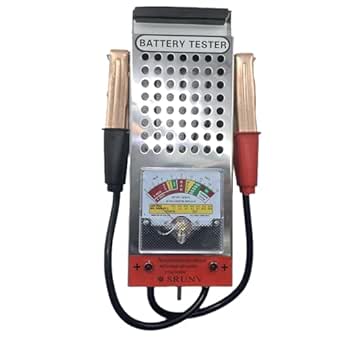 | Best for Portability and Versatile Use | Power Source: Battery Powered | Minimum Operating Voltage: 6 Volts | Measurement Type: Voltmeter | VIEW ON AMAZON | See Our Full Breakdown |
| Schumacher Electric 100A Car Battery Load Tester and Voltmeter |  | Best for Durability and Simplicity | Battery Compatibility: 6V and 12V | Max Cranking Amps: 1000 | Load Test Current: 50A for 6V, 100A for 12V | VIEW ON AMAZON | See Our Full Breakdown |
More Details on Our Top Picks
Clore Automotive Solar 1876 1000 Amp Carbon Pile Battery Load Tester
This load tester stands out for its variable load capacity up to 1000 amps, making it ideal for comprehensive automotive diagnostics. Unlike smaller, handheld options like the Neiko 40510A, it supports testing batteries up to 2000 CCA with large, easy-to-read gauges that ensure accuracy under demanding conditions. The heavy-duty clamps facilitate corrosion penetration, essential for maintaining reliable connections in tough environments. However, its weight and size make it less suited for frequent portability or DIY use. Compared to the more user-friendly BT300, this model prioritizes power and durability, which can be a tradeoff for less convenience. It’s best for professional garages or serious hobbyists who need high-capacity, flexible testing tools without concern for portability.
Pros:- Supports variable load up to 1000 amps for thorough testing
- Tests batteries up to 2000 CCA for high-capacity batteries
- Large, easy-to-read gauges for accurate readings
- Heavy-duty clamps capable of penetrating corrosion
Cons:- Heavy and cumbersome to handle, less portable
- Designed primarily for professional use, not ideal for casual users
Best for: Professional mechanics and automotive shops requiring heavy-duty, versatile testing capabilities.
Not ideal for: DIY enthusiasts or home users who prefer lightweight, easy-to-store testers for occasional use.
- Operating Voltage:6/12/24 Volt
- Cable Reach:56 Inches
- Load Capacity:1000 Amps
- Battery Testing Capacity:2000 CCA
Our verdict“This pick is best suited for professionals who need robust, high-capacity testing with minimal concern for portability.”
Battery Load Tester 12V/24V Automotive Car Battery and Alternator Tester BT300
The BT300 excels at supporting a wide variety of battery types, including lead-acid, AGM, and gel, making it more adaptable than the basic alligator clip models like the Neiko 40510A. Its quick 10-second diagnostics and backlit LCD screen deliver reliable results for both professionals and DIY users. While not compatible with 6V or lithium batteries, it’s well-suited for most modern vehicles, with software update capability that keeps it current. Compared with the more manual Car Battery Load Tester, the BT300 offers a more streamlined experience but at a slightly higher cost. This makes it ideal for users who want fast, accurate readings across multiple vehicle systems without sacrificing ease of use.
Pros:- Supports multiple battery types including AGM and gel
- Provides diagnostics in about 10 seconds for efficiency
- User-friendly backlit LCD with simple operation
- Supports software updates via USB
Cons:- Limited to 12V and 24V systems, not suitable for 6V or lithium batteries
- Requires connection to vehicle power, not rechargeable
Best for: Automotive professionals and serious DIYers needing fast, multi-battery support with future-proof features.
Not ideal for: Casual users or those working with non-automotive batteries, as it’s limited to 12V/24V systems and specific battery types.
- Voltage Compatibility:12V/24V
- Battery Types Supported:Lead-acid, AGM, Gel
- CCA Range:20-2000 CCA
- Display:Backlit LCD
- Power Source:Vehicle battery
- Software Update:Via USB
Our verdict“This tester is ideal for those who need quick, versatile diagnostics for modern automotive batteries and systems.”
Car Battery Load Tester 6V-12V with Voltmeter & Alligator Clips
This compact tester offers a straightforward approach with a color-coded display that clearly indicates battery health—normal, defective, or drained. It’s a step up in simplicity compared to the digital BT500, especially for users who prefer manual interpretation over digital readouts. Its durable iron casing and copper clips ensure reliable contact, making it suitable for testing a variety of vehicles across 6V and 12V systems. However, the lack of digital precision means it’s less suited for detailed diagnostics or professional use. The reliance on manual interpretation of color codes can introduce user error, especially in low-light conditions. Overall, this model makes the most sense for casual or DIY users who want a quick, portable check without fuss.
Pros:- Easy-to-read color-coded display for quick assessment
- Durable impact-resistant construction
- Portable size for on-the-go testing
- Supports 6V and 12V batteries
Cons:- Requires manual interpretation, prone to user error
- No digital readout of voltage or capacity
- Limited to 6V and 12V batteries only
Best for: DIY car owners and hobbyists seeking a simple, portable testing tool for basic battery health checks.
Not ideal for: Professional technicians or users needing detailed, precise measurements or digital readouts.
- Voltage Range:6V-12V
- Dimensions:11.4 x 4.17 x 2.36 inches
- Material:Iron and copper
- Temperature Support:Up to 48°C
Our verdict“This tester is perfect for casual users needing a simple, portable battery check without complex features.”
Car Battery Tester 6V 12V 24V VDIAGTOOL BT500, 5-3000 CCA Battery Load Tester for Automotive and Marine
The BT500 offers broad compatibility, testing batteries from 5 to 3000 CCA across 6V, 12V, and 24V systems, making it highly versatile. Its digital display and advanced algorithms deliver precise diagnostics, surpassing manual or analog options like the Neiko 40510A. This model’s durability and safety features, including reverse polarity and short circuit protection, make it suitable for both professional shops and serious DIYers. The need to select the correct battery type for accurate results can be a slight inconvenience compared to the more automatic BT300. Still, its ability to analyze starters and alternators adds value for comprehensive system evaluation. It’s the right choice for those who demand high accuracy and multi-application support in a single device.
Pros:- Supports 6V, 12V, and 24V batteries with high accuracy
- Analyzes starter and alternator systems for comprehensive diagnostics
- Durable, shock-resistant construction with safety protections
- Easy-to-read digital display enhances clarity
Cons:- Requires correct battery type selection for accuracy
- Limited compatibility with lithium or deep-cycle batteries
- Higher price point compared to simpler testers
Best for: Experienced technicians and advanced DIYers needing detailed diagnostics for a wide range of vehicle batteries and systems.
Not ideal for: Casual users or hobbyists with limited familiarity with battery types, as correct setup is essential for accurate results.
- Voltage Compatibility:6V, 12V, 24V
- Supported Battery Types:Flooded, AGM flat, AGM spiral, GEL, EFB
- CCA Range:5-3000 CCA
- Protection Features:Reverse polarity, short circuit
- Display:Digital
- Body Material:Shock-resistant ABS
Our verdict“This device is best suited for users needing precise, multi-voltage diagnosis with advanced safety features and system analysis.”
Neiko 40510A Car Battery Tester | 100 AMP 6 and 12 Volt Automotive Load Checker | CCA Analyzer
The Neiko 40510A provides a straightforward, portable solution for testing 6V and 12V automotive batteries, with a protected analog meter that indicates battery condition. It’s notably less feature-rich than the BT500, but its simplicity and durability make it well-suited for quick DIY diagnostics. The load switch and copper clamps ensure reliable contact, but manual operation means it requires user interpretation and a basic understanding of battery health. Unlike digital testers, it offers no precise voltage or capacity readings, which can limit its usefulness for detailed diagnostics. Still, for casual users who prefer a no-fuss, on-the-spot check, this device offers a practical balance of ease and reliability.
Pros:- Portable and lightweight for on-the-go use
- Provides a clear analog indication of battery health
- Durable construction with copper clamps
- Supports 6V and 12V batteries
Cons:- Limited to 10-second testing cycles, less for repeated diagnostics
- Requires manual operation and interpretation
- No digital or detailed voltage measurement
Best for: Car owners and hobbyists seeking a lightweight, easy-to-operate load tester for routine battery checks.
Not ideal for: Professional technicians or those needing detailed, digital measurements or testing beyond 12V systems.
- Power Source:Battery Powered
- Minimum Operating Voltage:6 Volts
- Measurement Type:Ammeter
- Style:Car Battery Tester
- Color:Black
- Warranty & Support:Amazon.com Return Policy
Our verdict“This device is best for DIY users who want quick, simple load testing with minimal fuss and maximum portability.”
KONNWEI KW208 12V Car Battery Tester, Automotive Load & System Analyzer
The KONNWEI KW208 stands out as the most comprehensive option for those who want quick, reliable insights into both battery health and vehicle charging systems. Its >99.7% accuracy and support for multiple battery types make it ideal for users who need detailed diagnostics without complex procedures. Unlike the simpler ANCEL BA101, which focuses solely on battery capacity, the KW208 also tests alternator and starter conditions, making it more versatile. However, its limitation to 12V batteries and the absence of beginner-friendly instructions mean it’s better suited for experienced users or professionals. The plug-and-play design ensures straightforward operation, but the need for physical connection may be less convenient for quick checks on the go.
Pros:- High testing accuracy (>99.7%) for reliable results
- Supports multiple battery types and system tests
- Quick, easy plug-and-play operation
Cons:- Limited to 12V batteries only, reducing versatility for larger vehicles
- No detailed instructions included, which may challenge beginners
Best for: Auto repair shops, professional technicians, and experienced vehicle owners needing detailed system diagnostics.
Not ideal for: Casual users or beginners seeking a simple, all-in-one starter solution, as the device requires some familiarity with vehicle systems and physical testing.
- Battery Voltage:12V
- Testing Range:100-2000 CCA
- Battery Types:Flooded, AGM flat, AGM spiral, Gel
- Accuracy:>99.7%
- Language Support:Up to 8 languages
- Operation:Plug-and-play
Our verdict“This is the best choice for those who need a highly accurate, multi-system diagnostic tool and are comfortable with vehicle testing procedures.”
Battery Tender Battery Load Tester 12V/6V, 100A/50A Battery Health Checker
Compared with the KONNWEI KW208, the Battery Tender Load Tester emphasizes straightforward manual testing with a clear, color-coded display. It excels in providing quick assessments for a variety of 12V and 6V batteries across automotive, marine, and RV applications, making it ideal for users who prefer tactile, visual confirmation over digital diagnostics. Its safety features, like insulated handles and heavy-duty clamps, benefit those working in rough environments or with large batteries. The tradeoff comes in its lack of digital memory or automated features, which limits its use for detailed diagnostics or record-keeping. For users needing rapid, physical testing without complex interfaces, this model offers a compelling balance of safety and simplicity.
Pros:- Simple, clear operation with color-coded display
- Suitable for multiple vehicle types including marine and RV
- Heavy-duty, insulated clamps with safety handles
Cons:- Limited to 12V and 6V batteries, reducing flexibility for larger systems
- No digital or automated testing features, requiring manual interpretation
Best for: DIY enthusiasts, boat owners, and RV users who want a reliable, easy-to-operate load tester with minimal fuss.
Not ideal for: Professional technicians or users seeking detailed digital reports, as it lacks advanced data logging or automation.
- Voltage Compatibility:12V and 6V
- Load Testing Capacity:100A for 12V, 50A for 6V
- Suitable For:Automotive, Marine, Power Sport, RV
- Features:Safety rubber handle, color-coded clamps
Our verdict“This model offers straightforward, safe testing ideal for hobbyists and small-scale applications, though it lacks advanced diagnostics.”
ANCEL BA101 Car Battery Tester, 12V Digital Automotive Alternator Meter Diagnostic Tool, 100-2000 CCA Load Capacity
The ANCEL BA101 offers a digital approach to battery testing, making it a strong choice for users who prefer precise, easy-to-read results. Its ability to quickly measure battery health, voltage, and system performance surpasses basic manual testers like the TOPDON BT100, especially for those who want clear diagnostics without interpreting analog gauges. However, its exclusive focus on 12V batteries limits its use for larger or non-standard systems, and user error can occur if the battery type or rating isn’t correctly inputted. This device makes sense for vehicle owners who value detailed, digital feedback but are comfortable with inputting configuration data accurately.
Pros:- Provides accurate, comprehensive digital diagnostics
- Easy to operate with a clear display and single-handed use
- Built-in protective features for safe testing
Cons:- Limited to 12V batteries, reducing versatility
- Requires correct input of battery type and rating for accurate results
Best for: Car owners, RV owners, and small workshop users who need quick, digital battery health checks with minimal hassle.
Not ideal for: Users with non-12V systems or those seeking advanced features like data logging or multi-battery diagnostics, as it’s quite basic in scope.
- Power Source:Battery powered
- Measurement Type:Battery Capacity and Performance
- Range:100-2000 CCA
- Weight:5 ounces
- Dimensions:9.5 x 7 x 2 inches
- Temperature Rating:140°F
Our verdict“This is a strong pick for those who want precise digital diagnostics for 12V batteries in a straightforward package.”
OTC 3181 130 Amp Heavy-Duty Battery Load Tester
Compared to more compact testers like the TOPDON BT200, the OTC 3181 focuses on speed and durability for heavy-duty applications. Its 130A capacity and large display enable quick, reliable testing of both 6V and 12V batteries, making it suitable for workshops and fleet maintenance. While it doesn’t feature digital memory or advanced diagnostics, its simplicity and rapid results—just 10 seconds—make it ideal for high-volume environments. The tradeoff is that it’s less portable and lacks detailed data, which might be a drawback for those wanting to track battery performance over time. It’s a dependable choice for quick, robust testing in demanding settings.
Pros:- Provides test results in just 10 seconds
- Heavy-duty, ergonomic clamps for secure connection
- Large, easy-to-read voltage display
Cons:- Limited to 6V and 12V batteries, no support for larger systems
- No digital memory or advanced features for record-keeping
Best for: Auto repair shops, fleet operators, and professionals needing rapid, heavy-duty battery assessments.
Not ideal for: Casual car owners or hobbyists, as it’s bulkier and designed for frequent, intensive use rather than simple checks.
- Amperage:130 Amp
- Voltage Range:0-16 volts
- Battery Compatibility:6V and 12V
Our verdict“This is the ideal choice for professionals who need fast, reliable testing in demanding environments, sacrificing digital complexity for durability and speed.”
TOPDON BT200 Car Battery and Alternator Tester 12V/24V
The TOPDON BT200 broadens the scope beyond basic load testing, accommodating both 12V and 24V systems with a versatile 3-in-1 diagnostic approach. Its lab-grade accuracy and ability to diagnose battery, cranking, and charging conditions make it a more comprehensive tool than the KONNWEI KW208, especially for users managing larger vehicles or fleets. Its durability in extreme temperatures and sunlight-readable display are advantages in professional or outdoor environments. The main tradeoff is its higher complexity; it requires some familiarity to operate optimally. This pick is best for users who need detailed, accurate diagnostics across different systems and voltages, rather than quick, casual tests.
Pros:- High accuracy for both 12V and 24V systems
- 3-in-1 diagnostics for battery, cranking, and charging
- Durable, sunlight-readable display for outdoor use
Cons:- Requires some technical knowledge for optimal use
- No included carrying case, which reduces portability
Best for: Fleet managers, automotive technicians, and experienced vehicle owners needing versatile, high-precision diagnostics for multiple vehicle types.
Not ideal for: Beginners or casual users who prefer simple, plug-and-play testers, as its features can be overwhelming without some technical knowledge.
- Power Source:Battery powered
- Minimum Operating Voltage:12 Volts
- Upper Temperature Rating:60°C
- Measurement Type:Voltmeter, Ammeter
- Compatible Devices:Vehicles and equipment with 12V or 24V batteries
- Item Weight:15.52 ounces
Our verdict“This device suits professionals and experienced users requiring detailed diagnostics across multiple voltages and vehicle types, with a focus on accuracy and durability.”
TOPDON BT100 Car Battery Tester 12V Load Tester, 100-2000 CCA Automotive Alternator Analyzer
The TOPDON BT100 stands out as the best choice for those who want a comprehensive yet portable battery testing solution. Its ability to measure SOH, SOC, voltage, and current provides a clearer picture of battery health than simpler testers like the Schumacher 100A, which mainly assesses load capacity. Compared to the Battery Load Tester for 6V and 12V Batteries, the BT100’s detailed analysis helps users make more informed decisions, though it is limited to 12V batteries and a CCA range of 100-2000. Its compatibility with various chemistries and vehicle types enhances its versatility, while its compact size makes it convenient for on-the-go diagnostics. However, proper attachment is essential for accurate results, and it cannot test batteries outside its specified CCA range. Overall, this pick is ideal for drivers who need reliable, detailed data without complex setup, but it may not suit those with non-12V systems or very high capacity batteries.
Pros:- Provides comprehensive battery health and system analysis
- Compatible with multiple vehicle types and battery chemistries
- Compact design for easy storage and transport
Cons:- Limited to 12V batteries only, restricting broader use
- Requires proper attachment for accurate readings
- Does not test batteries outside the 100-2000 CCA range
Best for: Car, truck, motorcycle, and boat owners who want detailed battery diagnostics in a compact form.
Not ideal for: Users with 24V systems or batteries exceeding 2000 CCA, as the device isn’t designed for higher voltages or capacities.
- Voltage:12V
- CCA Range:100-2000 CCA
- Compatible Battery Types:Flooded, AGM, EFB, GEL
- Power Source:Battery-powered (no external power needed)
Our verdict“This device is best suited for users seeking detailed, versatile diagnostics for 12V automotive and marine batteries.”
Battery Load Tester for 6V and 12V Automotive Batteries
This portable load tester excels in testing both 6V and 12V batteries across a variety of vehicles, from cars to boats. Its straightforward voltmeter measurement and ability to simulate starter drain make it a practical choice for quick assessments. Unlike the TOPDON BT100, which offers detailed analysis, this device focuses on load capacity, making it less ideal for diagnosing complex battery issues. Its compact size and insulated handles enhance portability, but the need to hold the load for up to 10 seconds can be inconvenient during frequent testing. The lack of a digital display means users must interpret analog readings, which could lead to inaccuracies for some. This tester is perfect for those who need a lightweight, quick check rather than in-depth diagnostics, but it might fall short for users wanting detailed battery analysis or testing beyond 12V and 6V.
Pros:- Highly portable and easy to carry
- Tests both 6V and 12V batteries effectively
- Includes safety features like insulated handles
Cons:- Requires holding the load for up to 10 seconds, which may be tiring
- No digital readout or detailed data, relying on analog gauge
- Limited to only 6V and 12V batteries, restricting broader use
Best for: Motorcycle, ATV, and small boat owners who need a simple, portable testing tool for 6V and 12V batteries.
Not ideal for: Users requiring detailed battery health reports or testing for batteries outside the 6V/12V range, as it lacks advanced analysis features.
- Power Source:Battery Powered
- Minimum Operating Voltage:6 Volts
- Measurement Type:Voltmeter
- Fixed Load Current:100 A
- Load Test for 12V Battery:100 A up to 1000 CCA
- Load Test for 6V Battery:50 A up to 1000 CCA
Our verdict“Ideal for owners of smaller vehicles or boats who need quick, portable load testing without detailed analysis.”
Schumacher Electric 100A Car Battery Load Tester and Voltmeter
The Schumacher Electric 100A offers a straightforward approach for testing 6V and 12V batteries, with a robust steel case and simple operation via a top-mounted rocker switch. Its ability to handle up to 1000 cranking amps makes it suitable for a wide range of vehicles, from small cars to larger trucks. Compared to the TOPDON BT100, it lacks detailed analysis but excels in durability and ease of use, especially for those who prefer a no-fuss testing process. Initial use may produce some smoke or a burning smell, which is normal and indicates proper startup; however, this might concern some users. The setup process is minimal, but testing is limited to batteries with up to 1000 cranking amps. Its heavy-duty construction makes it a reliable choice for workshops or frequent testing needs, though it may be overkill for occasional users or those seeking digital results.
Pros:- Durable, steel construction for long-term use
- Easy to operate with a simple switch
- Suitable for a wide range of batteries up to 1000 cranking amps
Cons:- Initial use may emit smoke or burning smell, which could alarm some users
- Limited to batteries up to 1000 cranking amps
- No digital interface or detailed diagnostics
Best for: DIY mechanics or small repair shops needing a rugged, reliable load tester for various 6V and 12V batteries.
Not ideal for: Home users who prefer digital displays or need testing for batteries exceeding 1000 cranking amps, as this device is more basic and durable than feature-rich.
- Battery Compatibility:6V and 12V
- Max Cranking Amps:1000
- Load Test Current:50A for 6V, 100A for 12V
- Construction:Steel case with baked enamel
Our verdict“This load tester is best suited for users valuing rugged durability and simplicity over detailed analysis or digital features.”

How We Picked
In selecting these battery load testers, I focused on key factors that influence real-world performance and user experience. Performance criteria included testing capacity, accuracy, and versatility, ensuring each model could handle different battery types and sizes. Usability considerations covered clarity of displays, simplicity of operation, and safety features, which are essential for both novices and professionals. Build quality and durability were evaluated to ensure longevity under frequent use. Value was also a critical factor; I balanced price against features to identify models that offer solid performance without unnecessary expense. The ranking reflects a combination of these factors, favoring devices that deliver reliable testing, ease of use, and durability for a range of users.Factors to Consider When Choosing Battery Load Testers
Choosing the right battery load tester involves understanding your specific needs and the features that matter most. Beyond basic load capacity, consider how user-friendly a tester is, whether it offers system diagnosis, and how durable it feels in your hands. Buying the most expensive option isn’t always necessary; instead, focus on matching features with your intended use—whether for occasional DIY testing or professional diagnostics. Understanding these factors helps avoid common pitfalls like underestimating the importance of safety features or overpaying for unnecessary functions.Load Capacity and Compatibility
The primary function of a load tester is to simulate the demands a battery faces during engine start-up. Look for a model with sufficient amperage capacity to handle your battery size—most automotive batteries require 100-2000 CCA (Cold Cranking Amps). Make sure the tester supports your battery voltage, typically 12V, but some models also cater to 6V or 24V systems. Choosing a device with adjustable load settings allows for more precise testing across different battery types, avoiding false negatives or positives.
Ease of Use and Display
Ease of operation is vital, especially if you’re not a professional. Digital displays with clear readings simplify the process, reducing the chance of errors. Alligator clips should be robust and easy to attach securely. Some testers include integrated voltmeters or system analyzers, which provide additional diagnostic insights without extra effort. Simpler models with manual dials or basic indicators can work well for occasional use but may lack the precision or clarity needed for regular diagnostics.
Durability and Build Quality
Battery load testers often get used in rough environments, so durability is a key consideration. Heavy-duty models with metal housings and reinforced clips tend to withstand more frequent handling and outdoor conditions. Cheaper plastic models might suffice for light, infrequent use but can break or degrade quickly. Consider how often you plan to test and the environment—investing in a sturdy, well-built device pays off long-term by reducing repair or replacement costs.
Additional Features and Versatility
Some testers offer extra features like alternator testing, system analysis, or compatibility with marine and RV batteries. These can add value if you need a multi-purpose diagnostic tool. However, extra features often increase cost and complexity; assess whether they align with your actual needs. For casual users, basic load testing with straightforward readings is usually enough, while professionals benefit from multi-function devices that can diagnose various electrical issues.
Price and Value
Price varies widely in this category, from budget models to high-end professional tools. While paying more generally yields better durability and accuracy, not everyone needs the most advanced features. Balance your budget with your testing frequency and required precision. For occasional use, a mid-range model offers good value, whereas frequent or professional testing justifies investing in higher-end units with superior build quality and diagnostic capabilities.
Frequently Asked Questions
Can I use a simple multimeter instead of a load tester?
A multimeter can measure voltage and help diagnose some battery issues, but it doesn’t simulate real-world load conditions. A load tester applies a controlled load to the battery, revealing its true capacity and health, especially under stress. Without load testing, you might miss problems like a battery that only fails under high current draw. For accurate diagnostics, a dedicated load tester provides more reliable and actionable results.
Is a digital load tester better than an analog one?
Digital load testers generally offer clearer, more precise readings and often include additional diagnostic features, making them easier to use, especially for beginners. Analog testers, with their simple dials, are typically more rugged and less prone to electronic failure, but they require more interpretation and experience to read accurately. Your choice depends on your comfort with digital devices and whether you value additional features over straightforward simplicity.
How often should I test my vehicle’s battery?
Regular testing every 6 to 12 months is a good practice, especially before long trips or during seasonal changes. Batteries degrade over time, and early detection of issues can prevent unexpected failures. If you notice slow engine starts, dimming lights, or other electrical problems, testing immediately can help determine if replacement is needed. Using a reliable load tester ensures you get an accurate assessment of your battery’s current condition.
Are high-amperage testers necessary for all vehicles?
Most standard automotive batteries are adequately tested with 100-2000 CCA capacity, which suits typical cars and light trucks. High-amperage testers are more relevant for heavy-duty or commercial applications, such as large trucks or industrial equipment, where batteries are larger and require more robust testing. For everyday passenger vehicles, a mid-range load tester often provides sufficient accuracy without the added cost of industrial-grade equipment.
What safety features should I look for in a load tester?
Safety features like insulated clips, overload protection, and automatic shutoff are important to prevent electrical mishaps. A tester with a clear, non-slip grip and sturdy construction reduces the risk of accidents during operation. Additionally, models with easy-to-read displays help prevent misinterpretation of results, which can lead to unnecessary handling or testing errors. Prioritizing safety features is especially vital if multiple users or less experienced individuals will operate the device.
Conclusion
For most hobbyists and occasional testers, the Battery Tender Load Tester offers reliable performance with straightforward operation. If you need a versatile, all-in-one system that can handle various diagnostics, the KONNWEI KW208 makes a compelling choice. Professionals or heavy-duty users should consider the Clore Automotive Solar 1876 for its high capacity and durability, while budget-conscious buyers can find solid value with models like the Neiko 40510A. Ultimately, choosing the right tester depends on your specific testing needs, budget, and experience level.Halloween Picks
halloween
As an affiliate, we earn on qualifying purchases.