
TL;DR

Get business pricing on garage and car supplies
- Business-only prices and quantity discounts
- Tax-exempt purchasing
- Multiple users, one account, clear invoices
Porsche is reportedly implementing weight reduction strategies by modifying its sound systems. This trend reflects a broader focus on vehicle efficiency. Details are still emerging, and the full scope of changes remains unclear.
Porsche is exploring new methods to reduce vehicle weight, including modifications to its sound systems, according to industry sources. This development is part of the automaker’s broader efforts to enhance vehicle performance and efficiency, especially as consumer and regulatory pressures increase for lighter, more fuel-efficient vehicles.
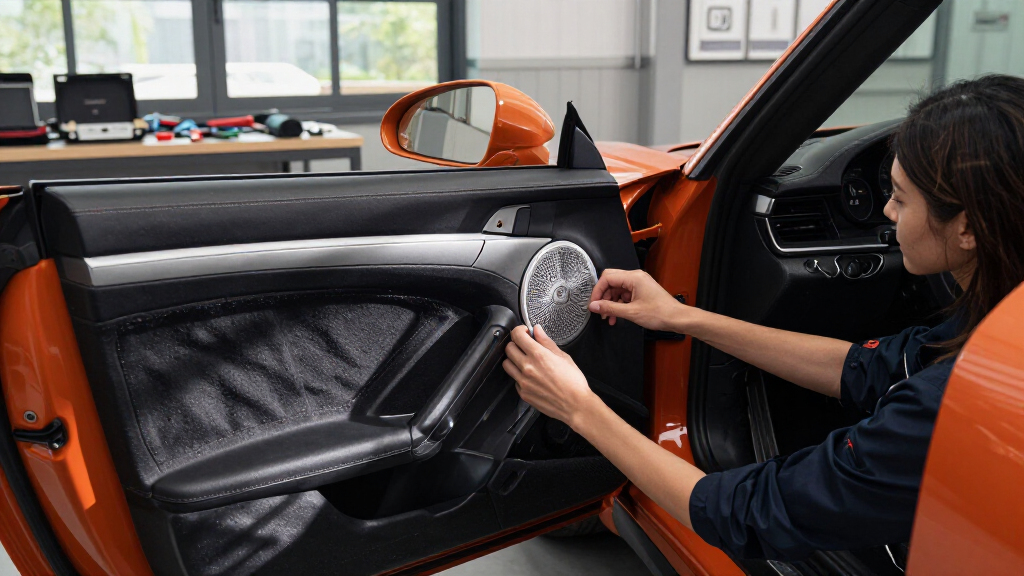
Sources familiar with Porsche’s engineering initiatives indicate that the company is testing lighter sound system components across several models. These modifications involve replacing traditional speakers and amplifiers with lighter alternatives, which could contribute to overall weight savings of several kilograms per vehicle.
This trend appears to be part of a larger industry movement toward weight reduction, driven by the desire to improve acceleration, handling, and fuel economy. Porsche has not officially confirmed these changes, but internal documents and patent filings suggest ongoing research into lightweight audio components.
Automotive experts note that sound systems are a significant but often overlooked part of vehicle weight, especially in high-performance cars where every kilogram counts. The move to lighter sound systems may also align with Porsche’s push toward electrification, where reducing weight is critical for extending driving range.
Why Weight Reduction in Sound Systems Matters for Porsche
This development is significant because it highlights Porsche’s commitment to improving vehicle efficiency through innovative engineering solutions. Lighter sound systems can contribute to better acceleration and handling, especially in performance models. Additionally, as automakers transition to electric vehicles, reducing weight in all components becomes increasingly vital for extending range and meeting regulatory standards.
For consumers, these changes could mean vehicles that are not only faster and more agile but also more energy-efficient. The trend may also influence other luxury and performance brands to pursue similar lightweighting strategies, potentially reshaping standards in automotive design.
As an affiliate, we earn on qualifying purchases.
Industry Trends Toward Lighter Vehicle Components
Over the past decade, automakers have increasingly focused on reducing vehicle weight to meet stricter emissions standards and improve performance. This has led to innovations such as using aluminum, carbon fiber, and advanced composites in body panels and structural components.
Within this context, internal vehicle systems like sound equipment have also come under scrutiny. Traditionally, these systems are designed for optimal audio quality, often at the expense of added weight. Recent patent filings and prototype tests suggest that manufacturers are now exploring lighter alternatives to maintain performance while shedding pounds.
Porsche’s interest in lightweight sound systems aligns with broader industry efforts, including initiatives from brands like BMW and Tesla, which have also experimented with reducing weight in various vehicle components.
Extent and Timing of Porsche’s Sound System Changes
It is not yet clear how widespread these lightweight sound system modifications will be across Porsche’s model lineup or when they will be implemented in production vehicles. Details about the specific technologies or suppliers involved remain undisclosed. Additionally, Porsche has not officially announced any plans, and the current information is based on industry sources and patent filings, which may or may not lead to commercial adoption.
Monitoring Porsche’s Official Announcements and Industry Adoption
Next steps include watching for official statements from Porsche and updates on their model specifications. Automotive suppliers and aftermarket firms may also reveal developments related to lightweight audio components. Industry analysts will likely assess the impact of these changes on vehicle performance and weight reduction strategies across the sector.
Further testing and validation are expected before any new sound system components are rolled out in production models, possibly within the next model year or two, depending on the results of ongoing evaluations.
Key Questions
Why is Porsche focusing on lightweight sound systems?
Porsche aims to improve vehicle performance, handling, and fuel efficiency by reducing weight, especially as it transitions toward electric vehicles where weight savings directly impact range.
Will this change affect audio quality?
It is not yet clear, but manufacturers are likely to develop lighter components that maintain or even enhance audio quality while reducing weight.
Are other automakers also reducing weight in internal components?
Yes, industry trends show that many automakers are exploring lightweight materials and components across various systems to meet efficiency and performance goals.
When will these lightweight sound systems be available in Porsche vehicles?
There is no official timeline yet. The development and testing phases suggest potential rollout within the next one to two years, pending successful validation.
Could this lead to significant weight savings overall?
Potentially, as sound systems can contribute several kilograms per vehicle. Even small reductions can cumulatively improve overall vehicle dynamics and efficiency.
Source: rss
Halloween Picks
halloween
As an affiliate, we earn on qualifying purchases.