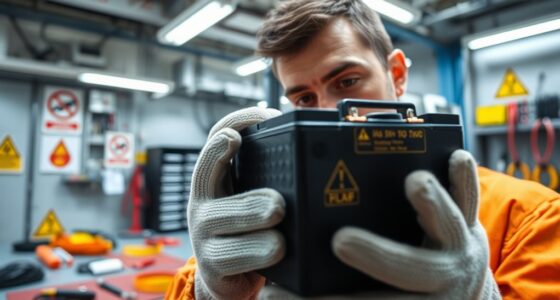

When servicing electric vehicles, you must wear high-voltage PPE to stay protected from electric shocks and arc flashes. This gear includes insulated gloves, dielectric boots, and face shields, all designed for the voltages you’ll encounter. Always inspect your PPE for damage before each use and make certain it fits properly. Following proper safety protocols is essential to prevent injuries. To learn detailed steps on maintaining and using high-voltage PPE effectively, keep exploring further.
Key Takeaways
- Always wear insulated gloves rated for the specific voltage level encountered during EV service.
- Inspect PPE, including gloves and sleeves, for damage or wear before each use.
- Follow manufacturer guidelines and safety protocols for proper PPE donning and usage.
- Use dielectric footwear and face shields when there’s a risk of arc flash or electric shock.
- Confirm the battery is isolated, de-energized, and discharged before starting work with high-voltage PPE.
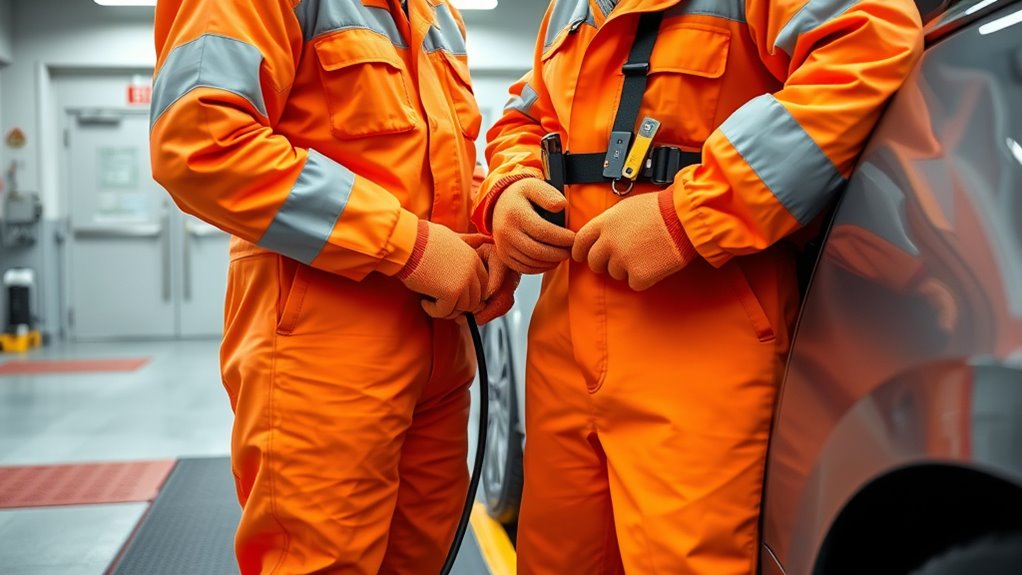
Working on electric vehicle (EV) service requires high-voltage personal protective equipment (PPE) to make certain your safety. This specialized gear is essential because EV batteries store substantial amounts of energy, and mishandling can lead to severe injuries or electrocution. Prioritizing battery safety is a critical step before performing any maintenance or repairs. You must verify the battery is properly isolated, de-energized, and discharged according to manufacturer guidelines. But even with battery disconnection, high-voltage PPE acts as a crucial barrier. It minimizes the risk of accidental contact with live components, giving you peace of mind as you work.
High-voltage PPE safeguards against electric shocks during EV service, even after battery disconnection.
Before starting any task, a thorough PPE inspection is a must. Check your gloves, sleeves, and insulating mats for cuts, tears, or punctures. Damaged PPE can compromise your protection, so replace any worn or compromised items immediately. Don’t forget to confirm the integrity of your insulating tools, such as voltage testers and pliers, to prevent unintended contact with high-voltage parts. Proper PPE inspection isn’t just a routine; it’s an essential safety measure that can prevent accidents caused by equipment failure. Also, inspect your protective clothing for cleanliness—dirt or grease can lessen its insulating properties, so keep everything in pristine condition.
When working around high-voltage components, always wear the appropriate PPE designed specifically for EV service. This includes insulated gloves rated for the voltage you’ll encounter, dielectric footwear, and face shields if there’s a risk of arc flash. Remember, PPE isn’t just about protection—it’s about confidence. When your gear is in top condition, you can focus on the task at hand without second-guessing your safety. Be mindful of your environment, ensuring that all PPE gear is correctly worn and fits snugly. Loose gloves or improperly worn sleeves can expose you to hazards.
Lastly, always follow manufacturer instructions and safety protocols for high-voltage PPE use. Proper training combined with diligent PPE inspection ensures you’re protected at every step. Your safety depends on your attentiveness to PPE condition and correct handling procedures. Working with EV batteries is inherently risky, but with the right high-voltage PPE, you’re considerably reducing potential hazards. Maintaining this discipline not only keeps you safe but also ensures your work is efficient and effective, giving you confidence that you’re doing everything possible to prevent accidents. Additionally, understanding the importance of high-voltage safety can significantly reduce risk during service tasks.

FOXWELL NT301 OBD2 Scanner Live Data Professional Mechanic OBDII Diagnostic Code Reader Tool for Check Engine Light
【Vehicle CEL Doctor】The NT301 obd2 scanner enables you to read DTCs, access to e-missions readiness status, turn off...
As an affiliate, we earn on qualifying purchases.
Frequently Asked Questions
How Often Should High-Voltage PPE Be Inspected and Replaced?
You should inspect your high-voltage PPE before each use, adhering to the inspection schedule specified by the manufacturer. Regular inspections ensure your PPE remains in good condition and can protect you effectively. Replace PPE promptly if it shows signs of damage, wear, or degradation, following the replacement criteria outlined in safety standards. This proactive approach keeps you safe when working with high-voltage systems, making certain your PPE provides reliable protection at all times.
Are There Specific PPE Requirements for Different EV Models?
Your safety is paramount, and yes, there are model-specific PPE requirements for different EV models. You must customize your PPE to match EV model variations because each vehicle’s high-voltage system can be as unique as a snowflake. Using the correct PPE ensures maximum protection, preventing electrical shock or burns. Always check manufacturer guidelines for specific PPE recommendations, and don’t forget to stay updated on any model-specific safety protocols.
Can High-Voltage PPE Be Used for Non-Ev Electrical Work?
Yes, high-voltage PPE can be used for non-EV electrical work, but only if it offers universal safety and is compatible with the specific PPE requirements of the task. You should always verify PPE standards and manufacturer guidelines before using high-voltage PPE outside EV service. This guarantees your safety remains a priority, and you comply with industry regulations, avoiding unnecessary risks during any electrical work.
What Are the Best Storage Practices for High-Voltage PPE?
Imagine the danger lurking in improper storage—you wouldn’t want your PPE compromised. You should store high-voltage PPE in a cool, dry, and clean environment, away from direct sunlight and chemicals. Proper storage safeguards PPE maintenance, prolongs its lifespan, and ensures safety when you need it most. Use designated, clearly labeled containers, inspect regularly, and avoid stacking or folding to prevent damage. This way, your PPE stays reliable and ready.
How Do Temperature and Environmental Conditions Affect PPE Safety?
Temperature effects and environmental conditions greatly impact PPE safety. Extreme heat can weaken PPE materials, reducing their insulation and protection, while cold temperatures may make PPE brittle or less flexible. Moisture, humidity, and exposure to chemicals or UV rays can degrade PPE over time, compromising safety. You should regularly inspect your PPE for damage, store it properly, and avoid using it in conditions outside the manufacturer’s recommended temperature and environmental limits to guarantee ideal protection.

FOXWELL Car Scanner NT604 Elite OBD2 Scanner ABS SRS Transmission, Check Engine Code Reader for Cars and Trucks, Diagnostic Scan Tool with SRS Airbag, Automotive Diagnostic Tool with Live Data
[Easy to Use—Work Out of the Box] + [FOXWELL 2026 New Version] FOXWELL NT604 Elite scan tool is...
As an affiliate, we earn on qualifying purchases.
Conclusion
Remember, wearing the right high-voltage PPE isn’t just about compliance—it’s about safety. Think of it as your shield against invisible dangers, like a knight donning armor before battle. When you’re working on EVs, trust that proper gear creates a barrier, turning a potential hazard into a manageable task. Stay vigilant and equipped; it’s your best defense against unseen risks, ensuring you return home safe after every service.

ANCEL AD310 Classic Enhanced Universal OBD II Scanner Car Engine Fault Code Reader CAN Diagnostic Scan Tool, Read and Clear Error Codes for 1996 or Newer OBD2 Protocol Vehicle (Black)
CEL Doctor: The ANCEL AD310 is one of the best-selling OBD II scanners on the market and is...
As an affiliate, we earn on qualifying purchases.
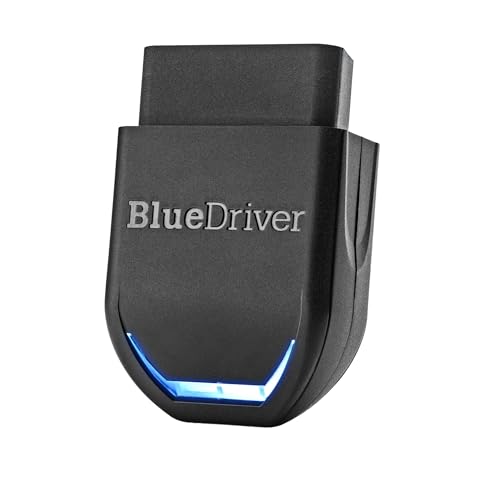
BlueDriver Pro Next Gen OBD2 Scanner – No Subscription, Bluetooth Car Code Reader for iPhone & Android – Diagnose 8000+ Issues, ABS SRS TPMS, Repair Reports, Vehicles 1996+
[Diagnose Like a Pro] BlueDriver Pro Next-Gen is a professional OBD2 scanner and diagnostic tool that helps you...
As an affiliate, we earn on qualifying purchases.