When your clutch shows signs like slipping, difficulty shifting, or a spongy pedal, it’s time for a replacement. The process involves removing the transmission to access the worn clutch components, such as the disc, pressure plate, and release bearing. Proper installation and initial break-in are essential to guarantee durability. If you want to understand the steps and tips for a successful clutch swap, continue exploring this overview to get the full picture.
Key Takeaways
- Recognize signs of clutch wear such as slipping, difficulty shifting, and pedal issues to determine if replacement is needed.
- Clutch adjustment involves setting proper pedal free play to ensure effective engagement and prevent slipping.
- Replacement typically requires removing the transmission to access and replace the clutch disc, pressure plate, and release bearing.
- Inspect related components like the flywheel during replacement and ensure proper installation and break-in for durability.
- Regular maintenance and timely replacement extend clutch lifespan and prevent more extensive drivetrain damage.
Have you ever wondered what’s involved in replacing a clutch? If you’re experiencing issues with your vehicle’s clutch, understanding the process can help you better prepare for the repair. The first step in diagnosing clutch problems is recognizing the signs of clutch wear. Common signs include a slipping clutch, where the engine revs increase without a corresponding increase in vehicle speed, and difficulty shifting gears smoothly. You might also notice a spongy or unresponsive clutch pedal, or the pedal feels unusually high or low. These symptoms indicate that your clutch components are worn out and need attention.
Once you confirm these signs, the next step involves clutch adjustment techniques, which can sometimes extend the life of your clutch or improve its performance before replacement becomes necessary. Clutch adjustment typically involves aligning the clutch pedal free play. If there’s too much free play, the clutch may not fully disengage, leading to gear grinding or difficulty shifting. Conversely, too little free play can cause the clutch to slip. Adjusting the clutch pedal usually involves loosening or tightening a cable or adjusting a linkage, depending on your vehicle’s make and model. You’ll want to consult your owner’s manual or a repair guide to find the specific adjustment points. Proper adjustment ensures the clutch engages and disengages smoothly, reducing unnecessary wear on the clutch components.
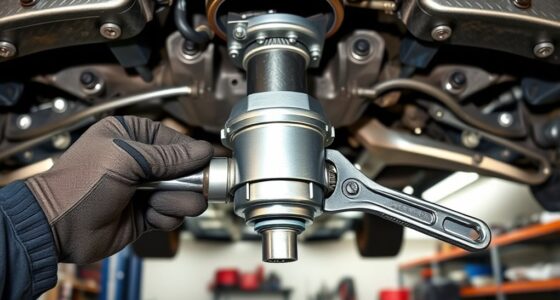
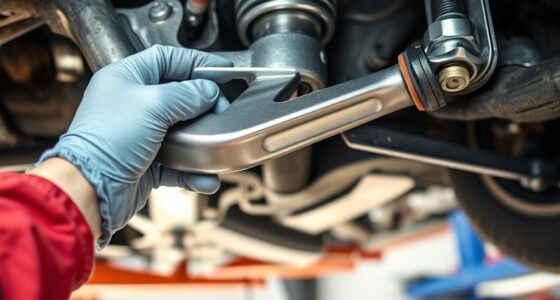
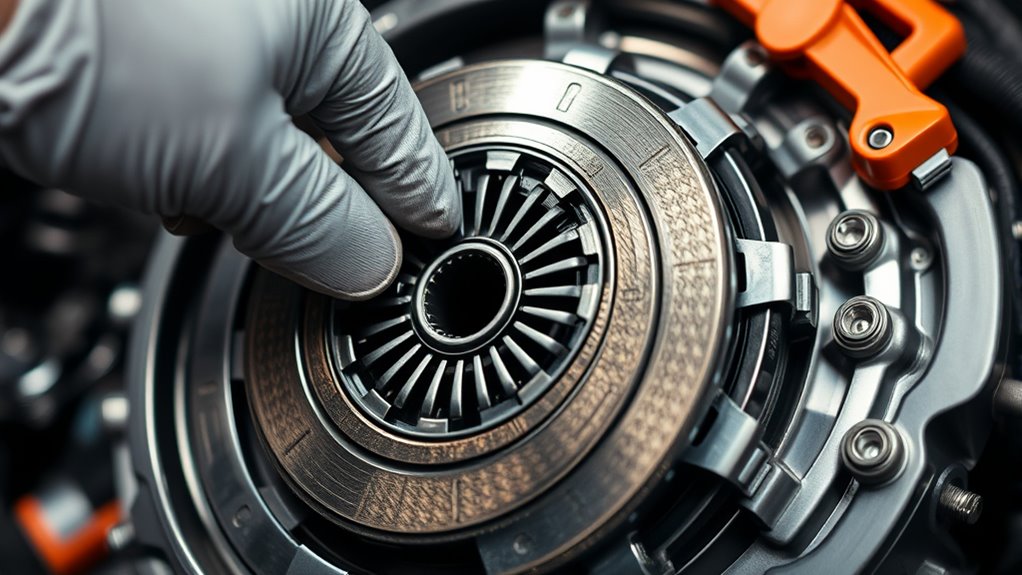
However, clutch adjustment isn’t a permanent fix if the clutch components are considerably worn. When signs of clutch wear become severe—such as persistent slipping or difficulty shifting—replacement is unavoidable. The process involves removing the transmission to access the clutch assembly, which includes the clutch disc, pressure plate, and release bearing. This is a complex task requiring mechanical expertise, so if you’re not experienced, it’s best to seek professional help. During the replacement, you’ll also inspect other related parts like the flywheel and release fork for damage or excessive wear.
In addition, proper clutch operation and maintenance can significantly extend the lifespan of your clutch, saving you money over time. After replacing the clutch, it’s essential to properly break it in by gradually increasing driving intensity over a few hundred miles. This helps ensure the new clutch wears evenly and performs reliably. Proper adjustment and timely replacement not only restore your vehicle’s smooth operation but also prevent further damage to the transmission or engine. Remember, staying attentive to signs of clutch wear and performing correct adjustment techniques can save you money and prevent roadside breakdowns. Ultimately, understanding these core aspects of clutch maintenance empowers you to keep your vehicle running smoothly and extend the lifespan of this critical component.
Frequently Asked Questions
How Do I Know if My Clutch Needs Replacement?
You’ll know your clutch needs replacement if you notice difficulty shifting gears, a slipping clutch, or a spongy pedal. Check if your clutch feels less responsive or if you have to press the pedal further down. Consider a clutch adjustment or checking your clutch fluid levels first—low fluid can cause similar issues. If these don’t improve performance, it’s time to replace your clutch to guarantee smooth driving.
What Are the Signs of a Slipping Clutch?
If your clutch pedal feels spongy, if you notice slipping symptoms like high engine revs without acceleration, or if your car struggles to engage gears, you’re experiencing signs of a slipping clutch. You might also hear grinding noises or notice a burning smell. These signals indicate your clutch isn’t gripping properly, so pay attention to these clues to catch the issue early and prevent further damage.
Can I Drive With a Worn Clutch?
You shouldn’t drive with a worn clutch because it can lead to further damage. When your clutch pedal feels soft or spongy, or if gear shifting becomes difficult or rough, these are signs your clutch is worn out. Continuing to drive in this condition can cause more extensive and costly repairs. It’s best to get your clutch inspected and replaced promptly to guarantee smooth gear shifting and safe driving.
How Long Does a Clutch Replacement Typically Take?
You might think clutch replacement takes hours, but it usually spans 4 to 8 hours, depending on your vehicle. Investigating this, proper clutch adjustment and a hydraulic fluid change can streamline the process. Skilled mechanics work efficiently, ensuring minimal downtime. If you prepare accordingly, you could even opt for a quick appointment. Remember, factors like parts availability and vehicle complexity influence the total time needed.
Is Clutch Replacement Covered Under Warranty?
Yes, clutch replacement is often covered under warranty if it’s due to manufacturing defects or normal wear and tear within the warranty period. You should check your vehicle’s warranty terms regarding clutch maintenance and repair costs. If your clutch fails prematurely, your warranty might cover the repair, saving you money. Keep in mind, however, that clutch repair costs caused by driver error typically aren’t covered.
Conclusion
Replacing your clutch is like renewing the heartbeat of your car, giving it new life and smoother rides ahead. As you carefully install each part, imagine the gears humming in harmony, ready to carry your journey forward. This simple act transforms your driving experience, turning a worn, slipping connection into a firm, confident grip. When you finish, you’ll feel the power of renewal, knowing you’ve restored your vehicle’s rhythm—ready to take on the road with renewed strength and purpose.