
TL;DR

Get business pricing on garage and car supplies
- Business-only prices and quantity discounts
- Tax-exempt purchasing
- Multiple users, one account, clear invoices
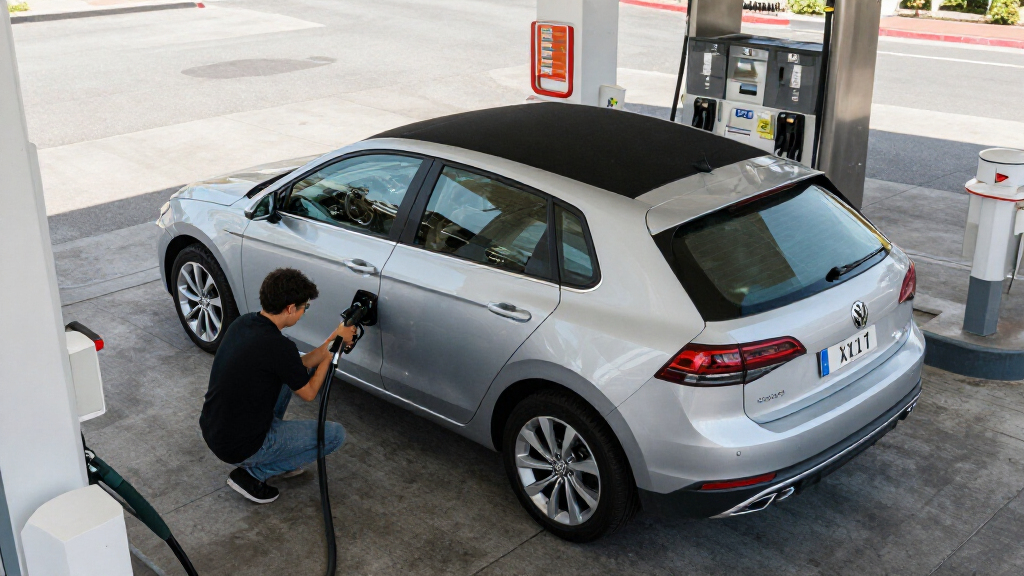
A 2016 Volkswagen XL1 plug-in hybrid is being auctioned in the Netherlands, with the auction house estimating its value at around $140,000. Volkswagen made about 250 XL1s; the model was rated at 261 mpg on Europe’s test cycle and could travel about 31 miles on electric power. It combines a diesel engine with a plug-in hybrid system.
A 2016 Volkswagen XL1, one of roughly 250 ultra-efficient plug-in hybrids built by Volkswagen, is up for auction in the Netherlands with an estimated value of about $140,000, according to InsideEVs and the auction house Catawiki. The car has just over 1,000 miles on its odometer. Its reported efficiency rating of 261 mpg on Europe’s test cycle reflects the XL1’s diesel plug-in hybrid powertrain.
The auction listing is for a 2016 model that Catawiki describes as being in excellent condition inside and out. The estimate is around $140,000; that is an auction estimate, not a confirmed sale price. The listing’s eventual result and whether a buyer will pay that amount were not available in the source report.
Volkswagen developed the XL1 as an effort to build a car using about one liter of fuel per 100 kilometers. Its two-seat body and chassis use carbon fiber, and the vehicle’s low weight and aerodynamic shape helped it achieve a reported EU-cycle consumption figure of 0.9 liters per 100 kilometers, equivalent to about 261 mpg. It can also travel a reported 31 miles on battery power alone.
The powertrain combines an 800cc, two-cylinder turbo-diesel engine with a plug-in hybrid system and a 5.5-kilowatt-hour battery. The source report gives the car’s output as 68 horsepower and says it takes almost 13 seconds to reach 60 mph. These specifications reflect the XL1’s focus on fuel efficiency and aerodynamic performance.
A Fuel-Saver With Collector Pricing
The listing shows the distinction between the XL1’s efficiency figures and its auction price. At an estimated $140,000, it is priced as a rare collector vehicle. The reported 261-mpg figure comes from a European test cycle, and the source does not provide real-world fuel-economy results for this specific car.
Fuel costs are one part of ownership. The XL1 is a limited-production diesel plug-in hybrid, and the source report notes that diesel prices have also risen. It does not provide maintenance costs, parts availability, insurance costs, or an estimate of how long fuel savings would take to offset the purchase price. The available information does not establish the vehicle’s total ownership cost.
The XL1 demonstrates an approach to improving vehicle efficiency, but its limited production and auction price distinguish it from vehicles aimed at most commuters. The report says a used electric vehicle could avoid gasoline purchases altogether, but it does not compare total ownership costs for specific vehicles.
Products Worth Considering

Autel MaxiCharger Level 2 EV Charger, 40A, 240V, with 25-Foot Cable and NEMA 14-50 Plug

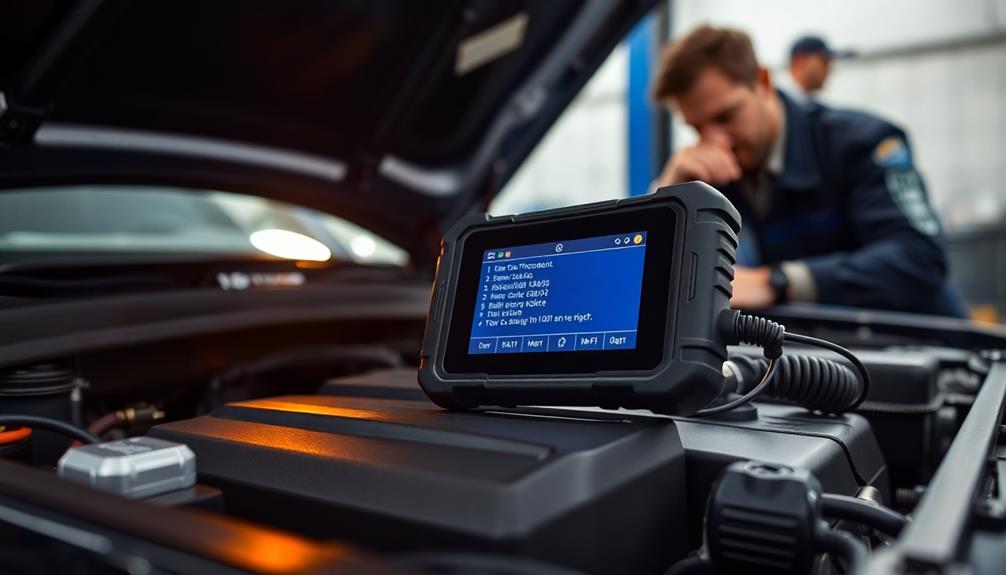
Autel MaxiCOM MK900BT Bidirectional Automotive Diagnostic Scanner

Chemical Guys 17-Piece Car Detailing Kit for Interior, Wheels, and Exterior
As an affiliate, we earn on qualifying purchases.
Volkswagen’s One-Liter Experiment
The XL1 was presented in 2013 after a development program that InsideEVs reports lasted 12 years. The project was associated with Ferdinand Piëch, Volkswagen’s chief executive at the time, and aimed to meet a target of using one liter of fuel for every 100 kilometers. Volkswagen ultimately produced about 250 examples, making the car scarce on the market.
The XL1’s design reflects that efficiency goal. Its carbon-fiber construction, two-seat layout and teardrop shape reduce weight and aerodynamic drag; the source report gives its drag coefficient as 0.189 and curb weight as 1,852 pounds. Volkswagen said at launch that the car needed about eight horsepower to maintain a steady 62 mph. These details describe the engineering choices behind the XL1’s reported fuel-economy figure.
The car’s plug-in system was added late in development, according to InsideEVs. The report says it came with a removable charging unit weighing about 50 pounds, stored in the trunk. The XL1 is therefore not simply a small diesel car: it is a limited-production hybrid experiment built around a particular efficiency target.
“The car needed about 8 horsepower to sustain a steady 62 mph.”
— Volkswagen, as quoted in the InsideEVs report
Auction Result and Ownership Costs
The source report does not state when the auction closes, whether the XL1 has attracted bids, or what price it ultimately sells for. The $140,000 figure is an estimate, and the car’s final market value remains unknown.
It is also unclear how the specific vehicle performs mechanically, what servicing it may need, or how readily parts and specialist support are available. Catawiki’s reported condition description does not replace a detailed inspection. The source does not provide real-world fuel consumption, current electric range for this example, or a total-cost comparison with other vehicles.
The Auction Sets the Next Price
The immediate next development is the close of the Catawiki auction and publication of its result. A final price would show whether a buyer is willing to meet or exceed the auction house’s estimate, though one sale would not establish a broad market value for the limited-production model.
Anyone considering a bid would need to review the listing, confirm the vehicle’s condition and documentation, and account for transport, servicing and ownership costs. Until the sale concludes, the reported estimate—not a confirmed transaction—is the clearest available indication of the car’s asking-market value.
Key Questions
How much is the Volkswagen XL1 in the auction expected to cost?
Catawiki’s estimated value, reported by InsideEVs, is about $140,000. That is an estimate; the final sale price has not been reported.
Is 261 mpg the XL1’s real-world fuel economy?
The reported 261 mpg figure is converted from 0.9 liters per 100 kilometers on a European test cycle. The source does not give real-world fuel-economy results for the auction car.
How far can the XL1 travel on electric power?
The source report gives an electric-only range of about 31 miles. It does not provide a fresh range test for the specific 2016 car in the auction.
How many Volkswagen XL1s were made?
Volkswagen built about 250 examples, according to the source report. Its limited production is part of the car’s appeal to collectors.
Does the XL1 make financial sense as a way to save on fuel?
That cannot be determined from the reported fuel-economy figure alone. The auction estimate is about $140,000, the car uses diesel, and the source provides no ownership-cost or payback calculation.
Source: insideevs.com