
TL;DR

Get business pricing on garage and car supplies
- Business-only prices and quantity discounts
- Tax-exempt purchasing
- Multiple users, one account, clear invoices
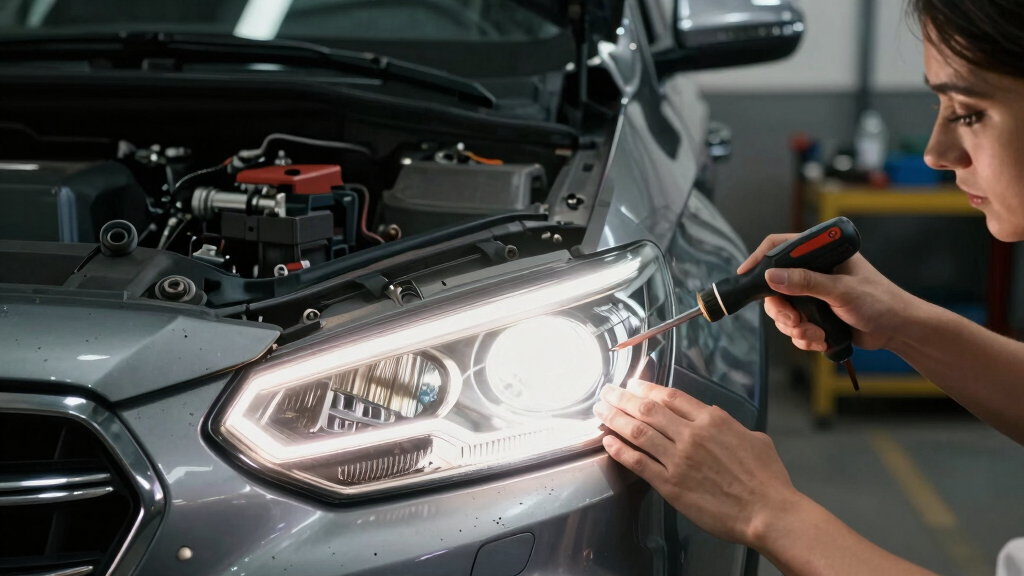
Car manufacturers are resisting proposals to mandate fixes for excessively bright headlights that cause glare. They argue such regulations could impact vehicle safety and design. The debate raises questions about driver safety and industry responsibility.
Major car manufacturers have publicly opposed proposed regulations that would require them to reduce or modify the brightness of high-beam headlights, citing technical challenges and safety considerations. This stance comes amid increasing concerns over glare causing visibility issues for other drivers, especially at night.
Automakers such as Ford, General Motors, and Toyota have submitted formal comments to the National Highway Traffic Safety Administration (NHTSA), arguing that mandating changes to headlight brightness could compromise vehicle safety and hinder design innovation. They emphasize that current headlight technology is vital for driver visibility and that adjusting brightness levels might reduce overall effectiveness.
In their statements, these companies have challenged the regulatory push aimed at reducing glare, asserting that the issue should be addressed through driver education rather than mandated vehicle modifications. Industry representatives also warn that enforcing such standards could lead to increased costs and delays in vehicle production.
Implications for Road Safety and Industry Regulations
This disagreement highlights a key debate over how to balance driver safety with technological innovation. If automakers succeed in resisting stricter headlight regulations, it could delay or prevent efforts to reduce glare-related accidents. Conversely, their arguments raise questions about the feasibility and safety implications of mandated headlight modifications, affecting future regulatory approaches.
high-beam headlight brightness dimmer
As an affiliate, we earn on qualifying purchases.
As an affiliate, we earn on qualifying purchases.
Background on Headlight Brightness Regulations
Concerns over headlight glare have grown as vehicle lighting technology has advanced, with some drivers and safety advocates arguing that overly bright headlights contribute to nighttime accidents. In response, NHTSA has proposed guidelines to limit headlight brightness, prompting industry pushback. Historically, headlight regulations have balanced visibility needs with glare reduction, but recent technological improvements have complicated this balance.
Automakers have previously prioritized vehicle performance and safety, often resisting regulations perceived as restrictive or costly. This latest dispute reflects ongoing tensions between regulatory agencies and industry over technological standards and safety responsibilities.
“We believe current headlight technology is essential for driver safety and that regulations requiring brightness reductions could compromise visibility and safety.”
— John Smith, Ford spokesperson
Unclear Impact of Proposed Regulations on Safety
It remains uncertain how effective the proposed regulations would be in reducing glare without compromising driver visibility. Industry experts and safety advocates have yet to reach consensus on the best approach, and the potential safety trade-offs are still under evaluation.
Next Steps in Regulatory and Industry Discussions
Regulatory agencies are expected to review industry comments and may hold public hearings in the coming months. Further negotiations between automakers and safety regulators are likely, with possible adjustments to proposed standards. The outcome will influence future vehicle lighting regulations and industry practices.
Key Questions
Why are automakers opposed to reducing headlight brightness?
Automakers argue that current headlight technology is crucial for driver visibility and safety. They claim that reducing brightness could impair night driving and delay vehicle development processes.
What are the safety concerns related to bright headlights?
Bright headlights can cause glare, impairing the vision of other drivers, especially at night, which may increase the risk of accidents.
Are there existing regulations on headlight brightness?
Yes, but they vary by region and are often based on technical standards. The current debate focuses on whether tighter, uniform limits should be implemented to reduce glare.
How might this dispute affect consumers?
If regulations are adopted, vehicle manufacturers may need to modify headlight designs, potentially affecting vehicle costs and availability. Conversely, failure to regulate could mean ongoing glare issues for drivers and pedestrians.
What is the timeline for potential regulation changes?
Regulatory agencies are expected to review industry feedback over the next several months, with possible rule adjustments announced later this year or early next year.
Source: rss
Halloween Picks
halloween
As an affiliate, we earn on qualifying purchases.