If your vehicle is recalled due to safety issues, you have the right to clear information about the defect and free repairs or replacements from the manufacturer. You can stay updated through official notices and online databases, ensuring your safety. If repairs take longer or you face problems, you have rights to assistance or compensation. To protect yourself and stay informed about your options, keep exploring your rights and the recall process further.
Key Takeaways
- Owners have the right to receive clear, timely notifications about safety defects and recall actions.
- Vehicle owners can request updates and access repair timelines through official channels.
- Manufacturers are obligated to provide free repairs or replacements for recalled safety components.
- Owners can seek legal remedies or compensation if defects cause damage or accidents.
- Staying informed through registration and online databases helps owners ensure their vehicles are properly recalled and repaired.
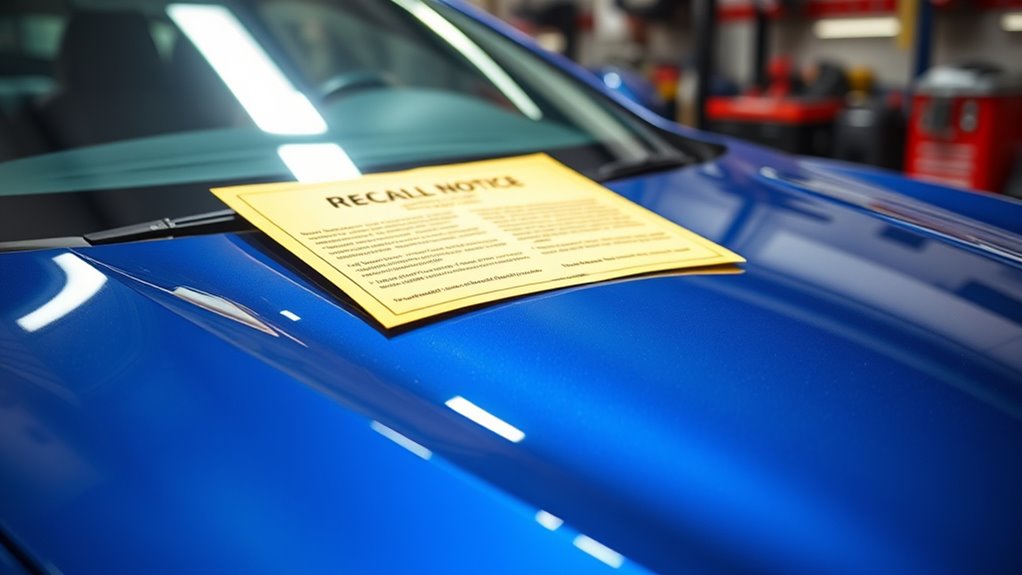
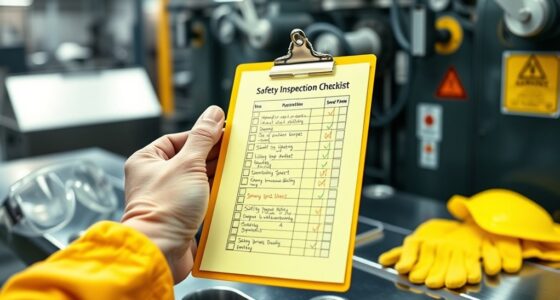
Have you ever wondered what happens when a vehicle manufacturer discovers a safety defect? It’s a process that involves careful steps to protect you and guarantee your vehicle’s safety. When a defect is identified, the manufacturer typically conducts a thorough safety inspection to confirm the issue and determine its scope. This inspection helps decide whether a recall is necessary, which is a formal process designed to fix safety problems in vehicles already on the road. The recall process starts with the manufacturer issuing a notice to vehicle owners, dealerships, and relevant authorities. This notice explains the defect, potential risks, and the steps to address the issue. As an owner, you’ll receive this information directly from the manufacturer or through official channels, such as government agencies like the National Highway Traffic Safety Administration (NHTSA). The goal is to keep you informed and enable you to take action quickly.
Once a recall is announced, the manufacturer typically offers free repairs, replacements, or repairs, depending on the nature of the defect. You’re entitled to these services at no cost, and the process is designed to be straightforward. Usually, you’ll schedule an appointment with an authorized dealership, which will perform the necessary safety inspection and repairs. During this visit, the technician will confirm that the defect has been fixed according to the manufacturer’s instructions, assuring your vehicle is safe to drive again. It’s important to follow through with these repairs promptly because ignoring a recall can put you and others at risk, especially if the defect involves critical safety components like brakes, airbags, or steering systems. Additionally, understanding the recall process can help you better advocate for your rights and ensure timely safety updates.
As an owner, you also have rights during this process. You’re entitled to clear information about the defect, the steps being taken to fix it, and the expected timeline. If your vehicle is recalled, you can request updates from the manufacturer or dealership if the repair takes longer than expected. Additionally, if the defect causes damage or results in an accident, you may be eligible for compensation or legal remedies. Familiarizing yourself with the recall process helps you understand your rights and assures you don’t miss vital safety updates. It’s wise to register your vehicle with the manufacturer or check online databases regularly for recall notices. This way, you stay informed and can act swiftly if a safety defect is identified. Ultimately, the safety inspection and recall process are there to protect you, making sure that your vehicle remains safe and reliable on the road.
Frequently Asked Questions
How Do I Verify if My Vehicle Has Been Recalled?
To verify if your vehicle has been recalled, start by checking for a recall notification from your manufacturer or dealer. You can also visit the National Highway Traffic Safety Administration (NHTSA) website and enter your vehicle’s VIN for the most accurate info. This helps guarantee your vehicle’s safety by confirming if any recalls need your attention, so you can get repairs done promptly and stay protected.
What Should I Do if My Recall Repair Is Refused?
When your recall repair hits a wall of denial, don’t give up. You can challenge the recall denial by contacting the manufacturer or filing a complaint with the NHTSA, turning the situation around like a lighthouse guiding you through stormy seas. Consider exploring alternative solutions, such as seeking a second opinion from an independent mechanic or consulting consumer protection agencies to guarantee your rights stay afloat.
Are Rental Cars Provided During Recall Repairs?
During recall repairs, rental cars are often provided by the manufacturer or dealer, especially if the repair takes multiple days or is mandated for safety reasons. You should check with your dealership or manufacturer to see if a rental car is included as part of the recall repair process. This helps guarantee you can continue your daily activities without inconvenience while your vehicle is being serviced.
Can I Sell My Vehicle During a Recall?
You can sell your vehicle during a recall, but it’s a coincidence you should be aware of. The recall process doesn’t automatically transfer ownership rights or complicate your sale. However, potential buyers might hesitate if the recall isn’t addressed. It’s wise to disclose the recall and ensure repairs are scheduled or completed. Staying informed about your ownership rights helps you navigate the sale smoothly and avoid surprises.
How Long Do Recall Repairs Typically Take?
Recall repairs usually take a few hours to a few days, depending on the complexity of the issue and the repair process. The repair timelines are often communicated by your manufacturer or dealership once they assess the problem. You should expect the recall process to be scheduled promptly, but it’s smart to check with your dealership for specific details about your vehicle’s recall repair time. Be patient; safety comes first.
Conclusion
Remember, your vehicle is more than just metal and gears—it’s a symbol of your independence and safety. When recalls happen, they’re like a wake-up call, reminding you to protect that freedom. By staying informed and acting promptly, you hold the key to steering your journey safely. Don’t let a recall be a closed door; see it as an open window for renewal. Your rights empower you to keep moving forward, confidently and securely.