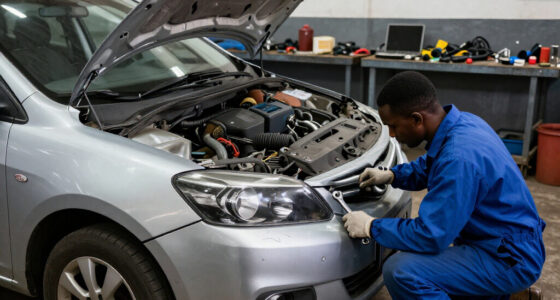
To loosen seized fasteners, start by applying a penetrating oil like WD-40 or PB Blaster and let it soak for several minutes. Then, carefully heat the fastener with a small torch or heat gun to expand the metal and weaken corrosion bonds. Using heat followed by penetrants can markedly improve your chances of loosening the fastener without damage. Want to learn more about these techniques and tips? Keep exploring for expert advice.

Get business pricing on garage and car supplies
- Business-only prices and quantity discounts
- Tax-exempt purchasing
- Multiple users, one account, clear invoices
Key Takeaways
- Apply penetrants like WD-40 or PB Blaster to seep into threads and loosen corrosion before heating.
- Use controlled heat from a small torch or heat gun to expand the fastener metal and weaken rust bonds.
- Combine heating with penetrant application for a synergistic effect to improve fastener removal.
- Allow penetrants to sit for several minutes after heating to maximize effectiveness.
- Avoid excessive heat to prevent damage or warping of the fastener during the process.
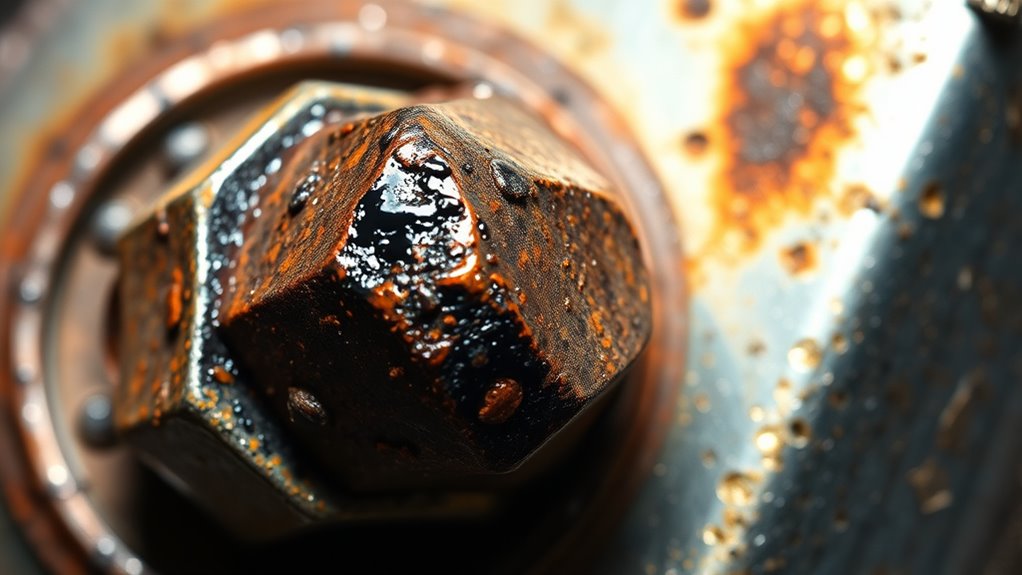
When fasteners become seized, applying the right combination of heat and penetrants can make all the difference in loosening stubborn connections. Seized fasteners often result from corrosion buildup or rust, which can fuse threads together tightly. To effectively free these fasteners, you need a strategic approach that targets the root cause—corrosion—and employs proper thread repair techniques if damage occurs. Using penetrants like WD-40 or PB Blaster is a good starting point; they seep into the threads and break down corrosion, making the fastener easier to turn. However, sometimes penetrants alone aren’t enough, and that’s where heat comes into play. Carefully applying heat to the fastener expands the metal, weakening the bond caused by corrosion and making it more receptive to the penetrant.
When you apply heat, it’s essential to control the temperature to avoid damaging surrounding materials. A heat gun or small torch can be effective tools, but always aim for a gentle, even heat rather than excessive temperatures that could warp or weaken the fastener. Once heated, allow the penetrant to work for a few minutes, giving it time to penetrate deep into the threads. This combination of heat and penetrant creates a synergistic effect, facilitating easier loosening without aggressive force that might strip or break the bolt. Additionally, understanding the thermal runaway process in batteries helps in knowing how heat impacts materials and safety precautions during operations involving heated fasteners.
If the threads are damaged or stripped during removal, you’ll need to perform thread repair techniques. This might involve using a tap and die set to clean or re-cut the threads, restoring proper engagement. Proper thread repair not only helps in reassembling the fastener securely but also prevents future issues related to corrosion or wear. To prevent corrosion and keep fasteners in good shape, consider applying corrosion prevention measures during reassembly—like anti-seize compounds or lubricants—especially in environments prone to moisture. These practices reduce the likelihood of future seizure, saving you time and effort down the line.
As an affiliate, we earn on qualifying purchases.
Frequently Asked Questions
Can Heat Damage the Surrounding Materials or Components?
Yes, applying heat can damage surrounding materials or components. When you heat a fastener, thermal expansion can cause nearby parts to expand unevenly, potentially leading to warping or cracking. Additionally, if the material has low heat conductivity, it won’t evenly dissipate heat, increasing the risk of localized damage. Be cautious with heat application to avoid harming adjacent components, especially sensitive electronics or plastics.
What Safety Precautions Should Be Taken When Using Heat?
You should always wear proper safety gear, like gloves and eye protection, when using heat to prevent burns or injuries. Keep a fire extinguisher nearby, and work in a well-ventilated area to avoid inhaling fumes. Be mindful of thermal expansion, which can cause sudden movement or damage. Avoid overheating the fastener or surrounding components, and use controlled heat sources to make certain of safety for yourself and the equipment.
Are There Alternative Methods for Removing Seized Fasteners?
When you’re in a jam, there are options besides heat for removing seized fasteners. You can try lubrication techniques like penetrating oils to loosen rust and corrosion. Mechanical extraction methods, such as using pliers, extractors, or a slide hammer, can also do the trick. Sometimes, it’s best to think outside the box—patience and proper tools often save the day more than brute force.
How Long Should Heat Be Applied to Avoid Damage?
You should apply heat for about 30 to 60 seconds, focusing on the fastener to allow thermal expansion without causing damage. Keep the heat application duration controlled, as excessive heating risks warping or weakening surrounding materials. Use a heat source like a heat gun or torch carefully, ensuring even distribution. Monitoring the fastener’s temperature helps prevent overheating, maintaining the integrity of the fastener and surrounding components.
What Types of Penetrants Are Most Effective for Different Metals?
Did you know that some penetrants are over 80% more effective on certain metals? When choosing penetrants, focus on compatibility and metal-specific effectiveness. For example, penetrating oils like WD-40 work well on steel, while specialized products like penetrant gels suit aluminum and softer metals. Always check the manufacturer’s recommendations for compatibility, ensuring you select the right product to maximize effectiveness and avoid damaging your fasteners.
Conclusion
When faced with seized fasteners, remember that heat and penetrants are your trusted allies. They work together like a finely tuned orchestra, breaking down rust and corrosion to free stubborn bolts. With patience and proper technique, you’ll turn frustration into success. So, approach each challenge with confidence, knowing that these tools are your secret weapons. After all, isn’t it satisfying to conquer what once seemed impossible?
Halloween Picks
halloween
As an affiliate, we earn on qualifying purchases.