
TL;DR

Get business pricing on garage and car supplies
- Business-only prices and quantity discounts
- Tax-exempt purchasing
- Multiple users, one account, clear invoices
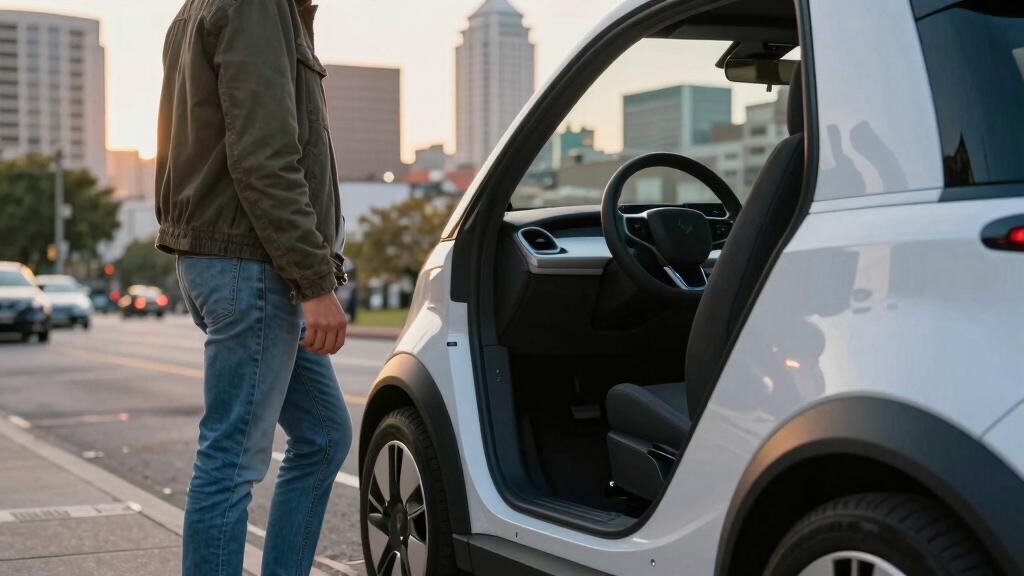
Tesla has launched testing of a steering-wheel-free version of its Cybercab in Austin. The development marks a significant step in autonomous vehicle technology, but its capabilities and safety remain unconfirmed. The move could impact the future of driverless taxis.
Tesla has begun testing a steering-wheel-free version of its autonomous taxi, dubbed the Cybercab, on streets in Austin, Texas. This marks a significant step in Tesla’s push into fully driverless ride-hailing services, raising questions about its ability to match or surpass competitors like Waymo.
Tesla’s Cybercab, equipped with autonomous driving hardware and software, was seen operating without a steering wheel or driver in Austin, confirmed by multiple sightings and reports from local observers. The company has not officially announced the launch but has been conducting tests in the city as part of its broader autonomous vehicle development efforts. Experts note that this marks a notable shift toward fully driverless taxis, a goal Tesla has publicly pursued but has yet to realize at scale. Tesla has not disclosed specific timelines for commercial deployment or safety measures, and it remains unclear how the vehicle’s system manages complex urban environments without human oversight.Meanwhile, industry rivals like Waymo and Cruise have been operating driverless taxis with safety drivers onboard, and Waymo has begun limited public testing of fully autonomous services in select cities. Tesla’s move to test a steering-wheel-free vehicle suggests it aims to leapfrog competitors by offering a completely autonomous, driverless experience, but technical and regulatory hurdles remain significant.
Implications for Autonomous Taxi Development
This development could accelerate Tesla’s ambitions to deploy fully driverless taxis at scale, potentially disrupting the autonomous ride-hailing industry. If successful, Tesla’s steering-wheel-free Cybercab could reduce costs and increase efficiency. However, safety, regulatory approval, and public acceptance are still major hurdles. The move also intensifies competition with established players like Waymo, which has already begun limited commercial operations with safety drivers onboard. The testing in Austin signals Tesla’s confidence in its autonomous technology, but the absence of official confirmation or safety data leaves many questions about readiness and safety standards.As an affiliate, we earn on qualifying purchases.
Tesla’s Autonomous Vehicle Testing Timeline in Austin
Tesla has been developing autonomous driving features for several years, primarily focusing on its Autopilot and Full Self-Driving (FSD) systems. While the company has rolled out driver-assist features to consumers, fully driverless taxis without steering wheels or safety drivers are still in testing phases. In Austin, Tesla has previously tested semi-autonomous vehicles, but the recent sightings of a steering-wheel-free vehicle mark a new milestone. Industry leaders like Waymo and Cruise have already launched limited autonomous taxi services with safety drivers present, but Tesla’s approach appears to aim for a fully driverless experience. The company’s testing in Austin aligns with its broader goal of commercializing autonomous ride-hailing services, but regulatory approval and safety validation are still pending.
Unconfirmed Safety and Regulatory Status of Tesla’s Cybercab
It is not yet clear whether Tesla’s steering-wheel-free vehicle has passed safety tests or received regulatory approval for public operation. Details about the vehicle’s safety systems, accident prevention measures, and compliance with local transportation laws remain undisclosed. Regulatory agencies such as the NHTSA have not issued specific approvals for fully driverless taxis without safety drivers, and Tesla has not announced plans for commercial deployment or safety certification.
Next Steps for Tesla’s Autonomous Taxi Testing
Tesla is expected to continue testing its steering-wheel-free Cybercab in Austin and potentially expand to other cities. The company may also release more information about safety protocols and timelines for commercial rollout. Regulatory agencies could begin reviewing Tesla’s technology for safety approval, but formal approvals are not yet announced. Observers will watch for further public disclosures from Tesla and any updates on safety testing results or regulatory clearances.
Key Questions
When did Tesla start testing the steering-wheel-free Cybercab?
Testing was first observed in early April 2024, with sightings of the vehicle operating without a steering wheel in Austin.
How does Tesla’s autonomous vehicle compare to Waymo’s?
While Waymo has begun limited commercial services with safety drivers onboard, Tesla’s current testing involves fully driverless vehicles without safety drivers, aiming for a different level of autonomy.
Has Tesla announced a timeline for commercial deployment?
No, Tesla has not provided an official timeline. The testing phase is ongoing, and regulatory approval is still pending.
What safety measures are in place for Tesla’s driverless vehicles?
Details about safety measures remain undisclosed. It is unclear how Tesla’s vehicles handle complex urban environments without human oversight.
Could Tesla’s steering-wheel-free vehicle operate outside Austin?
There are no current announcements about expansion beyond Austin. Future testing or deployment depends on safety results and regulatory approval.
Source: rss
Evergreen bestsellers Picks
bestsellers
As an affiliate, we earn on qualifying purchases.