TL;DR

Get business pricing on garage and car supplies
- Business-only prices and quantity discounts
- Tax-exempt purchasing
- Multiple users, one account, clear invoices
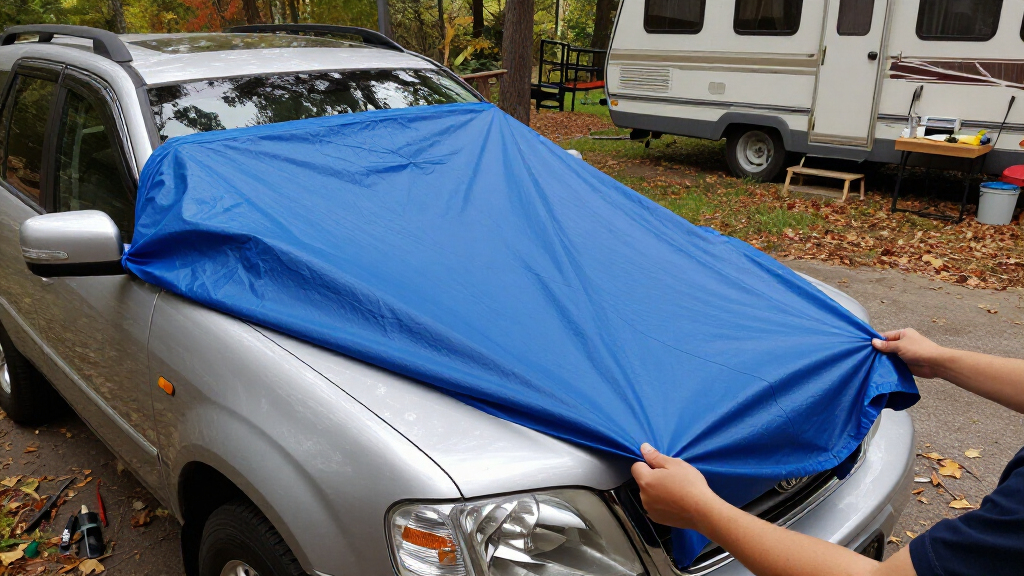
Campers in certain regions are wrapping their cars in tarps to prevent marmots, attracted by antifreeze, from damaging vehicles. This trend is gaining attention but its causes remain unconfirmed.
Campers in specific outdoor areas are wrapping their vehicles in tarps to prevent damage from marmots that are attracted to antifreeze, according to recent trend reports. This unusual behavior has prompted a surge in tarp-wrapping among outdoor enthusiasts, though the exact cause of the marmots’ antifreeze attraction remains unclear. The trend highlights new challenges faced by campers and outdoor visitors in affected regions.
Multiple reports from outdoor communities indicate that marmots are increasingly drawn to vehicles, specifically targeting antifreeze containers stored in or around parked cars. Campers have responded by covering their vehicles with tarps, a practice that appears to be spreading in areas known for marmot activity. While the behavior of these marmots is unusual, experts have not yet confirmed why they are attracted to antifreeze. Some speculate that the scent or chemical composition of antifreeze might mimic natural food sources or be appealing to the marmots’ dietary preferences.
Authorities and wildlife experts are monitoring the situation, but no official studies have yet confirmed the cause of this behavior. The trend has led to increased vehicle damage reports, with some campers noting that marmots have chewed on hoses, wires, and antifreeze containers, risking both vehicle safety and the health of the animals. The use of tarps seems to be an effective, immediate measure for campers trying to protect their property, but the long-term solution remains uncertain.
Implications for Camper Safety and Wildlife Interactions
This trend underscores a potential shift in wildlife behavior that could pose risks to both animals and humans. Marmots attracted to antifreeze may suffer poisoning if they ingest toxic chemicals, raising concerns about animal welfare. For campers, vehicle damage and safety risks increase as marmots chew on essential vehicle parts or leak antifreeze, which is hazardous. The trend also signals a need for better education on safe storage of automotive chemicals in outdoor areas and highlights the importance of understanding wildlife adaptations to human activity.
As an affiliate, we earn on qualifying purchases.
Unusual Marmot Behavior and Outdoor Camping Trends
Over recent weeks, reports from outdoor recreation areas indicate a spike in marmots targeting vehicles, specifically antifreeze containers. Historically, marmots have been known to scavenge for food or shelter, but this specific attraction to antifreeze is a new development. The behavior appears to be localized to certain regions with high marmot populations and frequent camping activity. Experts suggest that environmental changes or chemical cues could be influencing this behavior, but definitive scientific explanations are lacking. The trend has coincided with increased outdoor camping during warmer months, though no official link has been established.
Unconfirmed Causes of Marmots’ Attraction to Antifreeze
It is not yet confirmed why marmots are attracted to antifreeze. Experts have speculated about scent mimicry or chemical attraction, but no scientific studies have validated these claims. The exact environmental or biological triggers remain unknown, and further research is needed to understand the behavior fully.
Monitoring and Research on Marmot Behavior and Safety Measures
Authorities and wildlife researchers are expected to investigate the marmots’ behavior more closely in the coming weeks. Meanwhile, campers and outdoor visitors are advised to store antifreeze and automotive chemicals securely and to use protective coverings like tarps. Future updates may include scientific studies clarifying the cause of this attraction and recommendations for preventing damage and animal harm.
Key Questions
Why are marmots attracted to antifreeze?
It is currently unconfirmed. Experts speculate that scent cues or chemical composition may attract marmots, but no definitive explanation exists yet.
How are campers protecting their vehicles?
Many campers are wrapping their cars in tarps to prevent marmots from chewing on hoses, wires, or leaking antifreeze containers.
Is antifreeze dangerous for the marmots?
Yes. Antifreeze contains chemicals that are toxic to animals if ingested, and marmots could suffer poisoning if they consume it.
What should outdoor visitors do to stay safe?
Store antifreeze and chemicals securely, and consider using protective coverings on vehicles to prevent damage and animal exposure.
Will scientists find out why marmots are attracted to antifreeze?
Research is ongoing, but it is not yet clear what specific factors are causing this behavior. Further studies are expected.
Source: rss
Halloween Picks
halloween
As an affiliate, we earn on qualifying purchases.