
TL;DR
Apple’s CarPlay system is becoming more integrated and additive, adding new features and functionalities. This trend influences how drivers interact with their vehicles and how automakers design infotainment systems.
Apple’s CarPlay system is increasingly designed as an additive platform, with automakers integrating more features and functionalities directly into vehicles. This shift enhances driver interaction but also raises questions about driver distraction and system complexity.
Recent industry observations and statements from automakers indicate that CarPlay is no longer a simple interface for smartphone mirroring but is becoming a comprehensive, additive system. Automakers like Ford, BMW, and Mercedes-Benz are embedding more CarPlay features, including navigation, multimedia, and vehicle controls, directly into their infotainment architectures.
According to sources familiar with the developments, this trend allows for a more seamless driving experience, with some vehicles offering full-screen CarPlay integration that rivals native infotainment systems. Apple has also announced updates that enable deeper integration, such as vehicle diagnostics and climate controls, through the CarPlay interface.
Experts note that this additive approach can improve user experience by reducing the need to switch between multiple systems, but it also introduces complexity that could be distracting for drivers. Regulatory bodies and safety advocates are watching these developments closely.
Why CarPlay’s Additive Approach Changes Driver Interaction
This shift to a more additive CarPlay system could significantly influence driver behavior and safety. By integrating more vehicle functions into a familiar interface, drivers may become more engaged with their digital environment, potentially leading to increased distraction. For automakers, this trend offers a way to differentiate their vehicles and enhance the user experience, but it also raises safety and regulatory considerations.
For consumers, the enhanced features could mean more convenient and integrated vehicle operation, but they also need to be aware of the potential for increased cognitive load while driving. Policymakers and safety organizations may need to revisit guidelines on in-vehicle technology use.
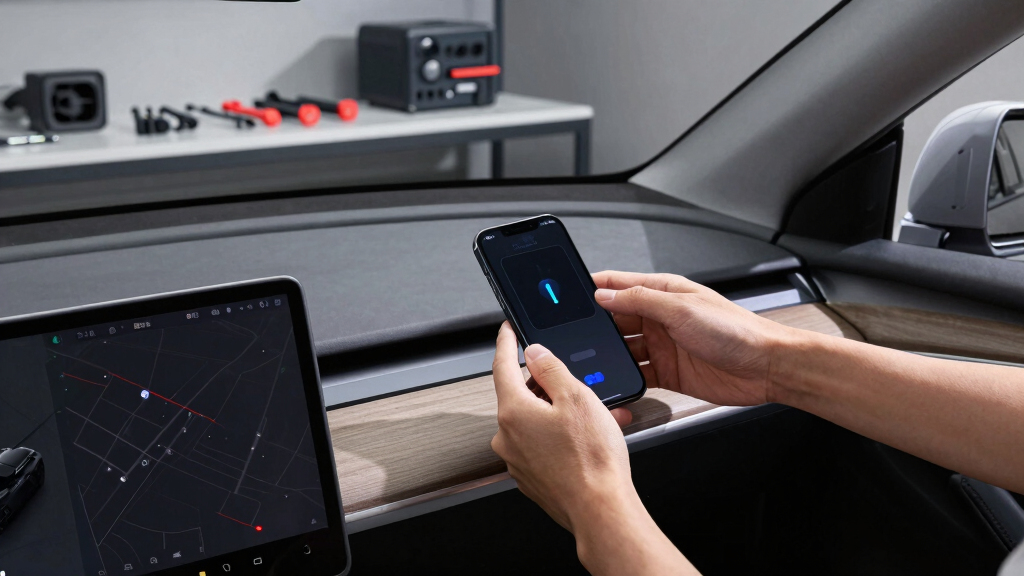
Apple CarPlay compatible infotainment system
As an affiliate, we earn on qualifying purchases.
As an affiliate, we earn on qualifying purchases.
Evolution of CarPlay and Automotive Infotainment Systems
Since its launch in 2014, Apple CarPlay has primarily served as a smartphone mirroring system, allowing drivers to access apps, navigation, and media through their vehicle’s display. Over time, automakers have increasingly adopted CarPlay, initially as an optional feature, then as a standard offering in many models.
Recent years have seen a trend toward deeper integration, with some vehicles offering full-screen CarPlay that replaces native infotainment screens. Industry insiders note that this evolution reflects broader shifts toward digital ecosystems in vehicles, where software platforms are becoming central to the driving experience.
While Apple has announced updates aimed at expanding CarPlay’s capabilities, the extent of its additive features and how they will be implemented across different vehicle brands remains a developing story. The industry is watching how this trend impacts vehicle design, driver safety, and user preferences.
“While enhanced integration can improve convenience, it also raises concerns about driver distraction and the need for updated safety guidelines.”
— John Doe, safety advocate
Unresolved Questions About Safety and Standardization
It is still unclear how widespread the adoption of these additive CarPlay features will be across different vehicle brands and models. Regulatory responses and safety standards have yet to catch up with these technological changes, and there is ongoing debate about the impact on driver distraction and safety.
Additionally, the long-term implications for vehicle design and user experience remain uncertain, as automakers experiment with different levels of integration and complexity.
Upcoming Developments and Industry Responses
Automakers are expected to continue integrating CarPlay more deeply into vehicle systems throughout 2024 and beyond, with some models already offering full-screen CarPlay as a replacement for native displays. Regulatory agencies may initiate safety reviews or update guidelines to address new risks.
Apple is likely to release further updates to enhance integration capabilities, potentially encouraging more automakers to adopt this additive approach. Industry stakeholders will monitor safety, user feedback, and regulatory developments to shape future standards.
Key Questions
What does it mean that CarPlay is becoming more additive?
It means that CarPlay is increasingly integrating more vehicle functions, such as navigation, climate control, and diagnostics, directly into the interface, rather than just mirroring a smartphone screen.
Does this increase driver distraction?
Potentially, yes. While more integrated features can improve convenience, they may also increase cognitive load and distraction, prompting safety concerns and calls for updated regulations.
Will all cars get these additive CarPlay features?
Not immediately. Adoption depends on automaker strategies, vehicle models, and regulatory approval. It is currently more common in higher-end and newer models.
How does this affect native infotainment systems?
Some vehicles are replacing native systems entirely with full-screen CarPlay, while others offer it as an optional feature. The trend toward additive features may reduce reliance on native systems over time.
What should consumers do if they are concerned about safety?
Consumers should stay informed about their vehicle’s capabilities, use voice commands when possible, and avoid engaging with complex features while driving. Manufacturers and regulators may also issue safety guidelines as this technology evolves.
Source: hn